I promised to sensitize you until you know every dark side of everything concerning construction in our beloved country, Kenya. So here is another one. Nairobi’s skyline keeps rising. Cranes dot the horizon. But for every gleaming apartment block or boutique office going up, there’s a reality many developers prefer not to talk about: much of this growth brushes right up against informal settlements.
That proximity isn’t just a line on a survey map—it’s a complex social, logistical, and even ethical landscape. And if you’re not navigating it with care, your project can stall, budgets can bloat, and relationships with neighbors can sour before foundation beams even hit the ground.
Most contractors treat this as a “soft” issue—something for community liaison officers to handle later. But at Lanny Builders Limited, we’ve learned the hard way that the real blueprint starts long before concrete is poured. It includes unwritten rules, cultural rhythms, and quiet negotiations that never appear in your architectural drawings—but absolutely shape your timeline, your reputation, and your bottom line.
Here are seven realities we’ve come to respect on the ground:
1. Land boundaries aren’t always where the title says they are
In high-density areas bordering informal settlements, physical occupation often predates formal documentation. Even with a clean title deed, you might find long-term occupants who believe they have legitimate claims—sometimes going back decades. Rushing fencing or site clearing without respectful engagement can ignite tensions that delay work for months.
We start with on-the-ground verification, not just legal paperwork. That means walking the plot with local elders, verifying historical use, and mapping informal pathways that communities rely on—even if they’re not on any official plan.

2. Construction noise isn’t just “part of the job” after 6 PM
In many informal neighborhoods, daily life spills into shared courtyards, alleys, and rooftops. What feels like routine drilling to a site engineer might be drowning out a child’s online class or a family’s evening prayer.
We adjust our schedules based on the rhythm of the neighborhood, not just the project Gantt chart. That might mean quieter tasks in the early evening or rescheduling heavy machinery during community events or exams. It’s not about slowing down—it’s about building goodwill that prevents work stoppages later.
3. Dust control is a social contract
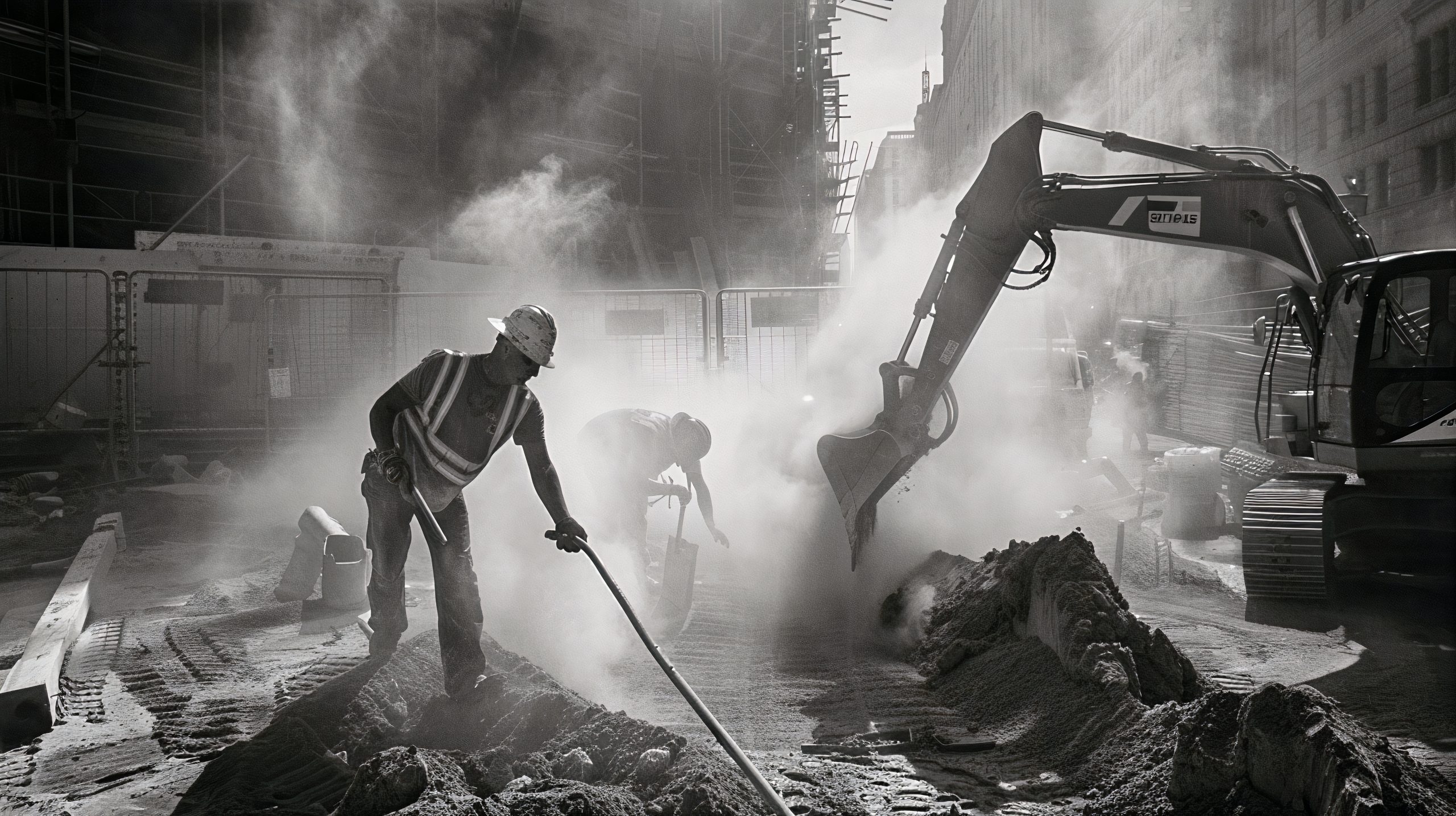
Cement dust, soil erosion, and construction debris don’t respect property lines. When your site borders homes made of corrugated iron and mud bricks, even minor runoff can damage roofs, contaminate water tanks, or trigger respiratory issues.
We treat dust and debris containment as part of structural integrity—not an afterthought. Think silt fences, covered trucks, on-site water sprays, and daily clean-up routines that respect adjacent living spaces. It costs a bit more upfront, but it prevents disputes that cost far more down the line.
4. Security isn’t just about guarding your materials—it’s about trust
Yes, site security matters. But in tight-knit informal communities, bringing in armed guards or high fences can signal distrust. That friction can lead to subtle sabotage—delayed access, withheld information, or even misinformation about your project.
Instead, we integrate local labor wherever possible and invest in transparent communication. When neighbors see jobs being created and respect being shown, they become your eyes and ears—not your obstacles.
5. Utility corridors often run through “unofficial” routes
Power lines, water pipes, and drainage channels in these areas rarely follow municipal plans. They evolve organically over years, sometimes running through backyards or under makeshift walkways.
Before breaking ground, we do community-led utility mapping—talking to residents who’ve lived there for generations. Their knowledge has saved us from cutting live cables or blocking critical drainage during rainy season.
6. Your design might unintentionally block airflow or light
In dense neighborhoods, even a small addition can cast shadows over someone’s only window or disrupt natural ventilation in adjacent homes. These aren’t just inconveniences—they’re serious quality-of-life issues.
We use shadow studies and wind modeling during design review, not just for aesthetics but for neighbor impact. Small adjustments—like angling a balcony or using perforated screens—can preserve dignity and daylight for everyone.
7. Leaving a positive legacy matters more than a fast handover
The project ends for you when keys are handed over. But for the community, your building remains—a permanent fixture in their daily reality. How you built it lingers in memory far longer than the structure itself.
We believe great construction doesn’t just meet code—it earns respect. That means clean exit protocols, restoring shared pathways, and sometimes even supporting small infrastructure upgrades (like better street lighting or drainage) as a goodwill gesture.

Final Thought
Building next to informal settlements isn’t a risk to avoid—it’s an opportunity to demonstrate true professionalism. Anyone can pour concrete. But only builders with deep local insight, patience, and integrity can navigate these complexities while delivering on time, on spec, and with the community’s trust intact.
Lanny Builders Limited, we don’t see boundaries—we see relationships. And in Nairobi’s ever-evolving urban fabric, that’s the real foundation of lasting success.
Ready to build with intelligence, integrity, and impact?
Lanny Builders Limited brings years of on-the-ground experience to every project—especially where others see only complications.
Contact us to discuss how we can bring thoughtful, community-aware construction to your next development.