While residential developers pause and office projects wait for the election to pass, one corner of Kenya’s construction sector is quietly accelerating.
Special Economic Zones (SEZs) are emerging as a bright spot in an otherwise consolidating market. These designated areas, with their investor incentives, streamlined regulations, and dedicated infrastructure, are attracting a different kind of capital. Institutional. Patient. Long-term.
For builders, this means work that is less speculative and more predictable. The projects are large, the clients are serious, and the timelines, while extended, are generally respected.
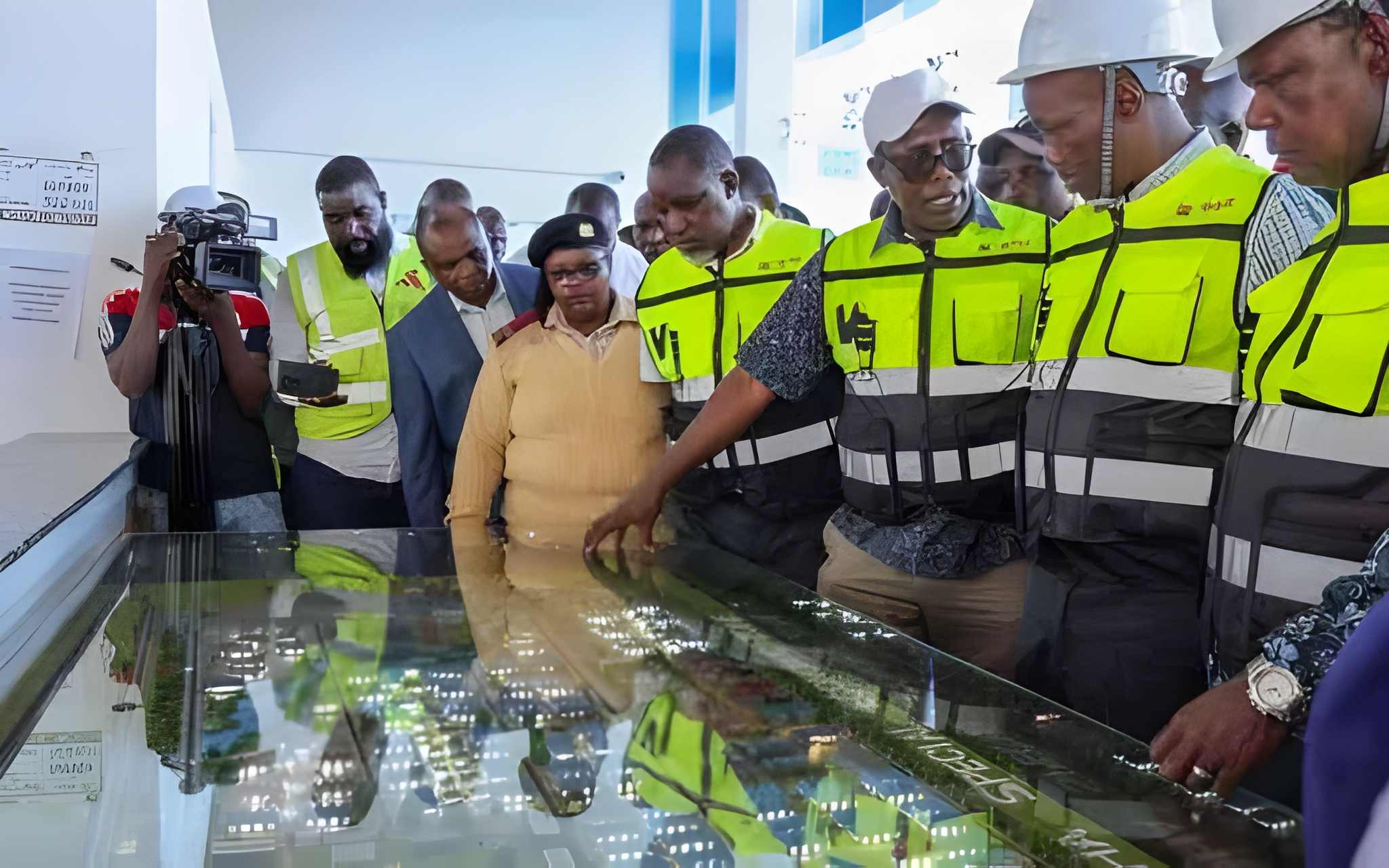
What SEZs Actually Are
A Special Economic Zone is a designated geographic area where business and trade laws differ from the rest of the country. The goal is to attract investment, promote exports, and create jobs.
In Kenya, SEZs benefit from:
- Tax incentives (corporate tax holidays, import duty exemptions)
- Streamlined regulatory processes (one-stop shops for permits)
- Dedicated infrastructure (power, water, roads built to industrial standards)
- Special labour and land regulations
The Special Economic Zones Authority (SEZA) oversees the programme. Several zones are already operational or under development:
- Athi River EPZ (already mature, focused on garments and agro-processing)
- Tatu City (mixed-use SEZ with residential, commercial, and industrial)
- Konza Technopolis (technology-focused SEZ)
- Naivasha SEZ (under development, targeting logistics and manufacturing)
- Dongo Kundu SEZ (Mombasa, focused on port-related industries)
Why Institutional Capital Is Flowing Here
Knight Frank identifies SEZs, alongside affordable housing and alternative assets like data centres, as segments expected to remain resilient through the election cycle .
Why? Because these areas benefit from targeted policy support, institutional capital, and long-term structural demand that insulates them somewhat from short-term political uncertainty .
Let us break that down.
Targeted policy support: SEZs are a flagship government programme. They are not dependent on a single administration’s whim. The legal framework is established. The incentives are codified. Investors have certainty.
Institutional capital: Pension funds, development finance institutions, and sovereign wealth funds are drawn to SEZs. These investors think in decades, not election cycles. They want stable, long-term returns. SEZ infrastructure and industrial buildings deliver that.
Long-term structural demand: Kenya’s manufacturing sector is growing. Logistics is expanding. The African Continental Free Trade Area (AfCFTA) is creating new export opportunities. SEZs are the physical platforms that enable this growth.
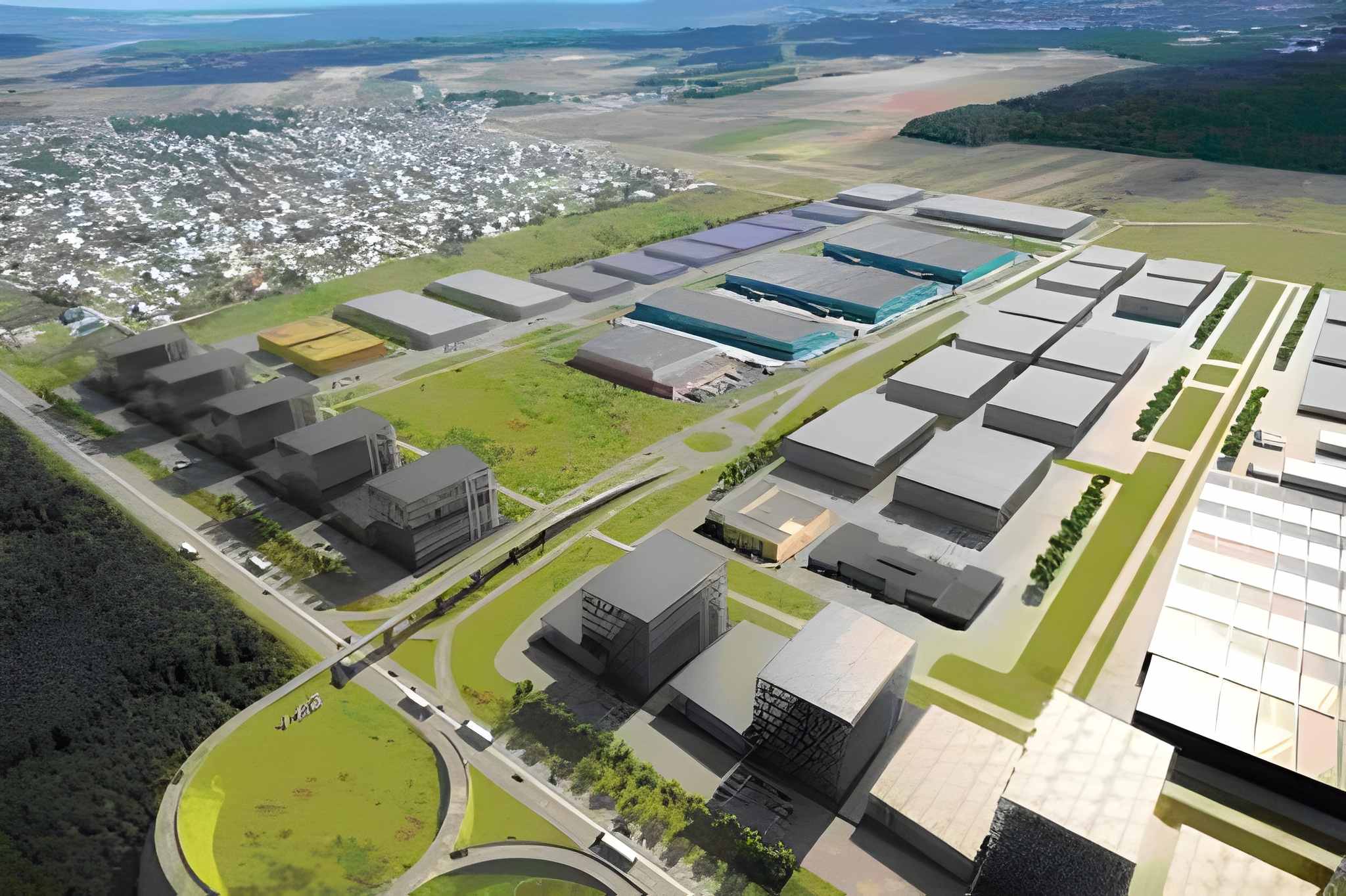
What Is Being Built
SEZ construction falls into several categories. Each offers different opportunities for contractors.
| Category | Examples | Typical Contract Size |
|---|---|---|
| Core infrastructure | Roads, water treatment, power lines, fibre optics, drainage | Large – often government-funded |
| Industrial buildings | Factories, warehouses, cold storage, logistics centres | Medium to large – private or PPP |
| Commercial facilities | Offices, showrooms, banks, restaurants | Medium – private |
| Residential (within SEZs) | Staff housing, apartment blocks for workers | Medium – private or institutional |
| Utilities and energy | Substations, solar farms, backup generators, water pumps | Medium – specialised |
The scale is substantial. Konza Technopolis alone has a master plan spanning thousands of acres, with phased development over decades. Tatu City is already home to dozens of operational businesses, with more under construction. Naivasha SEZ is attracting international logistics firms.
Why This Matters for Contractors
For builders, SEZ work offers several advantages over traditional real estate development.
First, payment is more reliable. Institutional investors and government-backed entities have better payment discipline than speculative developers. The horror stories of pending bills are less common in SEZ projects.
Second, the work is repeatable. SEZs are built in phases. A contractor who performs well on Phase 1 is well positioned for Phase 2, Phase 3, and beyond. This creates a pipeline, not just a single project.
Third, the specifications are clear. SEZ buildings have defined standards – floor loading, ceiling heights, power capacity, security requirements. There is less ambiguity than in bespoke residential or office projects.
Fourth, the clients are sophisticated. They understand construction. They have project managers. They value quality and timelines. This can be demanding, but it also means less hand-holding and fewer disputes.
Fifth, the skills are transferable. Industrial construction – warehouses, factories, logistics centres – uses different techniques than residential. But once learned, these skills are in demand across multiple sectors.
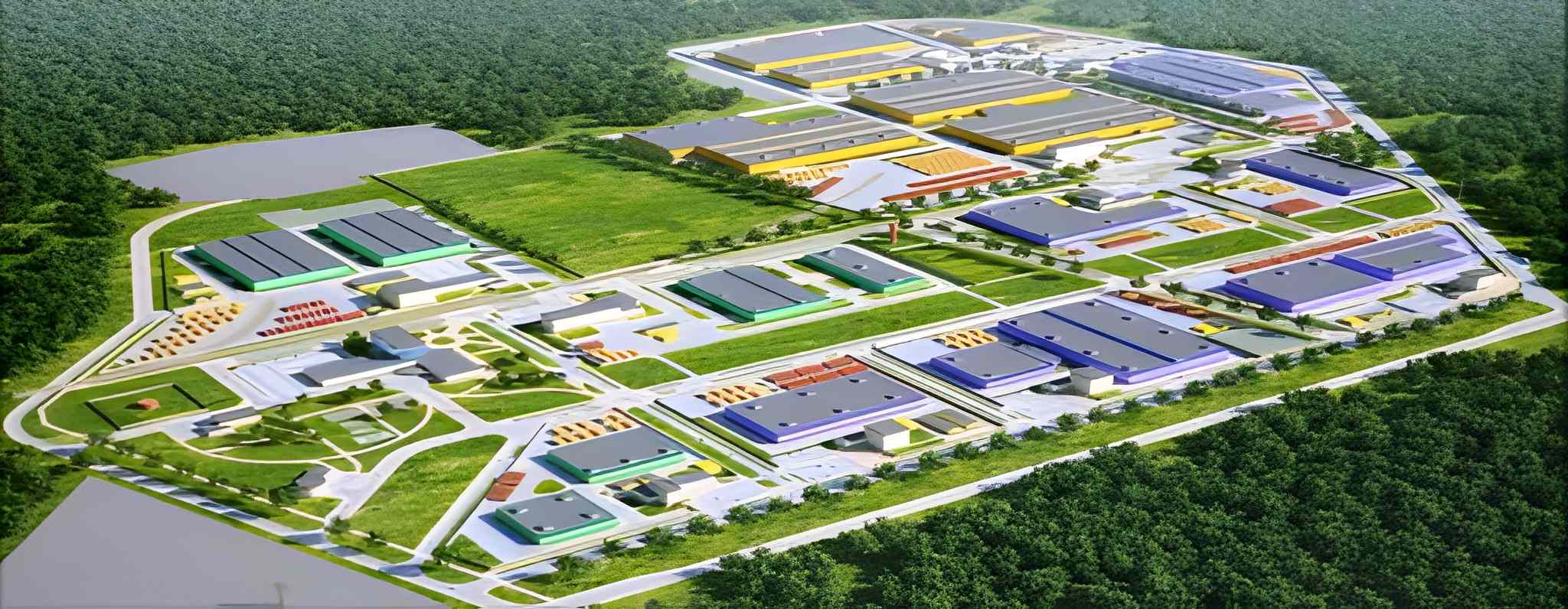
The Current Pipeline
Let us look at what is actually happening on the ground.
Konza Technopolis: The “Silicon Savannah” continues to develop. Phase 1 infrastructure is largely complete. The Konza Data Centre is operational. New plots are being allocated. The recent Build Talk Africa conference featured David Mugambi, Director of Business Development at KoTDA, discussing the next phases .
Tatu City: This mixed-use SEZ on the outskirts of Nairobi is already home to Dormans, Cooper K-Brands, Kim-Fay, and other manufacturers. New residential and commercial plots are being developed. Construction is ongoing across multiple sites.
Naivasha SEZ: Located near the Mai Mahiu area, this zone is targeting logistics and manufacturing. The government has invested in road and power upgrades. International investors are circling.
Dongo Kundu SEZ: In Mombasa, this zone is leveraging the new Dongo Kundu bypass and the port of Mombasa. It is positioned for logistics, warehousing, and export-oriented manufacturing.
Beyond these, counties are also developing their own SEZ-style industrial parks, often with national government support.

What Contractors Need to Succeed in SEZ Work
If you are interested in this segment, here is what you need.
Capacity for larger projects. SEZ buildings are often bigger than standard commercial structures. Warehouses of 10,000 square metres or more. Factories with specialised foundations. Contractors need the equipment, labour, and management to handle scale.
Experience with industrial specifications. Floor flatness. Vibration control. Heavy power supply. Wastewater treatment. These are not typical in residential construction. Build the expertise or partner with someone who has it.
Understanding of PPP frameworks. Many SEZ projects are public-private partnerships. Contractors need to understand procurement, risk allocation, and performance guarantees.
Patience for longer timelines. SEZ projects are not fast. Master plans span decades. Phases take years. Contractors used to quick-turn residential projects may find the pace frustrating. But the predictability compensates.
Relationships with institutional clients. SEZA, KoTDA, and the developers of Tatu City and Naivasha have procurement systems. Register. Attend pre-bid meetings. Build relationships.
The Bigger Picture
SEZs are not a flash in the pan. They are a core pillar of Kenya’s industrialisation strategy. The government wants to move from importing finished goods to manufacturing locally. SEZs are the physical infrastructure that enables that shift.
For contractors, this means a steady, long-term pipeline of industrial and infrastructure work. It is not as glamorous as a high-rise in Westlands. But it pays. And it builds capability that will be valuable for decades.
The contractors who learn to build factories, warehouses, and industrial infrastructure will find themselves in demand not just in Kenya, but across East Africa. SEZs are being developed in Tanzania, Uganda, Rwanda, and Ethiopia. The skills are transferable.
The 2026 Reality
While the residential market consolidates and office developers wait for 2027, SEZ construction continues. Institutional capital does not panic over elections. Industrial tenants do not cancel leases because of political uncertainty. SEZs are built for the long term.
For builders willing to shift focus – from apartments to factories, from offices to warehouses – the opportunities are real.
The cement is being poured. The steel is going up. The work is there.