For years, road contractors in Kenya lived through a nightmare. Billions of shillings in pending payments. Sites abandoned mid‑project. Workers laid off. Equipment left to rust.
The numbers were staggering. At its peak, the government owed contractors an estimated Sh650 billion in pending bills . Hundreds of road projects stalled. Some contractors went out of business. Others survived by a thread, waiting for a government that seemed unable to pay.
That era is ending.
In January 2026, the government awarded a Sh2.47 billion contract for the Rumuruti–Mutara road to Wak Construction . Works began on March 24, 2026 . This is not just another road. It is a signal that Kenya’s infrastructure sector is back in motion.
The Road and Why It Matters
The Rumuruti–Mutara road is located in Laikipia County. It links Rumuruti – the official headquarters of Laikipia County – to Nanyuki, one of the fastest‑growing towns in the region.
Currently, the road is gravel. In the rainy season, it becomes treacherous. Farmers struggle to get produce to market. Tourists heading to the Mount Kenya circuit face bumpy, slow journeys. Residents in between endure dust and mud depending on the weather.
The upgrade to bitumen standard will transform the area. It will:
- Ease transport for agricultural produce – Laikipia is a major potato, maize, and vegetable growing region.
- Reduce vehicle operating costs for matatus, lorries, and private cars.
- Improve access to the Mount Kenya tourism circuit, benefiting lodges and camps.
- Open up land for development along the corridor.
The contract has a five‑year timeline , indicating a substantial scope of works including earthworks, drainage, paving, and signage .

The Comeback Story: From Pending Bills to Resumed Work
The Rumuruti–Mutara contract would have been impossible just two years ago. At the height of the pending bills crisis, the government simply could not pay. Contractors stopped work. The Roads Maintenance Levy fund was stretched thin.
The turnaround came from a controversial but effective financial manoeuvre. The government securitised Sh12 from the Roads Maintenance Levy – Sh7 in 2024 and a further Sh5 from July 2025 – to raise commercial loans for contractor payments .
This injection of cash allowed the State to pay Sh123 billion in April 2025 as part of a structured settlement. Approximately 585 road projects had stalled ; many contractors resumed work shortly after .
The Rumuruti–Mutara road is one of the beneficiaries of this renewed confidence. Other roads across the country are also restarting, though the full recovery will take time.
What This Means for Contractors
For road construction firms, this project – and others like it – sends several messages.
First, the government is paying again. The securitisation model has unlocked cash. Contractors who survived the drought are now seeing their invoices honoured. New tenders are being awarded with more realistic payment schedules.
Second, the pipeline is rebuilding. The government has prioritised strategic roads that connect agricultural areas, tourism circuits, and county headquarters. Laikipia is one region, but similar projects are planned in Narok, Kitui, Baringo, and elsewhere.
Third, caution is still wise. The pending bills crisis was traumatic. Many contractors now demand advance payments or stage payments tied to verified milestones. The days of finishing a road and waiting two years for payment are over – for those who learned the lesson.
Fourth, local capacity matters. Wak Construction is a Kenyan firm. The government is increasingly awarding contracts to local companies rather than international giants, in line with the local content agenda. This creates opportunities for medium‑sized road contractors who might previously have been sidelined.
The Regional Impact
The Rumuruti–Mutara road does not exist in isolation. It connects to the Nanyuki–Isiolo road, which itself is undergoing upgrades. Further north, the Isiolo–Moyale highway is a key corridor to Ethiopia.
Improving the Rumuruti–Mutara section strengthens the entire northern transport network. For Laikipia County, it means farmers in Mutara can reach Rumuruti market faster. For Nanyuki, it means more goods and people flowing in from the west. For tourism, it means the Mount Kenya circuit becomes more seamless.
The economic multiplier effect of a single road is often underestimated. Every shilling spent on bitumen saves multiple shillings in vehicle repairs, fuel, and lost time over the road’s lifespan.
The Election Factor
The 2027 elections are approaching. Infrastructure projects are politically visible. A new road is a ribbon‑cutting opportunity for local MPs and the county government.
This creates both opportunity and risk. Opportunity because projects may be accelerated to show results before the election. Risk because some projects may be rushed, compromising quality, or because funding might be redirected to more photogenic but less strategic roads.
Contractors need to balance the desire for work with the discipline of proper quality control. A road built poorly to meet an election deadline will deteriorate quickly, and the contractor will be blamed – regardless of the pressure they were under.
What Contractors Should Do Now
If you are a road contractor looking to participate in this renewed pipeline, here is what to do.
First, get your documentation ready. The Kenya National Highways Authority (KeNHA), Kenya Urban Roads Authority (KURA), and Kenya Rural Roads Authority (KeRRA) have different procurement systems. Ensure your registrations are current.
Second, study the securitisation model. Understand how road projects are now financed. The Roads Maintenance Levy is still the primary source, but commercial loans backed by future levy collections are becoming common. This affects payment schedules.
Third, build capacity in rural roads. The Rumuruti–Mutara road is a rural road, not a highway. There are hundreds of similar roads across counties that need upgrading. Contractors who can mobilise quickly in rural areas have an advantage.
Fourth, consider joint ventures. Some contracts are still large for medium‑sized firms. Partnering with another local contractor can increase your capacity and spread risk.
Fifth, watch the political calendar. Projects advertised in 2026 are likely to be fast‑tracked for completion before mid‑2027. Be realistic about what you can deliver. Overpromising leads to failure.
The Bigger Picture
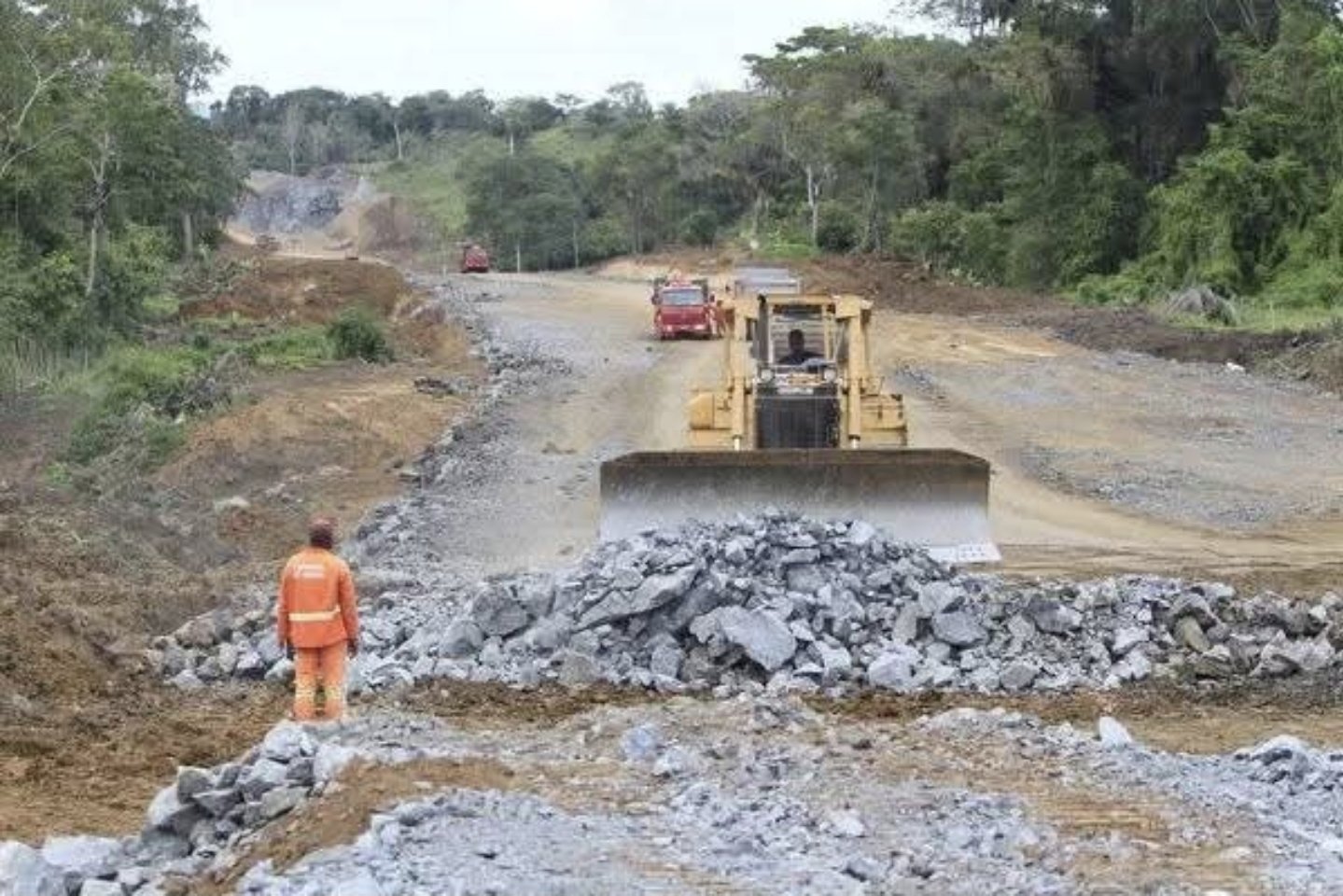
The Sh2.47 billion Rumuruti–Mutara road is one contract. But it represents a turning point. After years of paralysis, Kenya’s road sector is moving again.
The pending bills crisis was a harsh lesson for everyone – contractors, government, financiers. The securitisation solution is not perfect, but it has broken the logjam.
For contractors who survived, the future looks brighter. For those who exited the industry, the door is still open – but the landscape has changed. Payment terms are tighter. Scrutiny is higher. Quality expectations are non‑negotiable.
The road from Rumuruti to Mutara will be built. It will take five years. It will employ Kenyan workers, use Kenyan materials, and be built by a Kenyan contractor.
That is the kind of infrastructure story worth telling.