For all the cranes in Nairobi, for all the new apartment blocks rising in Kiambu, for all the Affordable Housing Programme announcements, one stubborn fact remains.
Kenya does not have enough homes.
The numbers are stark. The country faces a housing deficit running into millions of units. In Nairobi alone, more than half the population lives in informal settlements, often without access to basic services like clean water, proper sanitation, or reliable electricity .
This is not a new problem. But it is a persistent one. And understanding why the deficit refuses to shrink is essential for any builder trying to make sense of the market.
The Numbers That Will Not Go Away
Let us start with the scale. Different sources give different figures, but they all point in the same direction: millions of units short.
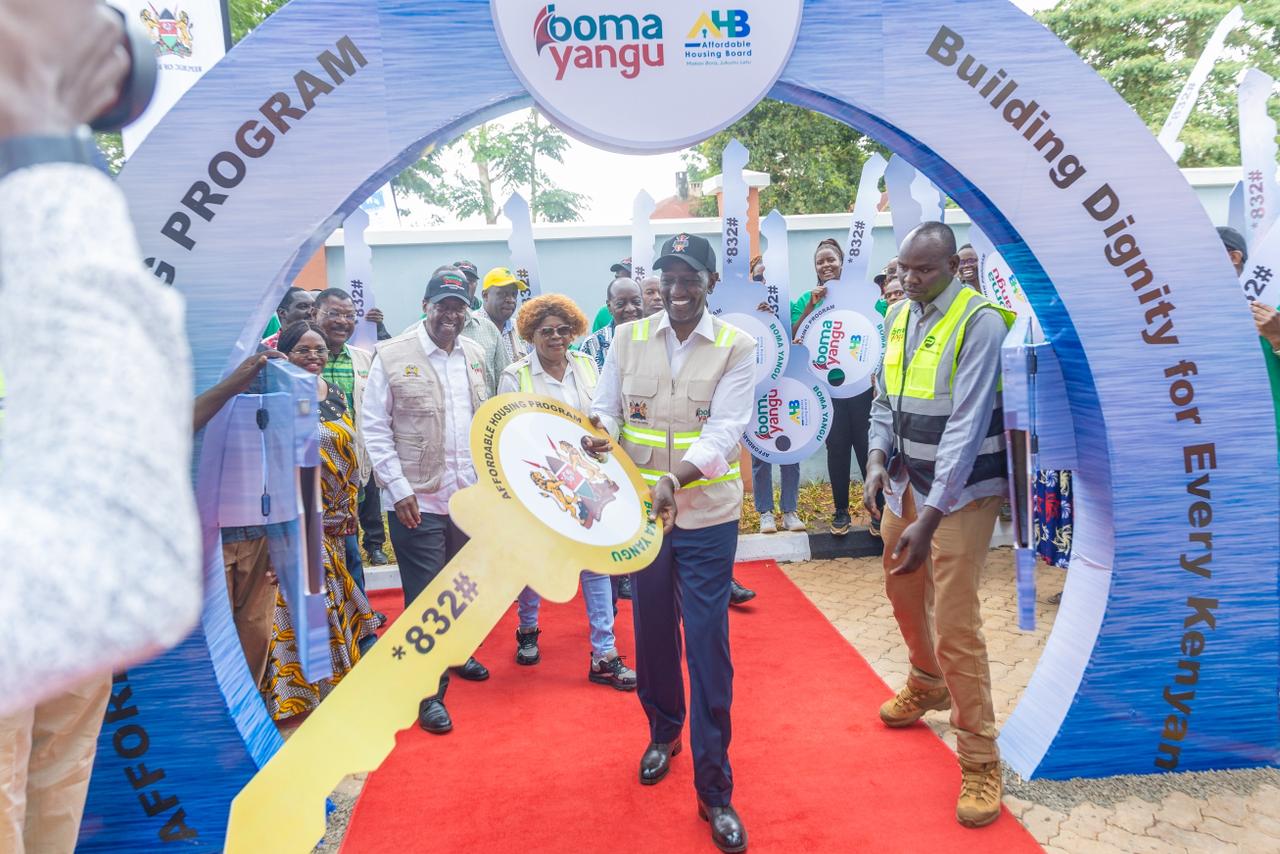
The Affordable Housing Programme targets 200,000 new homes annually . Even at that pace – which the government has not yet achieved – it would take a decade to make a serious dent in the backlog.
President Ruto has repeatedly acknowledged the severity, framing housing as a central pillar of his administration’s economic agenda. His words are worth repeating:
“Housing is not just a social issue; it is an economic issue.”
He has added that expanding access to decent homes would create jobs and stimulate growth. And he is right. Every house built employs workers, consumes materials, and generates economic activity up and down the supply chain.
But the gap between need and delivery remains wide.
Why the Deficit Persists
If the need is so obvious, why is the deficit not shrinking faster? The answer lies in a web of structural barriers.
First, mortgage penetration remains extremely low. The vast majority of Kenyans cannot access a mortgage. Banks require substantial deposits, proof of formal income, and clean credit histories. Most urban residents work in the informal sector. They earn cash, not payslips. They cannot get a loan, so they cannot buy a formal house. They rent in informal settlements instead.
Second, the cost of construction is high. Cement, steel, and other materials have become more expensive due to inflation, currency fluctuations, and transport costs. Land in urban areas is prohibitively expensive. Developers who build formal housing must price units at levels that exclude the majority of the population.
Third, regulatory bottlenecks slow delivery. Getting approvals from county governments can take months or years. Zoning restrictions limit density. Building codes, while important, add cost and complexity. The process of taking a plot of land and turning it into a completed apartment block is longer and more expensive in Kenya than in many peer countries.
Fourth, the informal sector dominates. An estimated 80 percent of construction activity is informal , with little regard for regulatory compliance . Informal builders operate outside the system. They do not pay fees, follow codes, or provide formal warranties. They can build cheaply because they cut corners. But the result is often substandard housing that is unsafe and inefficient.
The Human Cost
Behind the numbers are real people.
A family living in a single room in Kibera, paying rent for space that lacks proper ventilation, shared toilets, and no reliable water connection. A young couple saving for years to afford a deposit on a tiny apartment in a far-flung estate, commuting hours to work each day. A single mother raising children in a structure that could collapse in heavy rains.
The housing deficit is not an abstract statistic. It is millions of Kenyans living without dignity, security, or the foundation for a better life.
The government’s framing – “housing as an economic issue” – is correct, but it is also a human issue. Decent housing improves health, education, and productivity. Children who have a quiet place to study do better in school. Workers who sleep well and live near their jobs are more productive. Families who are not constantly worried about eviction or rent increases have more mental bandwidth for everything else.

What This Means for Builders
For contractors and builders, the persistent deficit creates both opportunity and responsibility.
Opportunity: The demand is real. Unlike speculative office towers or retail malls that can become oversupplied, housing for low- and middle-income Kenyans has a bottomless market. Build well, price affordably, and you will find buyers or tenants.
Responsibility: Build for the right segment. Luxury apartments in Westlands serve a tiny fraction of the population. The real need is for affordable units in accessible locations. Builders who focus on this segment will find policy support, structured financing, and grateful clients.
Challenge: Margins are tight. Affordable housing means affordable pricing. Developers cannot charge luxury premiums. Builders must find efficiencies – through value engineering, standardised designs, and smart procurement – to deliver quality at lower cost.
Opportunity: Partnerships with government. The Affordable Housing Programme is the government’s flagship effort. Contractors who understand its frameworks, register on its portals, and deliver quality work will find repeat business.
The Mortgage Barrier
One of the most frustrating aspects of the housing deficit is that it persists even when units are built. Kenya has examples of affordable housing projects that struggled to sell because potential buyers could not access financing.
The government has tried to address this through the Kenya Mortgage Refinance Company (KMRC) , which provides cheaper, longer-term funding to banks and saccos for onward lending to homebuyers. The Boma Yangu portal allows savers to accumulate deposits and get priority for Affordable Housing Programme units.
But these are early days. Mortgage penetration remains below 5 percent of the population. Until financing becomes accessible to informal sector workers, teachers, nurses, police officers, and small business owners, the deficit will persist.
For builders, this means understanding your buyer. If you are building for the affordable segment, you need to know: can your target customer get a loan? If not, can you structure rent-to-own or other creative financing? The contractor who solves the financing puzzle will sell units faster than the contractor who just builds.
The Informal Sector Reality
The fact that 80 percent of construction is informal is often cited as a problem. And it is. But it is also a reality that formal builders must compete with.
Informal builders offer lower prices because they avoid taxes, fees, and codes. They do not provide warranties, insurance, or professional certifications. Their clients accept these trade-offs because they cannot afford formal alternatives.
For formal builders, the challenge is to offer value that justifies the higher price. Better quality. Safer structures. Proper finishes. Legal certainty. Financing assistance. The customer who buys from a formal builder should feel that they are getting something the informal builder cannot provide.
The 2026 Reality
The housing deficit did not appear overnight, and it will not disappear overnight. But there is progress. The Affordable Housing Programme has delivered thousands of units. Private developers are experimenting with new models. Financiers are slowly warming to affordable housing as an asset class.
President Ruto’s framing – housing as an economic issue – has shifted the conversation. Housing is no longer seen as a social welfare problem to be solved by government alone. It is seen as a market opportunity where private capital and public policy can work together.
For builders, this means the pipeline is real. The demand is real. The need is urgent.
The question is not whether Kenya needs millions of new homes. It does. The question is which builders will step up to build them, at scale, at quality, at prices people can afford.
Those who do will not only grow their businesses. They will help solve one of Kenya’s most stubborn, most human problems.