Every year, when the National Treasury reads the budget, contractors and developers listen for one number. How much is the government actually putting into housing? Not promises. Not policy papers. Actual shillings.
In the 2025/26 financial year, that number is Sh120.2 billion allocated to the housing and settlement sector .
This is not small. It is a Sh28 billion increase from the Sh92.1 billion allocated in the 2024/25 budget . And the breakdown tells a clear story about where the government is directing resources, what it expects to achieve, and who stands to benefit.
The Big Picture
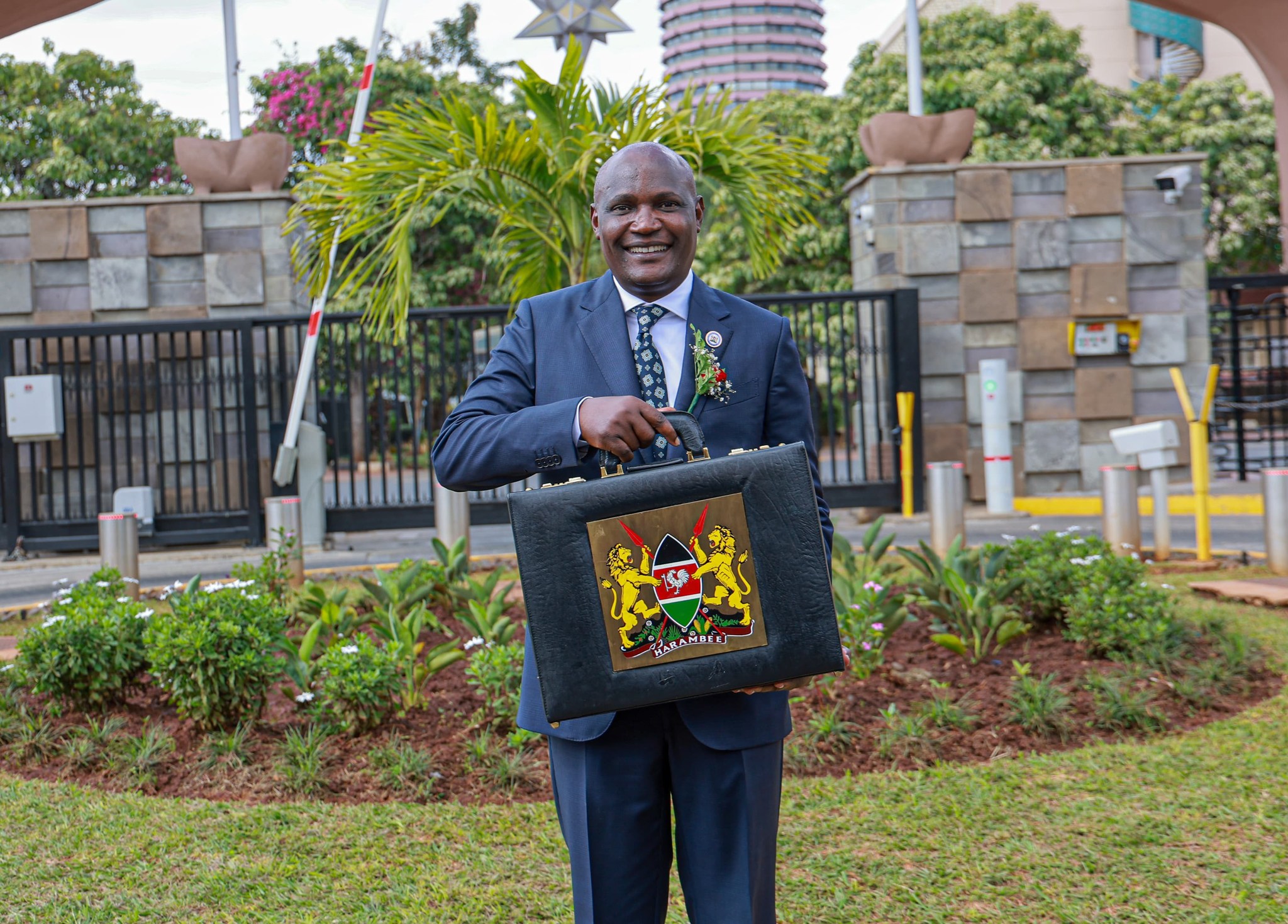
Let us start with the headline. The Sh120.2 billion allocation covers the entire housing and urban development portfolio. It includes affordable housing construction, slum upgrading, urban infrastructure, police and prison housing, mortgage subsidies, and land servicing .
But the most important part is what Treasury Cabinet Secretary John Mbadi called the “core housing plan” – the money going directly into building units and supporting infrastructure.
Here is the full breakdown as presented in Parliament:
| Budget Line | Allocation | What It Covers |
|---|---|---|
| Affordable housing units | Sh64.5 billion | Direct construction of affordable homes across the country |
| Social and physical infrastructure | Sh16.5 billion | Roads, water, power, and drainage supporting housing projects |
| Social housing units | Sh10.5 billion | Housing for the most vulnerable, often heavily subsidised |
| Kenya Urban Support Programme | Sh13.4 billion | Upgrading towns and municipalities under World Bank funding |
| Kenya Informal Settlement Improvement Project – Phase II | Sh7.2 billion | Slum upgrading, roads, drainage, water, and sanitation in informal settlements |
| Institutional housing | Sh3.5 billion | Housing for police, prison officers, and other government employees |
| County headquarters | Sh0.45 billion | Construction of new county government offices |
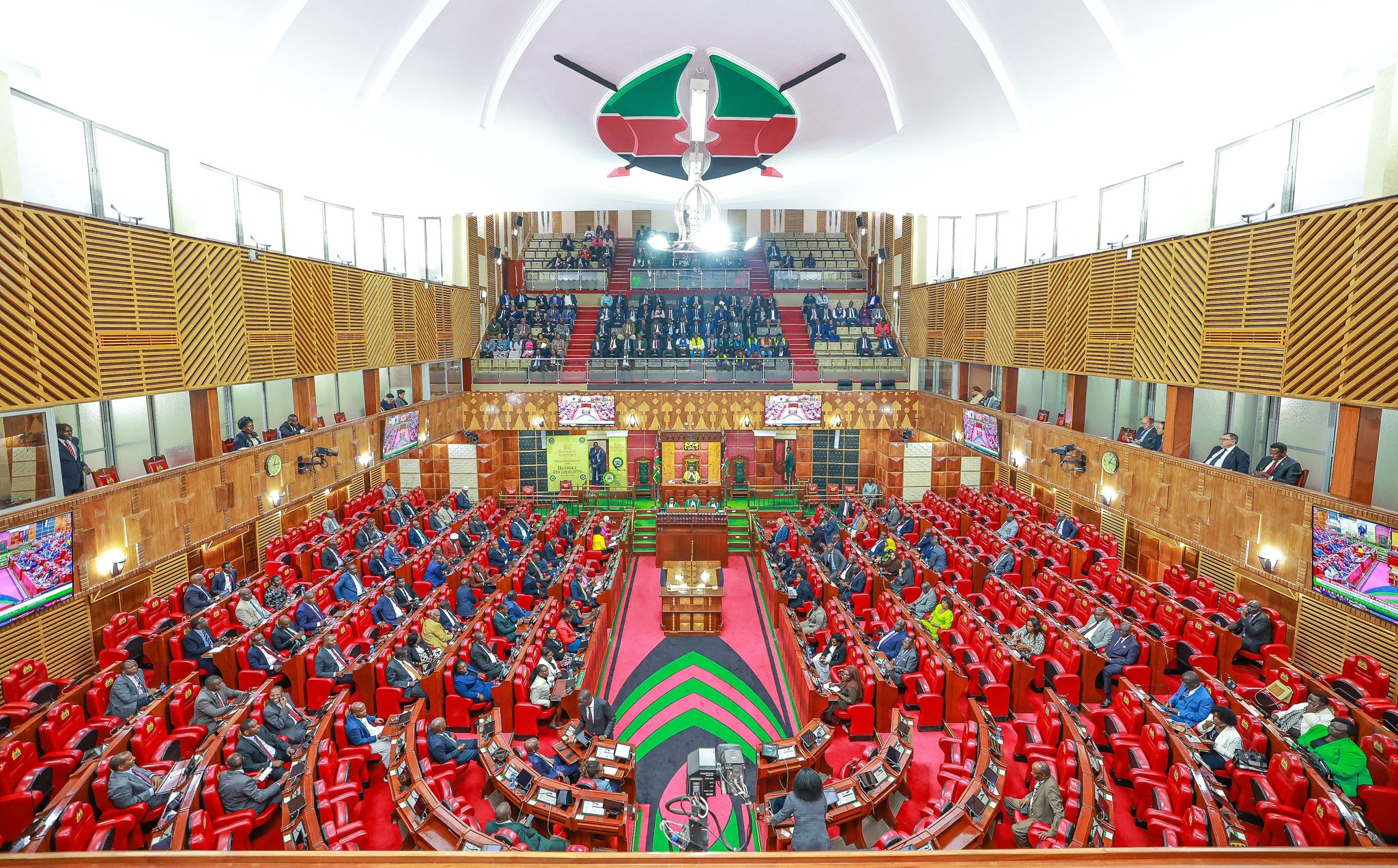
The numbers come from Mbadi’s budget speech to Parliament on June 12, 2025, where he detailed how the Sh4.2 trillion national budget would be spent . The housing allocation was among the largest for any development sector, reflecting the government’s prioritisation of the Affordable Housing Programme .
What Sh64.5 Billion Actually Buys
The largest single line item is Sh64.5 billion for the construction of affordable housing units . This is the money that pays for concrete, steel, labour, and everything else that goes into building homes.
To put it in perspective, this is more than double what was allocated to affordable housing construction in previous years. The government’s target under the Affordable Housing Programme is ambitious – Lands Cabinet Secretary Alice Wahome announced in January 2026 that the government plans to construct 500,000 housing units in 2026 alone under the programme .
Whether that target is achievable is a separate question. But the budget allocation confirms that the government is putting real money behind its ambitions.
Beyond Construction: The Support Programmes
The housing allocation goes beyond just building units. Two programmes are particularly worth understanding.
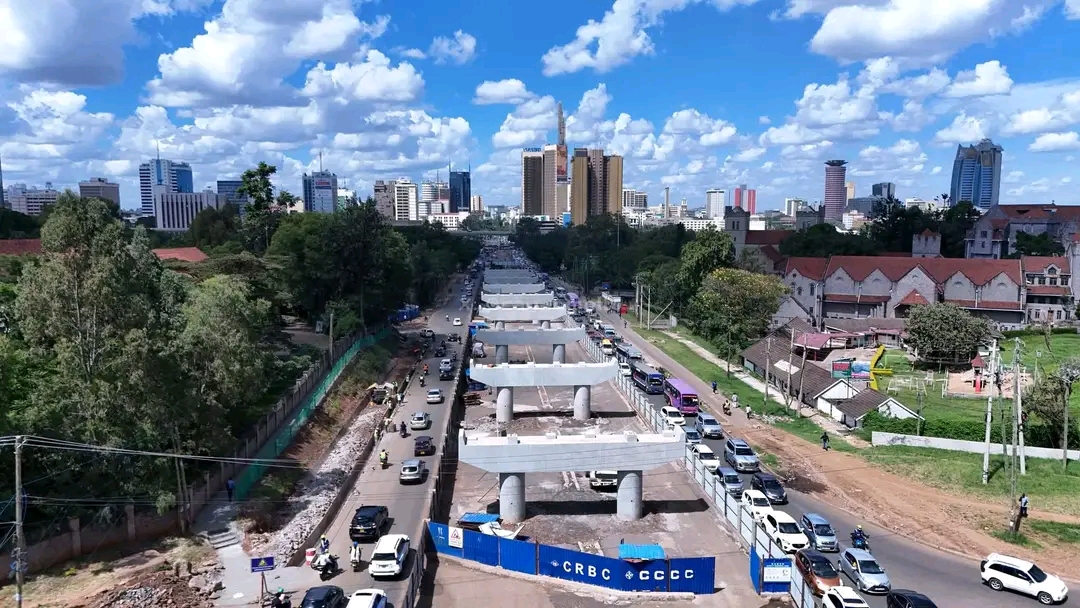
The Kenya Urban Support Programme (KUSP) received Sh13.4 billion . This is a World Bank‑funded initiative that provides conditional grants to counties for urban infrastructure development. In February 2026, a total of Sh6.73 billion was disbursed to counties under KUSP II to finance development works in towns and municipalities during the 2025/26 financial year . Kiambu County, for example, received Sh1.6 billion for road upgrades, non‑motorised transport systems, bus parks, and solar street lighting .
The Kenya Informal Settlement Improvement Project – Phase II (KISIP II) received Sh7.2 billion . This programme focuses on upgrading informal settlements by improving roads, drainage, street lighting, water access, and sanitation. A Sh243 million infrastructure upgrade under KISIP II is already giving Majengo, Mjini, and Salama a much‑needed facelift, according to a July 2025 government announcement . The project is financed by the World Bank (US$150 million) and the French Development Agency (€43 million), with the government providing counterpart funding .
These programmes matter for contractors because they represent steady, predictable work. Unlike private sector projects that can stall when financing dries up, these are backed by international development partners and structured disbursement schedules.
Institutional Housing: The Quiet Pipeline
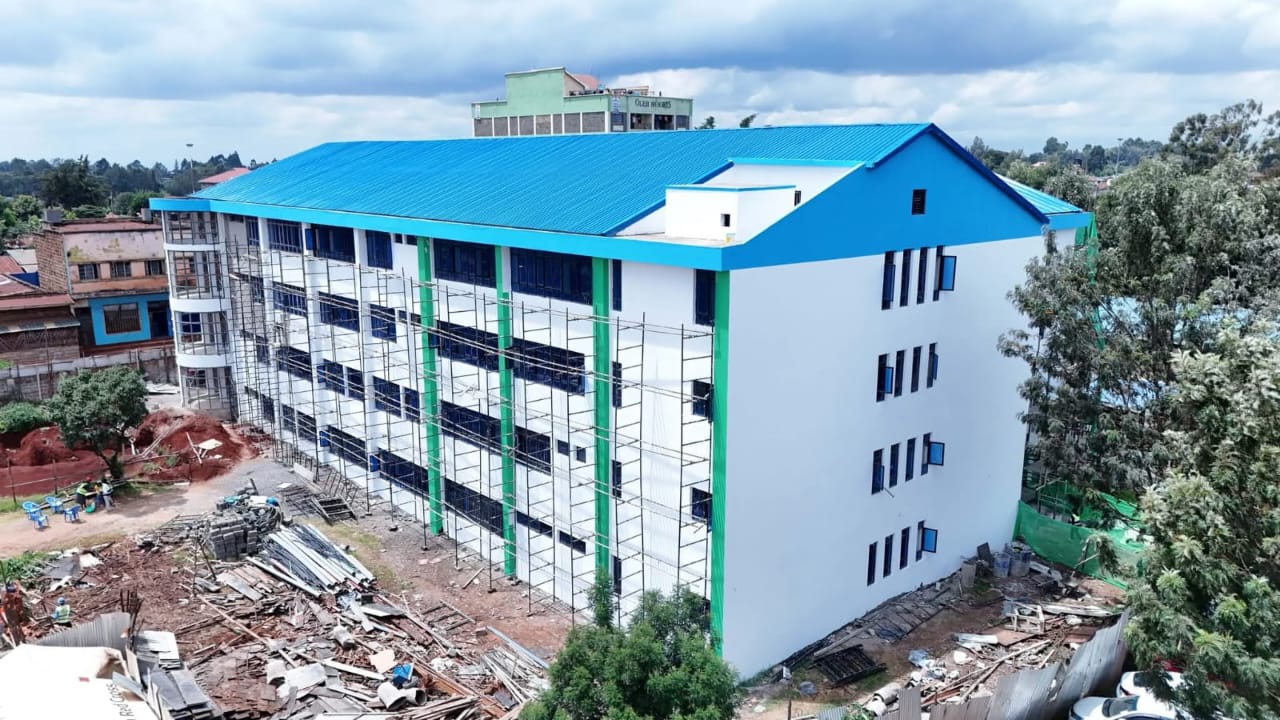
Institutional housing – housing for police, prison officers, and other government employees – received Sh3.5 billion in the budget .
This is the same programme we discussed in an earlier article: the 47,000 units being built for security forces. The budget allocation confirms that the government remains committed to this pipeline. To date, 2,092 units have been completed, 9,555 units are under active construction, and another 24,720 units are under procurement .
The budget for institutional housing may seem small compared to the Sh64.5 billion for affordable housing, but it is important to understand the distinction. Institutional housing is often funded through separate ministry budgets – the Ministry of Defence and the National Police Service have their own allocations. The Sh3.5 billion line item in the Treasury budget is a top‑up, not the total.
The Financing Innovation Story
The budget allocation alone does not tell the full story. Mbadi has been explicit that sustainable housing finance must evolve beyond traditional budgetary allocations to embrace innovation and catalytic financial instruments .
He highlighted several mechanisms:
Mortgage‑backed securities, housing bonds, and blended finance are being used to unlock long‑term capital and stimulate market‑driven housing finance . The Kenya Mortgage Refinance Company (KMRC) has already demonstrated what this looks like in practice.
KMRC has refinanced more than 4,600 affordable home loans across 39 counties at a cost of approximately Sh21.7 billion. Nearly half of the beneficiaries are women, and these loans have directly benefited more than 18,000 people while creating at least 11,500 jobs . The government has mobilised US$300 million in concessional funding from the World Bank and African Development Bank to support KMRC operations .
The Kenya Mortgage Guarantee Trust (KMGT) is being capitalised with an initial €4 million (approximately Sh603 million) . This is a risk‑sharing facility aimed at de‑risking lending to informal and irregular income earners – the majority of Kenyans who cannot access traditional mortgages . “By providing partial risk cover, KMGT will empower lenders to extend credit to those typically excluded from formal finance, such as informal sector workers and small business owners,” Mbadi explained .
Tax relief is also part of the package. The Finance Act 2025 introduced an annual tax relief of up to Sh360,000 for incremental home construction loans, designed to reflect how most Kenyans build their homes progressively .
For contractors, these financing mechanisms matter because they make housing projects more viable. When developers can access cheaper, more patient capital, they are more likely to launch and complete projects. When homebuyers can access affordable mortgages, demand for completed units is stronger.
The 2026/27 Outlook
The housing budget is not static. The 2026/27 Budget Policy Statement, released in early 2026, shows the government intends to allocate Sh139.33 billion to the Housing and Urban Development department to continue the Affordable Housing drive . Of this, Sh133.6 billion will be spent on housing development, and Sh5.7 billion on recurrent spending .
The BPS also reveals plans to establish 15 Constituency Appropriate Building Materials and Technologies (ABMTs) centres to promote locally‑sourced, climate‑appropriate building materials and provide technical training in modern construction methods . Additionally, 506 markets will be constructed to enhance commercial infrastructure and support local economic activities .
What This Means for Contractors
For builders and contractors, the budget allocation sends several clear signals.
First, the Affordable Housing Programme is funded. Sh64.5 billion for affordable housing construction is real money. It is being allocated, disbursed, and spent. Contractors who are registered, compliant, and capable can access this work.
Second, urban development is a growth area. The Sh13.4 billion for KUSP and Sh7.2 billion for KISIP II represent steady pipelines of municipal infrastructure work – roads, drainage, lighting, water, sanitation. These are not flashy projects, but they pay.
Third, institutional housing continues. The Sh3.5 billion line item, combined with ministry‑specific budgets, confirms that security forces housing remains a priority.
Fourth, financing innovation creates demand. When KMRC refinances mortgages at single‑digit interest rates, more Kenyans can buy homes. When KMGT guarantees loans for informal sector workers, the market expands. This creates demand for completed housing units, which makes developers more willing to build.
The Bottom Line
Sh120.2 billion is not a promise. It is an appropriated budget. The money has been allocated, debated, and passed by Parliament. It is being disbursed through established channels.
For contractors, the question is not whether the work exists. It does. The question is whether you are positioned to compete for it. The tenders are being advertised. The pre‑bid meetings are being held. The projects are being built.
The budget that keeps housing alive is not theoretical. It is real. And it is being spent right now.