Kenyan construction has meant one thing for many years: cement, sand, ballast, and steel. Brick by brick. Block by block. It is a familiar rhythm. But it is slow, labour‑intensive, and increasingly expensive.
What if there was another way?
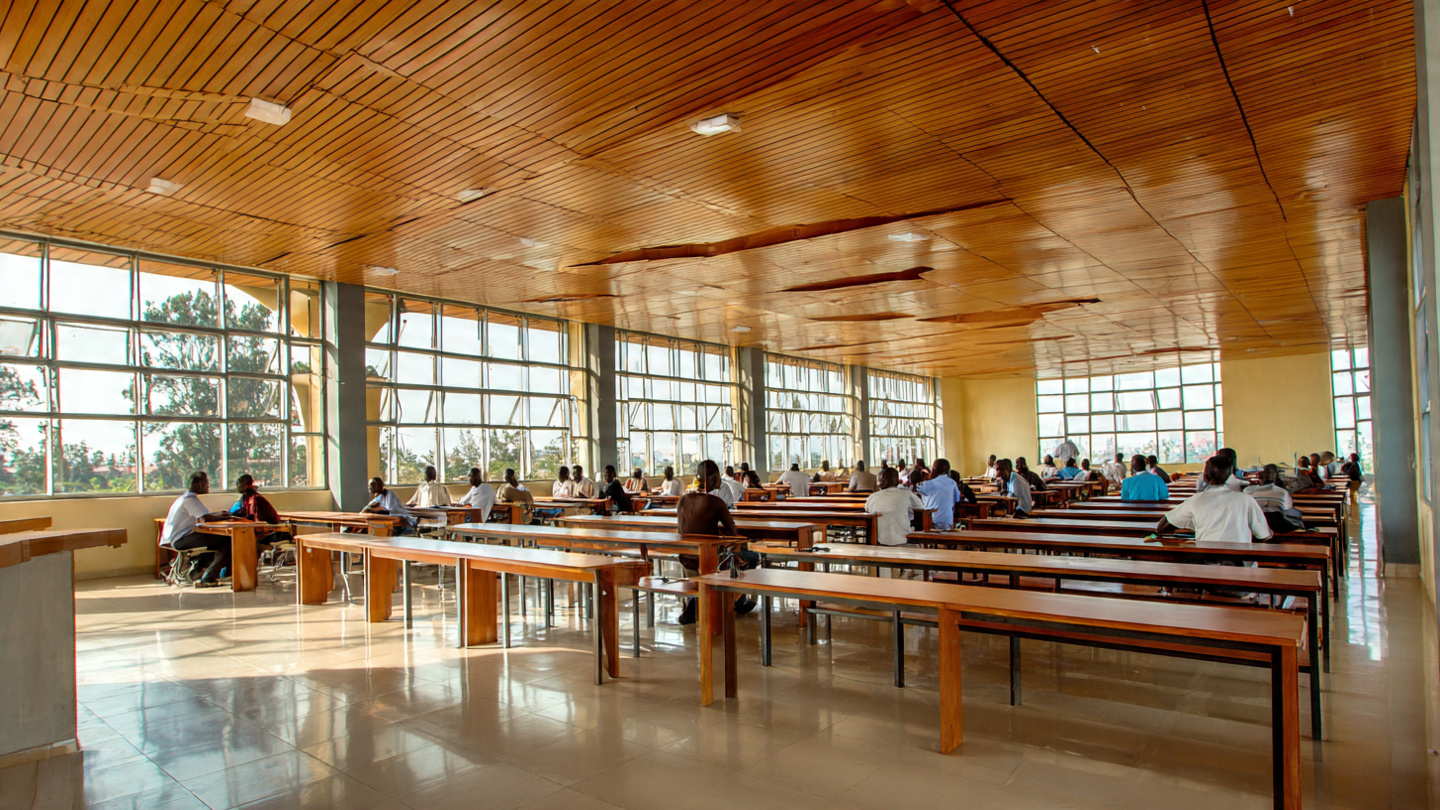
The National Housing Corporation (NHC) has signed an agreement to build an ultramodern lecture hall complex at Masinde Muliro University of Science and Technology (MMUST) for Sh90 million . The twist? It will be constructed using 100% Expanded Polystyrene System (EPS) panels – a technology that is cost‑effective, durable, environmentally friendly, and will take only four months to complete .
This is not an experimental prototype. The NHC has already used EPS for several other projects, including Changamwe Infill Estate in Mombasa, Voi Infill in Taita Taveta, Olympic Estate in Nairobi, Langata Mixed‑Use Development, and even an airstrip in Kitui .
For builders and contractors, this is a signal. EPS is moving from the margins to the mainstream of Kenyan public works.
What Are EPS Panels?
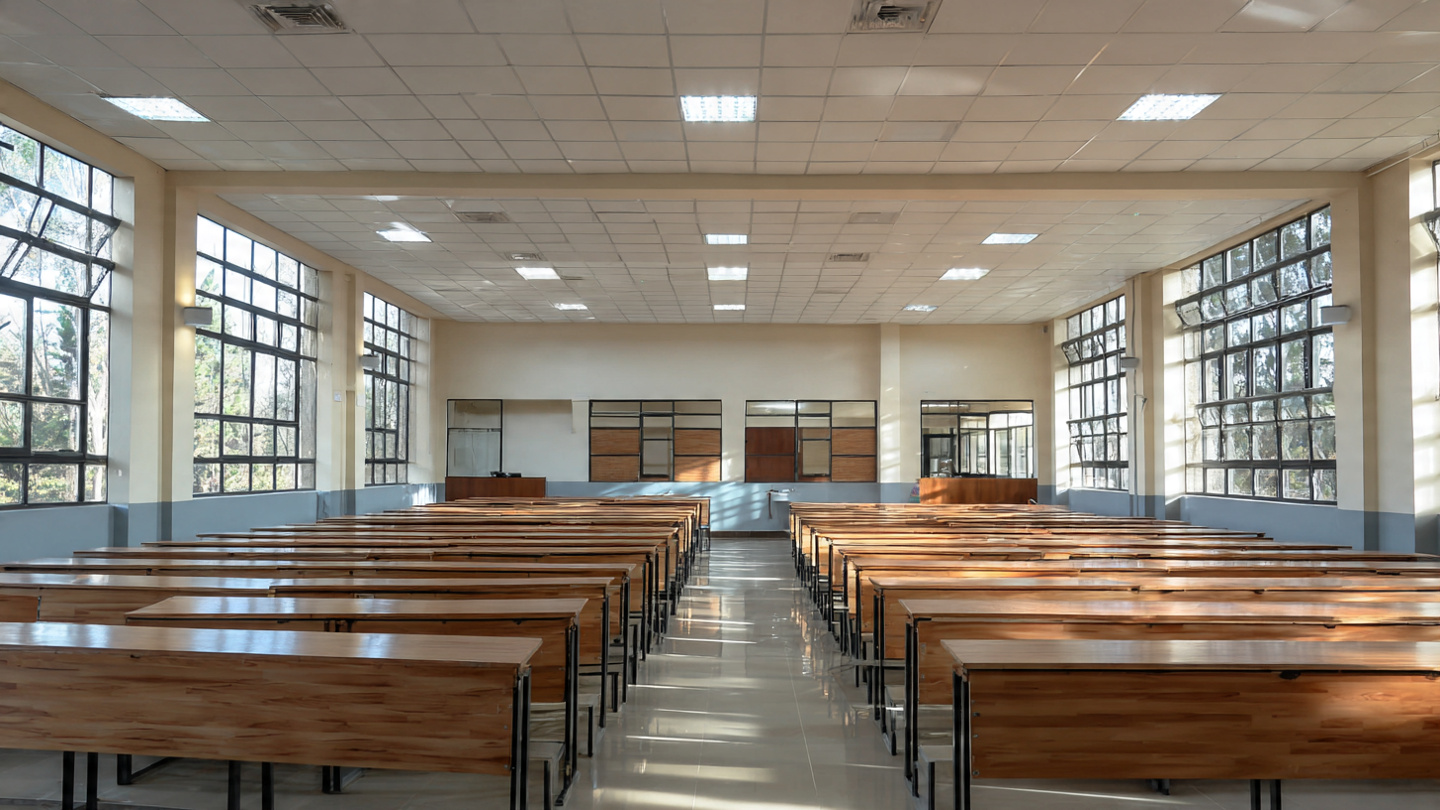
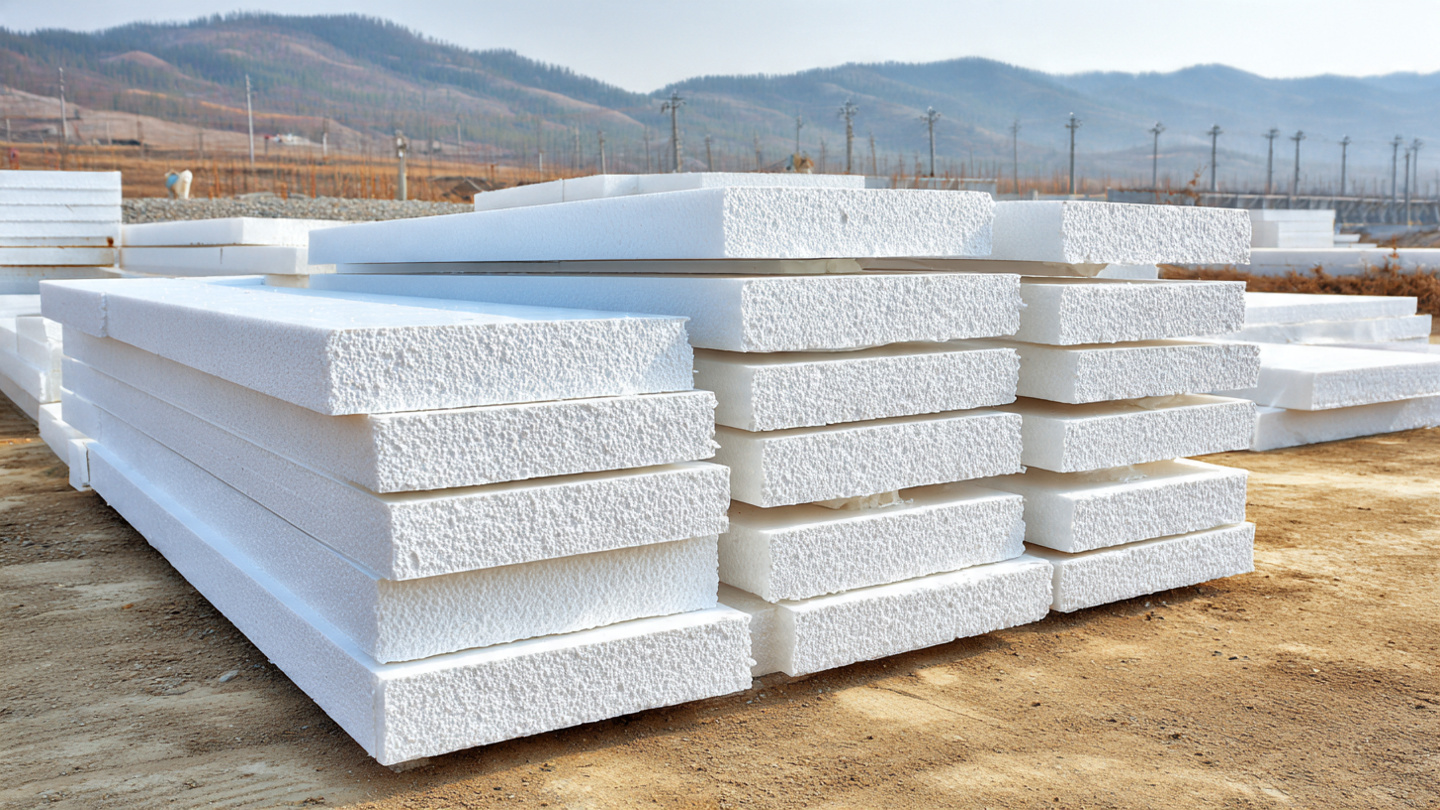
Expanded Polystyrene System panels are lightweight, prefabricated building components. Two steel wire mesh grids are welded together and sandwiched around a core of high‑density EPS foam. The result is a rigid, flat panel that can be cut to size on site or custom‑ordered.
Once the panels are placed and aligned, a thin layer of concrete or plaster is sprayed or hand‑trowelled onto both sides. The steel mesh bonds with the coating, and the EPS core provides insulation and shape.
In simple terms: instead of building a wall brick by brick, you put up a pre‑made panel, then give it a concrete skin.
Why EPS Matters for Kenya
The advantages of EPS are not theoretical. They have been demonstrated on Kenyan sites.
Speed: The MMUST lecture hall will be completed in four months. A conventional building of the same size would take at least eight to twelve months. For schools, clinics, and housing projects under the Affordable Housing Programme, speed is a game‑changer.
Cost: NHC projects have consistently shown EPS to be more cost‑effective than traditional masonry. Less cement, less sand, less labour, less transport. The panels are lightweight – one truck can carry enough material for several houses.
Durability: The steel mesh and concrete coating create a monolithic structure that is strong, termite‑proof, and fire‑resistant (the EPS core is treated with fire‑retardant additives). It withstands heavy rains and strong winds, making it suitable for coastal and highland areas.
Insulation: The EPS core provides natural thermal and acoustic insulation. Buildings stay cooler in the day and warmer at night, reducing the need for fans, heaters, or air conditioning. This is especially valuable in extreme climates like Mombasa or Turkana.
Environmental benefits: EPS uses less cement and no baked bricks. Cement production is a major source of carbon emissions. Using EPS cuts the carbon footprint of a building significantly. The panels also generate minimal waste – offcuts can be recycled.
What the MMUST Project Tells Us
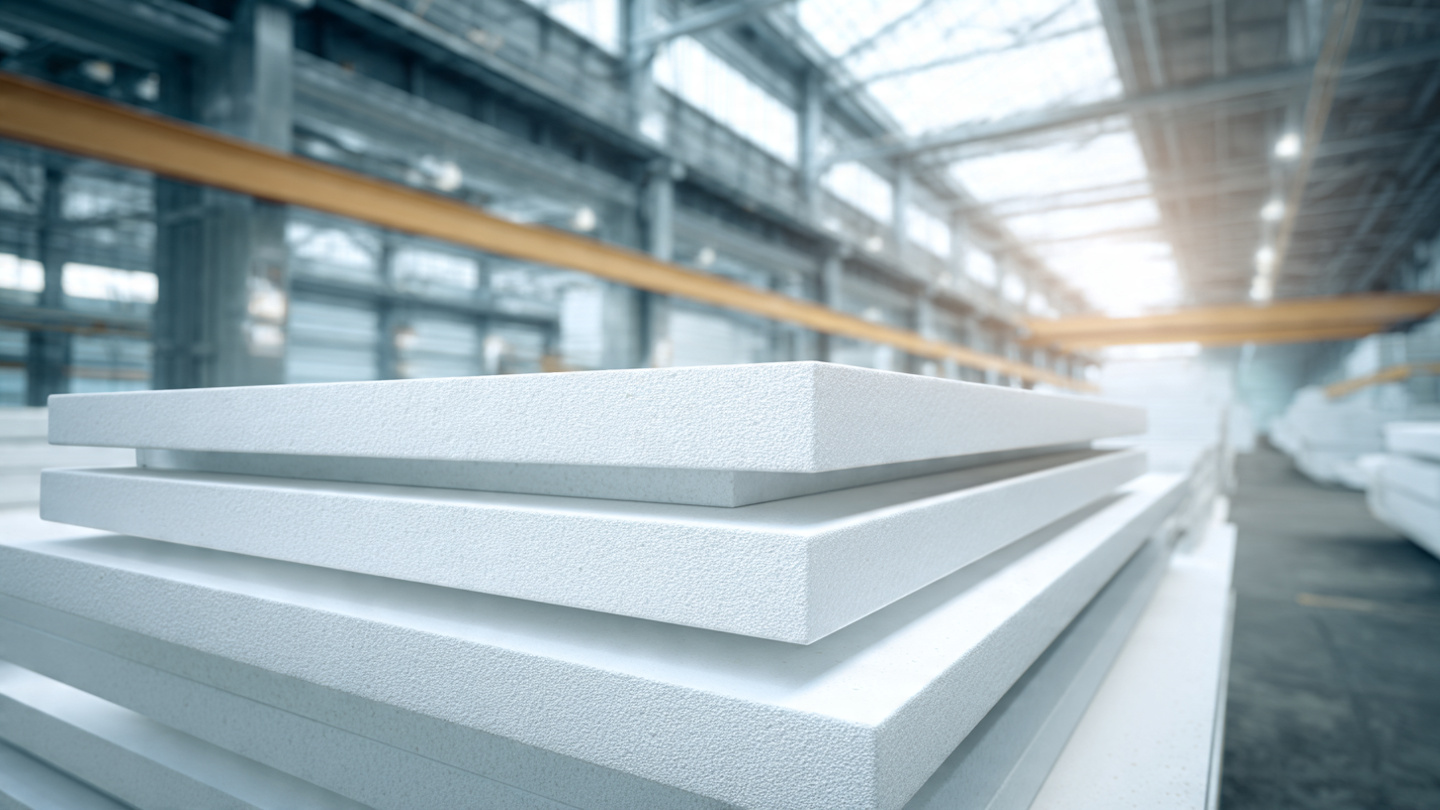
The Sh90 million lecture hall at MMUST is not a small test. It is a substantial public building – lecture halls, offices, perhaps a seminar wing. The decision to use EPS signals that the National Housing Corporation has moved beyond piloting and into full acceptance.
The four‑month timeline is deliberately ambitious. The NHC wants to prove that fast delivery is possible without sacrificing quality. If the MMUST project succeeds, it will become a template for other universities, technical colleges, and even primary schools.
Already, the NHC has used EPS for housing estates in Mombasa, Voi, Nairobi, and Langata – that is residential. The airstrip in Kitui shows the technology can be adapted for specialised infrastructure. Now with MMUST, it is being applied to large‑scale public facilities.
What This Means for Contractors
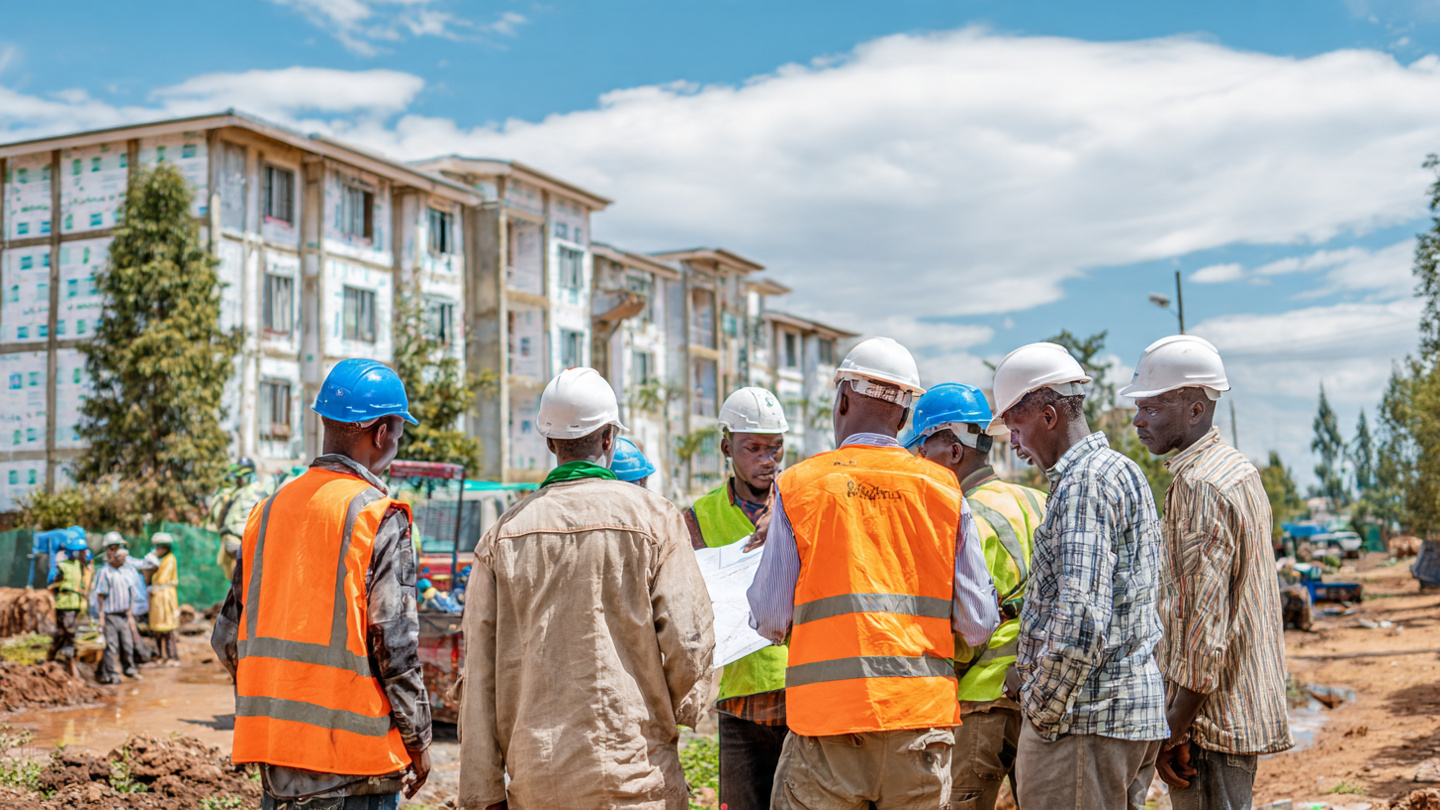
For builders and contractors, the rise of EPS brings both opportunities and challenges.
First, learn the system. EPS panel construction requires different skills than block laying. You need to understand panel alignment, spacing, steel mesh tieing, plaster application, and curing. The learning curve is not steep, but it is real. Contractors who invest in training will have a competitive advantage.
Second, rethink your equipment. EPS panels are light and can be placed by hand, but for large projects, you may need panel lifts, cutting tools, and spray plaster equipment. The capital outlay is modest compared to traditional formwork and heavy machinery.
Third, adjust your costing. EPS reduces material costs but may increase certain labour costs – especially for the finishing coat, which must be done carefully to avoid cracking. Contractors need to develop accurate bills of quantities for EPS projects. The NHC has already developed standardised designs; studying them is wise.
Fourth, explore supply partnerships. EPS panels are manufactured locally. Several Kenyan companies produce them. Contractors who build relationships with reliable suppliers can secure better prices and faster delivery.
Fifth, market your capability. As public agencies and private developers see successful EPS projects, they will ask for contractors who have experience. Being among the first to offer EPS expertise is a strong selling point.
The Potential Scale
The NHC is not building one lecture hall. It has a mandate to deliver affordable housing and public infrastructure across all 47 counties. The EPS system has already been used for Olympic Estate in Nairobi, Langata Mixed‑Use Development, Changamwe Infill in Mombasa, and Voi Infill .
Consider the government’s target of 200,000 affordable homes annually. If even a fraction use EPS, the demand for panels, trained labour, and experienced contractors will explode.
Beyond housing, there is the Kenya Urban Support Programme (Sh13.4 billion) and the Kenya Informal Settlement Improvement Project (Sh7.2 billion) . Schools, health centres, police posts, and market sheds could all be built faster and cheaper with EPS.
The Cautionary Notes
No technology is perfect. EPS has its limitations.
- Design adaptation: Not every architectural shape is easy to achieve with flat panels. Curved walls, intricate facades, and complex rooflines may require custom moulds or hybrid construction.
- Finishing quality: The final plaster coat must be applied with care to avoid visible panel lines or uneven surfaces. Skilled plasterers are essential.
- Local acceptance: Some clients, especially in the private sector, remain sceptical of non‑traditional materials. Visible success stories like MMUST will help change minds.
- Repair and modification: Cutting into an EPS wall to add a new electrical conduit or window is messier than cutting into a block wall. Contractors need to plan services carefully during installation.
The Bottom Line
The Sh90 million lecture hall at MMUST is more than a building. It is a proof of concept. A statement that Kenya is ready to build differently.
EPS panels offer speed, cost savings, durability, and environmental benefits. The National Housing Corporation has already used them on multiple projects. Now the technology is moving into large‑scale public facilities.
For contractors, the question is not whether EPS will become common. It is whether you will be ready when clients start asking for it.
The four‑month timeline at MMUST is not a promise. It is a demonstration. And demonstrations have a way of becoming expectations.