ICement consumption is up. Trucks are moving. Sites are active. But new project approvals have dropped. Fewer groundbreakings. Fewer announcements. Fewer cranes going up.
This is not a contradiction. It is a signal.
The market has entered what analysts call a consolidation phase . Developers are not building less. They are building differently. The focus has shifted from launching new projects to completing what is already underway.

The Numbers That Tell the Story
Let us put the two trends side by side.
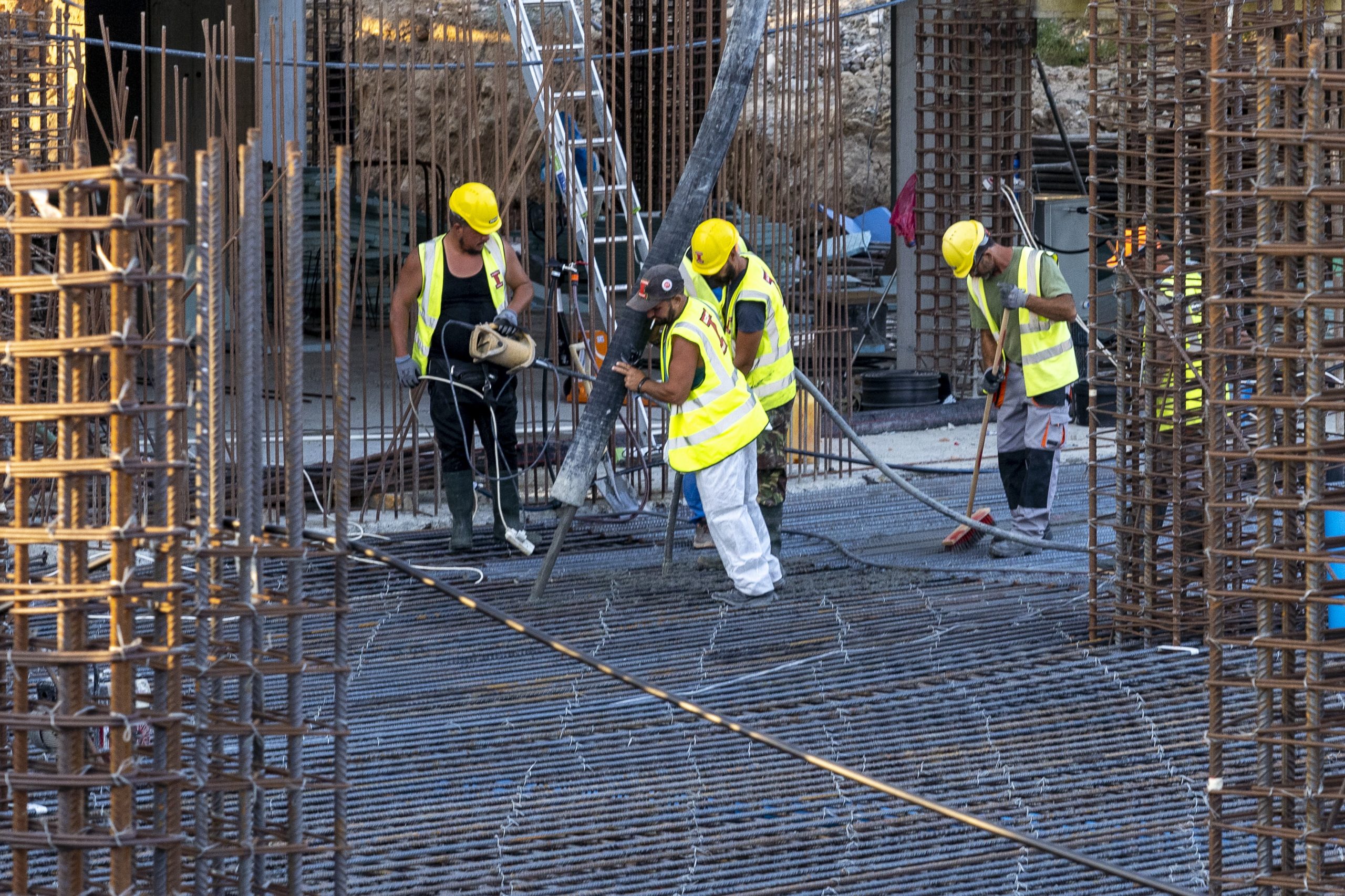
Cement consumption rose 21 percent year‑on‑year in the first eleven months of 2025 . That is a strong indicator of active construction. Cement does not lie. When it is being poured, work is happening.
Yet over the same period, the value of approved building plans in Nairobi fell by 24 percent . Residential approvals dropped even more sharply – down 27 percent .
So more cement is being used, but fewer new projects are being approved. The explanation is straightforward: developers are focusing their resources on finishing existing projects rather than starting new ones.
Knight Frank senior research analyst Charles Macharia puts it directly: the sharp decline in building approvals “signals a market in consolidation mode,” with developers “strategically completing current inventories rather than launching new projects” .
Why Consolidation? Why Now?
Several factors have pushed the market into this phase.
First, the pending bills crisis burned everyone. Contractors who were owed money for completed work became wary of new commitments. Developers who saw their contractors down tools learned to prioritise finishing over starting.
Second, financing has tightened. Banks and institutional lenders are more selective. They want to see proven demand, strong sponsors, and realistic timelines. Speculative projects – the “build it and they will come” kind – are struggling to get funded.
Third, the election is coming. The 2027 general election introduces political uncertainty. Knight Frank notes that most significant office development is now scheduled for delivery after 2027 . Developers are timing their completions to avoid launching just before an election.
Fourth, the market learned from oversupply. The last decade saw too much office space and too many large‑format retail malls. Vacancy rates rose. Rents fell. Investors lost money. The memory is fresh. No one wants to repeat that mistake.
What Consolidation Looks Like on the Ground
Consolidation is not a crisis. It is a phase. And it looks different depending on where you are in the market.
| Sector | What Consolidation Means |
|---|---|
| Residential | Developers are completing apartment blocks launched in 2024‑2025. New launches are limited to projects with strong pre‑sales or proven demand. |
| Office | No significant new office developments are launching. Tenants are consolidating into Grade A buildings. Older stock is being converted or repurposed. |
| Retail | Neighbourhood centres are still being built because they serve daily needs. Large regional malls are on hold. |
| Infrastructure | Government roads and water projects are resuming after the pending bills settlement. This is a different funding stream from private real estate. |
Knight Frank Kenya CEO Mark Dunford summarised the outlook: “2026 will be a year for disciplined execution and strategic positioning. The markets rewarding quality, sustainability, and clear demand fundamentals will thrive, while those chasing speculative growth will pause” .

What This Means for Contractors
For builders and contractors, the consolidation phase creates both challenges and opportunities.
Challenge: Fewer new tenders. With developers pausing new launches, the pipeline of fresh contracts is thinner. Competition for available work will be higher.
Opportunity: Existing clients need you to finish. Developers with active sites are under pressure to complete. They cannot afford delays, disputes, or contractor changes. Reliable contractors who deliver quality work on time will be valued.
Challenge: Cash flow may be uneven. If you relied on a steady stream of new project deposits, you may feel a squeeze. Existing projects often pay in stages tied to milestones, not upfront.
Opportunity: Repeat business from satisfied clients. A developer who finishes a project successfully will remember the contractor who helped them get there. When the market turns – and it will turn – those relationships pay off.
Challenge: Pricing pressure. With fewer projects to bid on, some contractors may undercut each other to win work. This can erode margins.
Opportunity: Differentiation through quality. Clients who have been burned by cheap, fast, poor‑quality work are willing to pay a premium for reliability. Your reputation matters more than your price.

What Developers Are Thinking
To understand where the work is, it helps to understand what developers are prioritising.
Completion is king. Unfinished projects generate no revenue. They carry holding costs. They damage reputation. Developers are laser‑focused on getting existing sites to handover.
Quality matters more than speed. A project that is rushed and defective will cost more in rectification than it saved in time. Developers want contractors who build right the first time.
Sustainability is a differentiator. Dunford’s comment about “quality, sustainability, and clear demand fundamentals” is not accidental. Tenants and buyers are asking about energy efficiency, water conservation, and healthy materials. Developers who can offer these features are finding demand.
Selective new launches. When developers do launch, they are being careful. Smaller projects. Better locations. Pre‑sold units. Anchor tenants secured. The days of launching on a prayer are over.
The Election Factor
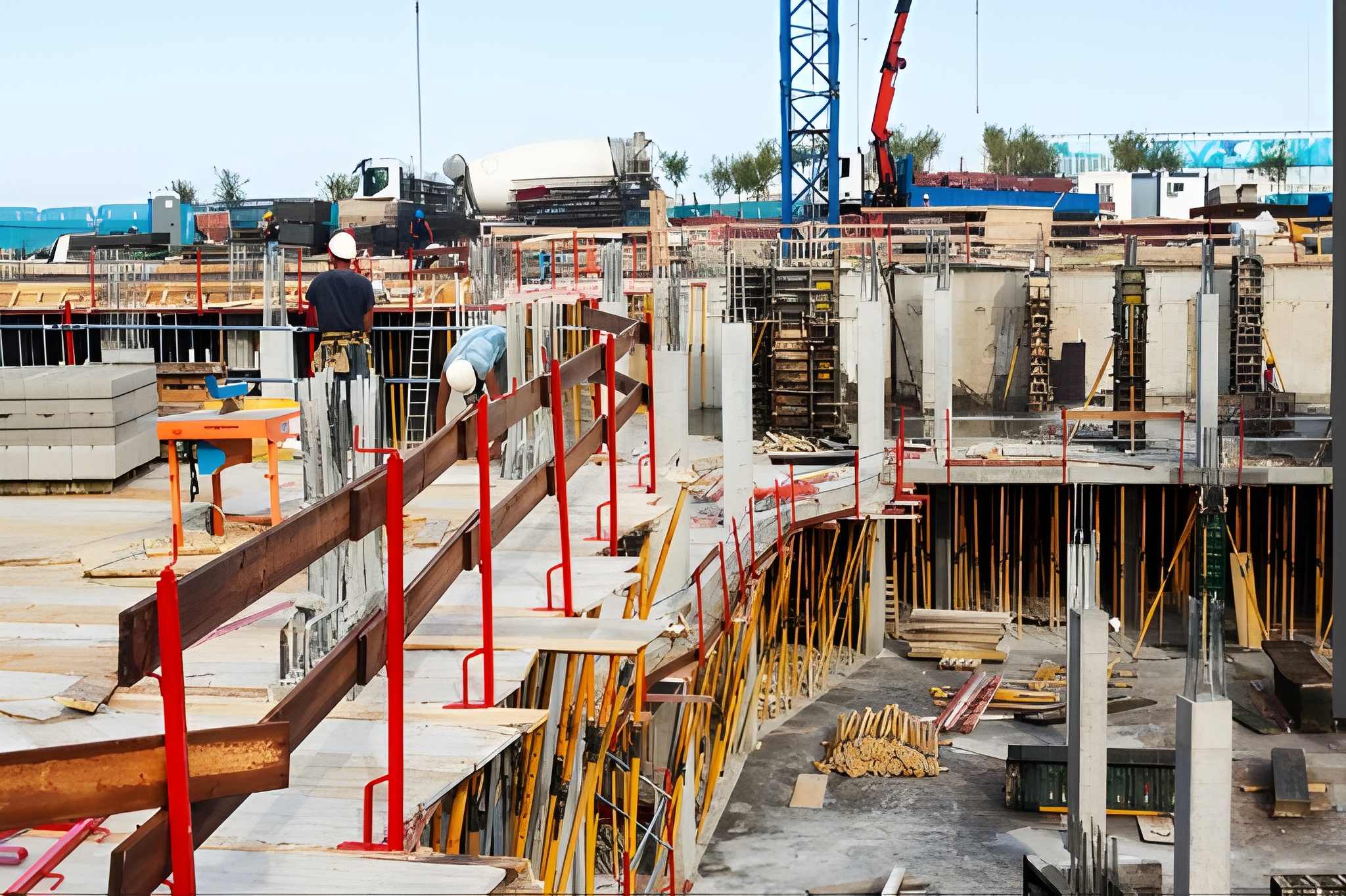
The 2027 election is casting a long shadow. Developers remember previous cycles where political uncertainty froze the market for six to twelve months.
By completing projects now, developers ensure they have stock to sell or lease when the market thaws. By delaying new launches until after the election, they avoid the risk of launching into a distracted, cautious market.
For contractors, this means the second half of 2026 may see a slowdown in new tenders. But it also means that projects completed in 2026 will have less competition from new supply when the market recovers.
What Contractors Should Do Now
Here is practical advice for navigating the consolidation phase.
First, focus on execution. Your existing projects are your most valuable assets. Deliver them exceptionally well. On time. On budget. No defects.
Second, nurture client relationships. Your current clients may be your next clients. Stay in communication. Solve problems before they escalate. Be the contractor they want to work with again.
Third, manage cash flow carefully. With fewer new deposits, your working capital needs may change. Review your payment schedules. Negotiate stage payments that align with your costs.
Fourth, invest in quality systems. The contractors who survive consolidation are the ones clients trust. Invest in safety, training, quality control, and documentation. Make your reliability visible.
Fifth, stay visible in the market. Even if you are not bidding every week, maintain your registrations, update your profiles, and attend industry events. When the market turns, you want to be remembered.
Sixth, prepare for the rebound. Consolidation does not last forever. The housing deficit remains. Urbanisation continues. Infrastructure needs persist. Use this quieter period to build capacity, train staff, and position for the next upswing.

The Bigger Picture
Consolidation can feel like a slowdown. But it is also a cleansing. Weak players are shaken out. Speculative projects are paused. The market resets to fundamentals.
For contractors who are disciplined, reliable, and client‑focused, consolidation is not a threat. It is an opportunity to demonstrate value, build relationships, and emerge stronger.
The cement is still being poured. The sites are still active. The work is still there. It is just different work – work focused on finishing, not starting.
And when the consolidation phase ends – and it will end – the contractors who performed well will be the ones everyone calls first.