The Unseen Driveway Guest
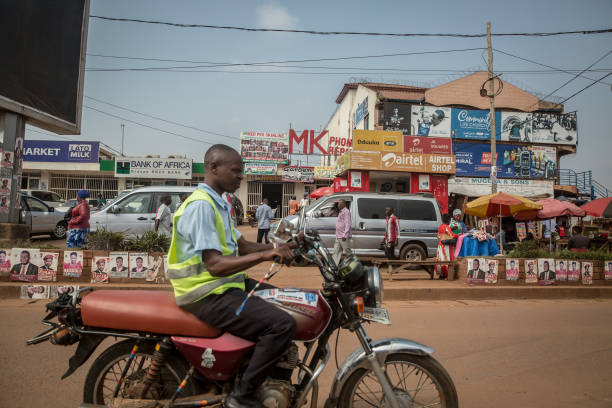
If you have a home in any growing Kenyan suburb—think Kitengela, Ruaka, or parts of Ngong—you know this scene all too well. It’s early morning, and the distinct sputter of a motorcycle echoes outside your gate. Your boda boda guy, trusted and reliable, is already waiting. But where does he wait? He’s parked on the dusty road, leaning against his bike, phone in hand, as the morning sun or afternoon rain beats down. Or maybe, he’s found a sliver of shade from your perimeter wall, his bike partly blocking the street. You feel a twinge of guilt, but what’s the alternative?
For millions of Kenyans, the boda boda is not just a taxi; it’s the lifeblood of daily movement, a courier service, and a mobile food delivery point. It’s the ultimate gig economy tool. Yet, our homes—often designed with the quiet assumption of one or two family cars—have completely ignored this essential part of our ecosystem. We design for the private car, but not for the person who gets us to work when traffic is stuck, who delivers that urgent package, or who becomes a fixture in our daily routines.
Here’s a thought that might sound strange at first: what if we stopped seeing the boda boda as a temporary visitor and started seeing it as part of the household’s operational network? What if your home could actively participate in, and even benefit from, this massive informal economy? This isn’t about just building a bigger parking bay. It’s about architecting for the “Boda Boda Economy.” It’s about designing homes with built-in charging hubs and dedicated lounges, turning a logistical headache into an asset.
More Than a Parking Spot: The Charging Hub as Essential Utility
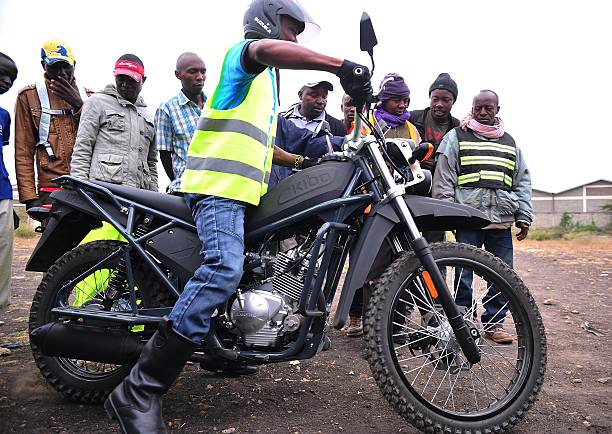
Let’s start with the biggest shift: electricity. The future of bodas is electric. With rising fuel costs and a global push for sustainability, e-bikes are quietly rolling into the market. The forward-thinking homeowner now has an opportunity. Imagine a small, secure, and weatherproof shed near your service gate, not for tools, but for two or three e-bikes.
This isn’t just a shed. It’s a strategic charging hub. Equipped with secure locking points, standard and fast-charging sockets, and maybe even a small solar panel on its roof to offset the cost. For your regular boda guy, this becomes a priceless resource. A full battery means more rides, more income. For you, it creates a powerful bond of mutual benefit. You offer a unique service that cements loyalty and reliability. It’s a simple equation: you provide the “fuel,” and in return, you get priority service, perhaps even a slight discount on rides. You’re not just a client; you’re a strategic partner in their hustle.
The Boda Lounge: Dignity, Security, and a Cup of Tea
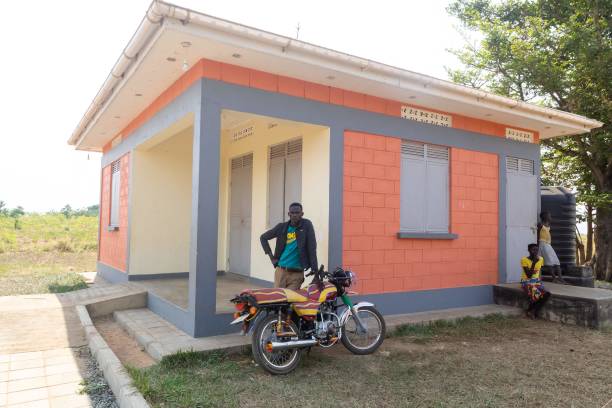
Now, let’s address the human element. Where does the rider wait? The concept of a “Boda Lounge” is a small but revolutionary act of design empathy. This isn’t a fancy room; it’s a simple, roofed space attached to the charging hub or near the guard’s post. Its features are basic but profound:
- A weatherproof bench.
- A power point for charging phones (the real tool of their trade).
- A small, lockable cabinet where a regular rider could keep a spare helmet or rain jacket.
- A basic water dispenser or even just a sufuria for making tea.
The impact is immense. It transforms a rider’s experience from one of waiting on the street—exposed and uncomfortable—to waiting in a dignified, secure space. It shows respect. This small gesture can foster incredible goodwill and turn your home into a preferred node in their daily network. For a homeowner, it also moves the rider from the roadside into a designated, monitored area, improving both security and street aesthetics.
The Compound as a Micro-Economic Hub
This is where the vision expands. A home with a dedicated, secure charging hub and lounge doesn’t just serve your personal rider. It can become a micro-depot. Could your trusted rider, for a small monthly fee, use it as a base to charge one or two other bikes in his network? Suddenly, your compound is generating a tiny, passive income stream.
Think of the other services. Your home becomes the perfect, trusted address for package pick-ups and drop-offs. For small online businesses run from the estate, your secure hub could be the local collection point. You’re designing logistical efficiency into the very fabric of your property.
Building the “Boda-Ready” Home: A Practical Blueprint
So, how do we make this real? At Lanny Builders, we see it as integrating a new module into our designs:
- Location: A dedicated zone near the secondary/service entrance, separate from the main car park but within view of the main house or guard point.
- Structure: A clean, robust shed built with materials that match the main house—think stone cladding or durable timber. It must have good ventilation, security lighting, and a proper roof to handle the rains.
- Infrastructure: Wiring planned from the start, with a dedicated meter or connected to a solar inverter system. Waterproof sockets and strong anchor points for bike locks are essential.
- The Lounge: A simple, open-sided structure with a comfortable, easy-to-clean surface. It should feel integrated, not like an afterthought.
The Bigger Picture: From Isolation to Integration
Ultimately, designing for the boda boda economy is about one thing: recognizing reality and building for it. Our cities are shaped by these bikes. Our daily lives depend on them. By designing our homes to engage with this system thoughtfully, we do more than solve a parking problem.
We build mutual respect. We create micro-opportunities. We design homes that are not isolated castles, but connected, intelligent nodes in the vibrant, buzzing network that is modern Kenya. We move from simply living in a community to actively designing a small, functional part of its ecosystem. It’s a small shift in thinking that can make your home more useful, more connected, and more genuinely Kenyan.
Is your next home ready for the hustle? At Lanny Builders, we’re thinking ahead to build homes that work for the Kenya of today, and tomorrow. Let’s design a space that doesn’t just hold your car, but powers your movement.
Lanny Builders Limited – Building for Your Reality.