This July, something unusual will take shape on the grounds of Kenyatta University. A pavilion. Not an ordinary one made of standard concrete blocks and steel beams. A structure built with Textile Reinforced Concrete (TRC) —a material so thin, so strong, and so efficient that it could change the way Kenya thinks about building.
The project brings together architecture, environmental engineering, and civil engineering students from EPFL Switzerland with local architects and students from Kenyatta University. Together, they will construct a prototype that is part classroom, part laboratory, and part statement about where construction materials are heading.
What Is Textile Reinforced Concrete?
To understand why this matters, you need to understand what TRC is and why it is different from the concrete we see everywhere in Kenya.
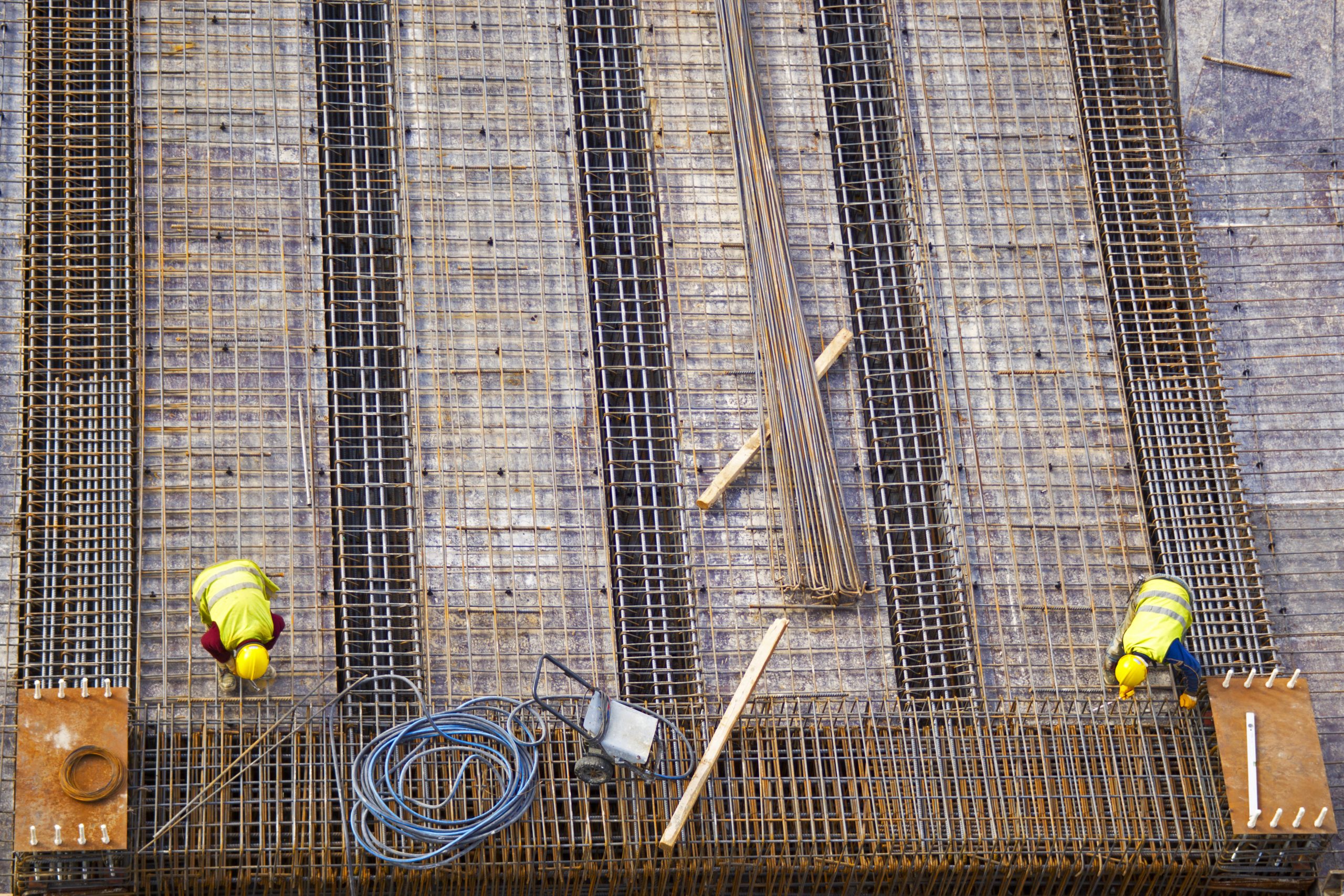
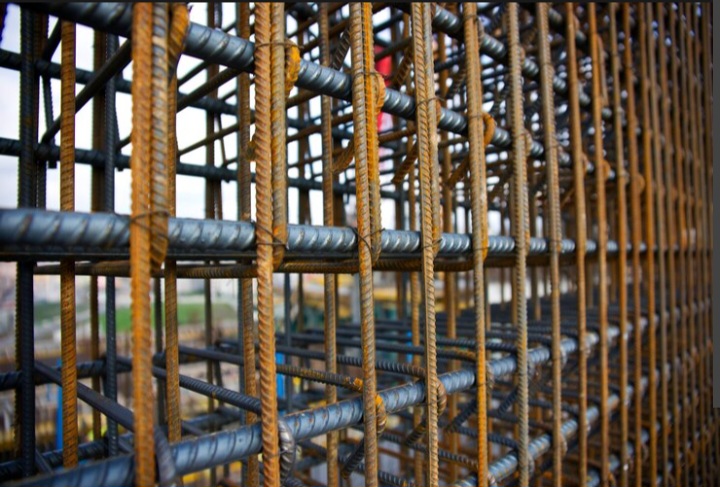
Traditional concrete is strong in compression but weak in tension. That is why we reinforce it with steel bars—rebar. The steel carries the tension, the concrete carries the compression. Together, they work. But steel reinforcement requires thick concrete cover to protect the steel from corrosion. That thickness means weight. That weight means material. That material means cost and carbon.
Textile Reinforced Concrete replaces steel rebar with a carbon textile reinforcement —a woven mesh of carbon fibres that is incredibly strong, lightweight, and corrosion-resistant. The cementitious matrix is made with low-clinker-content binders such as LC3 (Limestone Calcined Clay Cement) , a type of cement that can reduce manufacturing CO₂ emissions by up to 40 percent compared to ordinary Portland cement .
Because the textile does not corrode, the concrete cover can be dramatically thinner. The result is structures that are exceptionally thin, durable, and materially efficient . Less material. Less weight. Less carbon.
Why This Pavilion Is Not Just Another University Project
Kenya has seen prototype buildings before. Many have remained academic exercises. This one is different for several reasons.
First, the material is being developed with local context in mind. LC3 is made using locally available clays. The project partners include Kenyan universities and researchers. The goal is not to import a Swiss solution, but to adapt a global technology to local materials, skills, and conditions.
Second, the pavilion has a permanent function. It is being built as a Multi-Purpose Space for the Department of Architecture & Interior Design (DAID) at Kenyatta University . It will support academic, social, and experimental activities. It is not a one-off showcase to be dismantled after a conference. It is a working building that will serve students and staff for years.
Third, it functions as a living laboratory. Once built, it will be monitored. Students will study its performance. Researchers will test variations. It becomes a teaching tool that demonstrates, in real time, what advanced materials can do.
The Materials Story
Let us break down the two key components because they matter for any builder thinking about where the industry is headed.
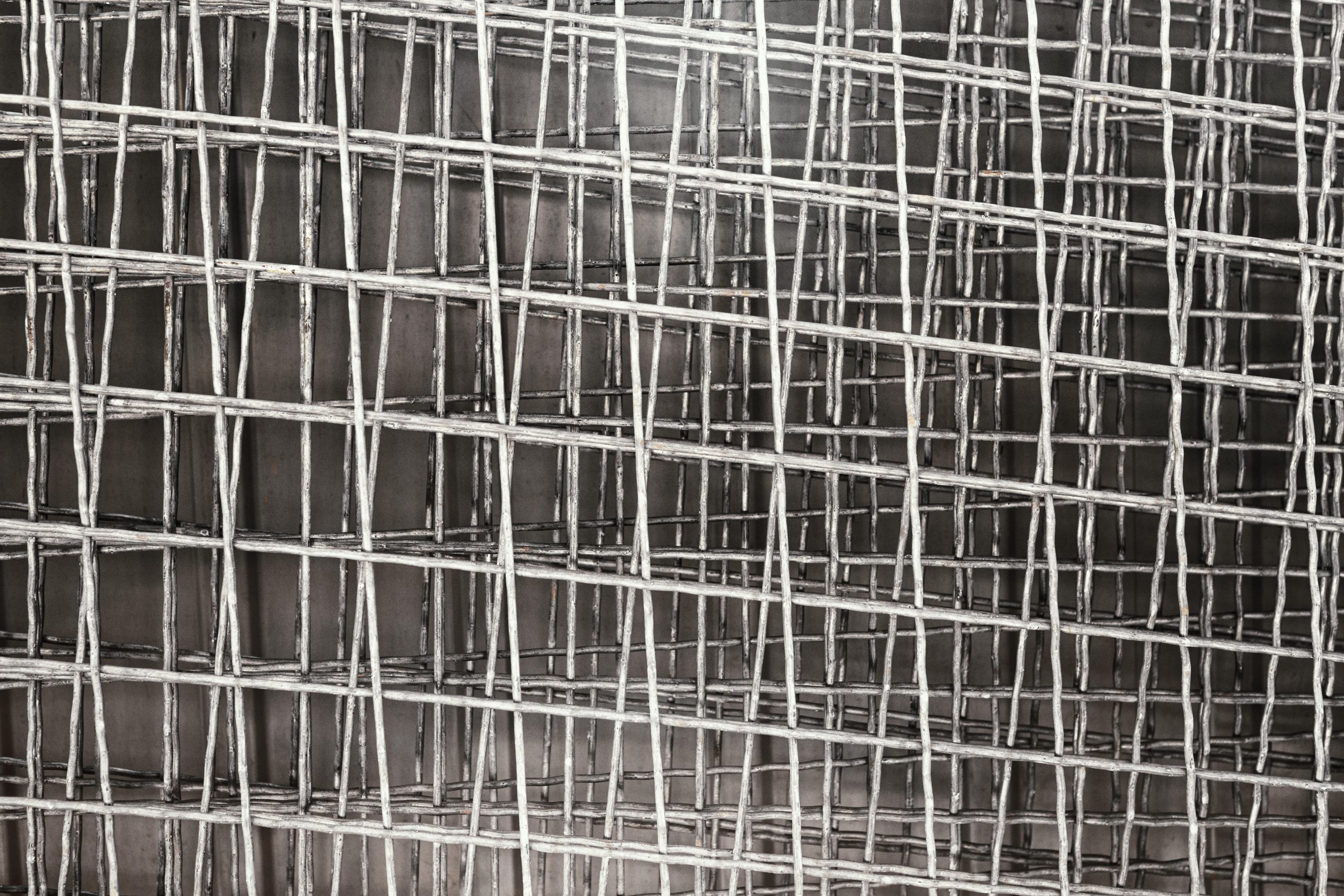
Carbon textile reinforcement is a mesh of carbon fibres embedded in a polymer matrix. It is strong, stiff, and does not rust. Because it is flexible, it can be shaped into complex forms that would be difficult with steel rebar. Because it is thin, the concrete layer around it can be as little as a few centimetres instead of the typical ten or fifteen required for steel.
LC3 (Limestone Calcined Clay Cement) is a blend of clinker, calcined clay, and limestone. It was developed as a lower-carbon alternative to ordinary Portland cement, which is responsible for about 8 percent of global CO₂ emissions. LC3 can reduce those emissions by up to 40 percent while maintaining comparable strength and durability. Crucially for Kenya, the clays needed are widely available across the country .
The combination of these two materials allows for structures that use far less material overall. Less cement means less carbon. Less steel means less embodied energy. Thinner elements mean less weight, which can translate to smaller foundations, lower transport costs, and easier construction.
What This Means for Kenyan Builders
For the average contractor, textile reinforced concrete is not something you will pour next week. The equipment and expertise are still concentrated in research institutions. But that is not the point. The point is direction.
First, low-carbon cement is coming. LC3 is already being produced commercially in several countries. Cement manufacturers in Kenya are aware of the technology. As the Kenya National Building and Construction Decarbonization Roadmap rolls out, demand for lower-carbon binders will grow. Builders who understand LC3—what it is, how it behaves, where to source it—will be ahead of the curve.
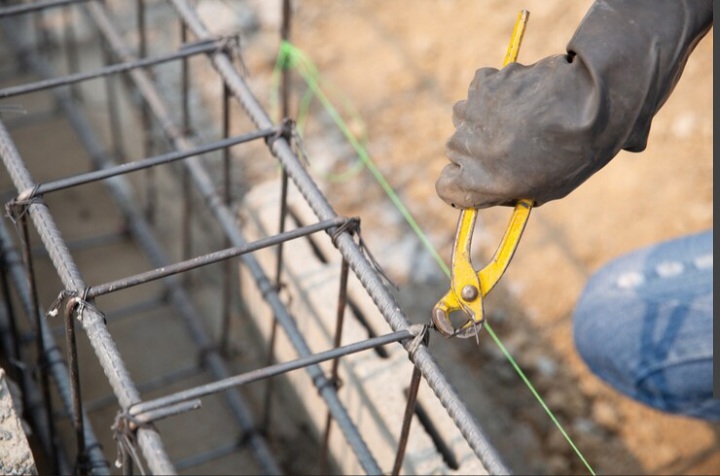
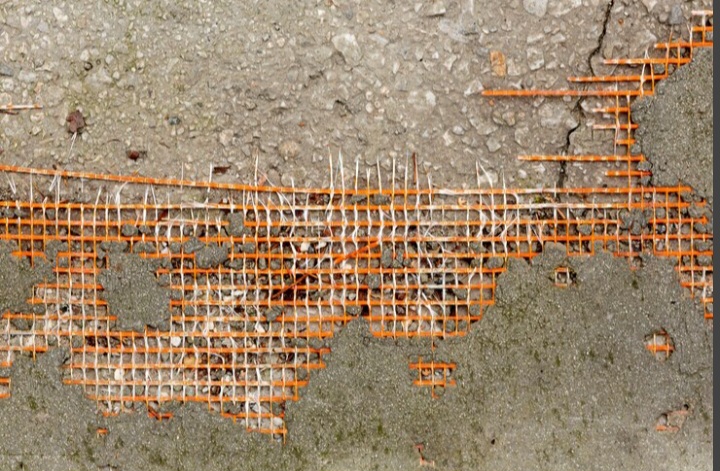
Second, reinforcement systems are evolving. Steel rebar has been the standard for generations. But alternatives like textile reinforcement, glass-fibre reinforced polymer (GFRP), and basalt fibre are emerging. Each has trade-offs. Builders who pay attention to pilot projects like this one will be better equipped to evaluate new systems when they become commercially viable.
Third, material efficiency is becoming a competitive advantage. The days of over-specifying “just to be safe” are ending. Clients are asking for value. Regulators are asking for sustainability. Engineers are asking for optimisation. Projects that use less material without compromising safety or durability will win.
The Research-to-Practice Pipeline
One of the most important aspects of this project is that it is happening in partnership with Kenyan students and professionals. It is not foreign experts building something and leaving. It is knowledge transfer.
The architecture and engineering students working on the pavilion will take what they learn into their careers. Some will become consultants specifying materials. Some will become contractors executing designs. Some will become educators teaching the next generation.
This is how a technology moves from a university demonstration to industry practice. It takes years, sometimes decades. But it starts with a built project that people can see, touch, and learn from.
.
The Kenyan Context
Why does this matter in Kenya specifically? Because Kenya is building. Rapidly. The Affordable Housing Programme alone will consume vast quantities of cement and steel. If even a fraction of that demand can be met with lower-carbon, more efficient materials, the environmental and economic impact is significant.
Cement manufacturing is energy-intensive and emits large amounts of CO₂. Kenya imports significant quantities of clinker, meaning foreign exchange leaves the country. LC3, made with local clays, reduces imports. It supports local industry. It aligns with the government’s manufacturing and local content agendas.
Carbon textile reinforcement is not yet made in Kenya, but the technology is not out of reach. The global supply chain exists. As demand grows, local manufacturing could follow.
The Bigger Picture
This pavilion is one building. Thin walls and a lightweight roof. But it sits within a larger story about how the construction industry globally is rethinking its most basic materials.
Concrete is not going away. It is too useful, too versatile, too familiar. But the concrete of 2036 will not be the concrete of 2026. It will use less clinker. It will use less steel. It will be optimised for performance, not just strength. It will be designed with carbon in mind.
The pavilion at Kenyatta University is a glimpse of that future. It is not a finished product ready for mass adoption. It is a prototype, an experiment, a lesson. But lessons matter. They teach the engineers, architects, and contractors who will one day build differently.
For builders willing to pay attention, this project offers a window into what is coming. Low-carbon cement. Advanced reinforcement. Material efficiency. These are not distant concepts. They are being tested, in Kenya, right now.