The Great Wall Paradox
Let’s be honest, if you drive through the estates of Nairobi, from Kileleshwa to the leafy suburbs of Karen, or even the newer developments off Thika Road, one thing defines our architecture more than anything else: the wall. And not just any wall. We’re talking about the 7-foot, 8-foot, sometimes 10-foot solid barrier, crowned with electric fencing, steel spikes, and maybe a discreet camera or two. We build them for one very good reason: security. To keep our families and our hard-earned investments safe. But have you ever stopped to think about what these walls do to us? To our sense of community, to our connection with the street, to the very light and air in our homes?

We create these magnificent, modern homes inside—open plan, full of light—and then we box them into what can start to feel like a very beautiful, very private prison. You know the feeling. You arrive home, the electric gate groans open, you drive into the compound, and it shuts with a definitive clang. The outside world is gone. But so, sometimes, is a sense of openness. It’s the great Kenyan paradox: we build for safety, but sometimes at the cost of our own spatial happiness.
Here at Lanny Builders, after years of crafting these secure spaces, we’ve started asking a different question. What if true security isn’t about hiding? What if, in fact, the best defence is strategic visibility? What if we could design a perimeter that says “karibu” to light and air, but “hata kidogo” to any ill intent? This isn’t just theory; it’s a growing design philosophy we’re calling the “See-Through Fortress.”
The Psychology of the “See-Through” Barrier
The principle is simple but counterintuitive to our established norms. A solid wall creates a blind spot. It gives a potential intruder cover and secrecy on the other side. You can’t see them, and they can’t see you. It creates a shroud of uncertainty.
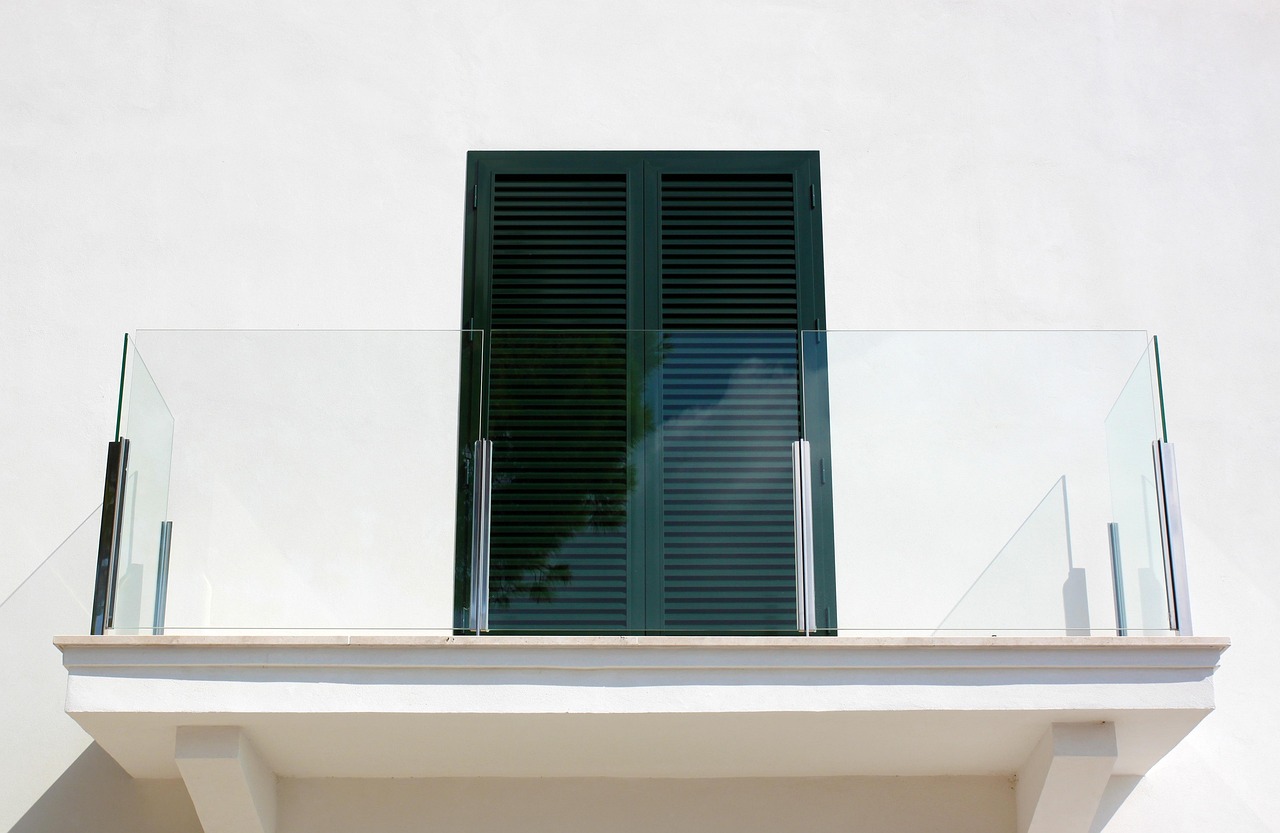
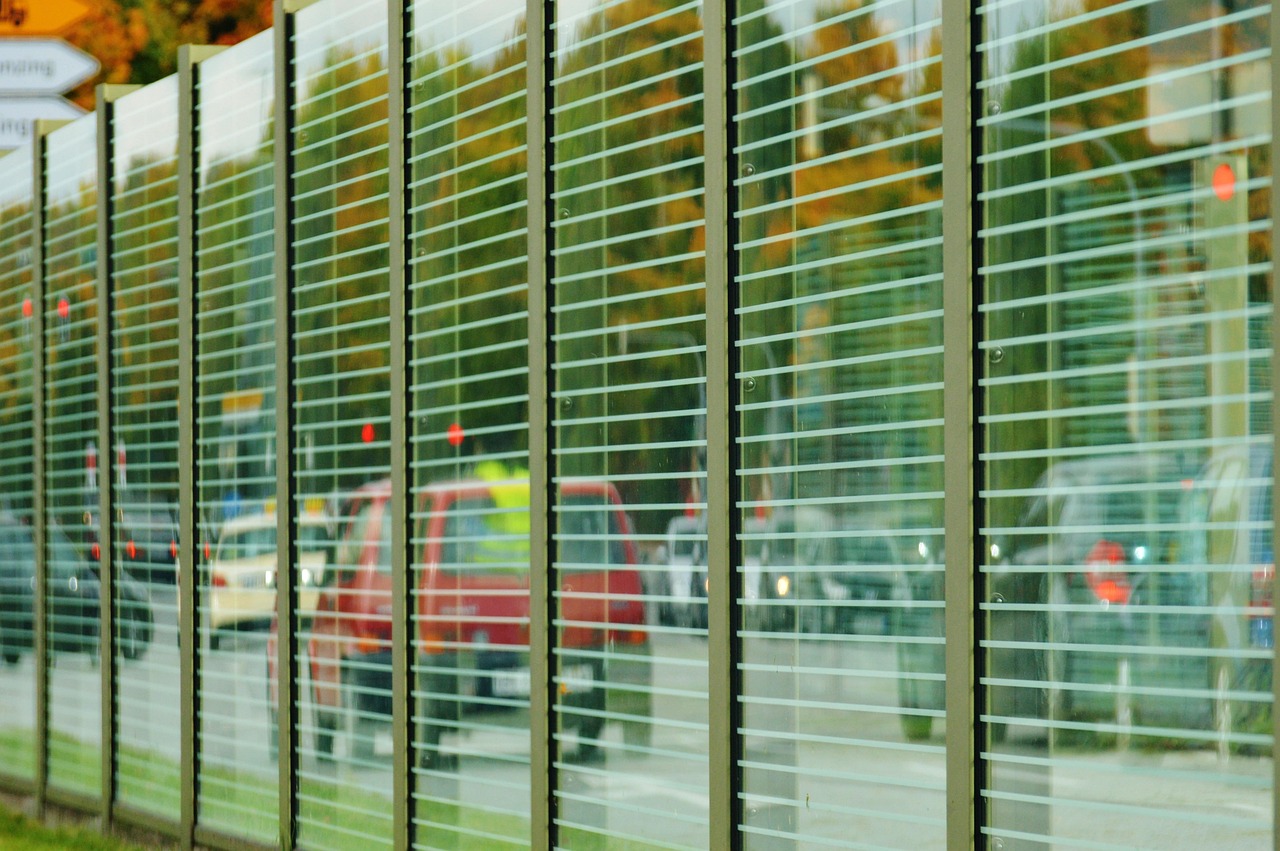
Now, imagine a perimeter made of artistic laser-cut steel sheets, durable reinforced lattice, or even strategically placed vertical concrete fins. From inside your compound, you have a filtered view of the street. You can see the mkokoteni guy passing, your neighbour washing their car, kids playing. From the outside, one can glimpse the beauty of your garden, the movement inside the house. This visual connection does two powerful things:
- It Eliminates the Shroud of Secrecy: Anyone approaching the boundary is visible, not hidden. This acts as a powerful psychological deterrent. Crime often thrives on concealment.
- It Fosters Casual Surveillance: Your neighbours, passers-by, and even your own security guard can see more. It subtly engages the “eyes on the street,” a concept championed by urban thinkers, creating a softer, more organic layer of security.
It’s about replacing the message of “Keep Out!” with a more sophisticated “You Are Clearly Seen.”
The Toolkit for a Modern, Open Fortress
So, how do we translate this idea into a practical, Kenyan-proof design? It’s about layering three key elements:
1. The Intelligent Lattice Wall
This is your first line of redefined defence. Forget the flimsy decorative screen. We’re talking about structures made from powder-coated steel, reinforced concrete blocks with geometric cut-outs, or even treated hardwood arranged in robust patterns. The design is key: the openings must be too small for a person to climb through, but large enough to allow light and sightlines. A favourite of ours is incorporating cultural motifs—like Maasai shield patterns or flowing river designs—into the laser-cut steel. It becomes a statement of identity, not just a barrier. We pair this with a sturdy, but visually lighter, sliding gate made of similar materials.

2. The “Moat Garden” or Bioswale
Now, let’s add a second, beautiful obstacle. Directly inside your see-through wall, we create a landscaped trench or a raised garden bed filled with dense, thorny, and visually stunning indigenous plants. Think crown of thorns, prickly pear, or even well-maintained roses. This is your modern moat. It creates a clear, no-go physical and psychological zone between the wall and the main living area. It says, “Even if you saw through the wall, you have another challenging, noisy (think gravel paths), and prickly layer to cross.” Plus, it becomes a fantastic feature for biodiversity, attracting birds and butterflies, and managing stormwater runoff—a major plus in our rainy seasons.
3. The Strategic Weapon: Light
This is where technology and design merge perfectly. A solid wall casts a deep, dark shadow—a friend to intruders. A see-through wall allows light to pass. We then take control of that light with a smart, layered lighting plan:
- Wall-Washing Lights: Fixtures mounted on your house that graze light across the compound towards the perimeter, eliminating dark corners and ensuring the lattice or screen is backlit. This makes anyone approaching it into a clear silhouette from inside.
- In-Ground Uplighting: Placed within your “moat garden,” these lights throw dramatic upward shadows of your defensive plants onto the see-through wall, creating a moving, living pattern that makes it difficult to see into the compound at night from a distance, while you maintain your outward view.
- Smart Motion Sensors: Integrated not just with alarms, but with gentle light sequences. A detected motion at the perimeter could trigger a specific garden light to pulse softly, alerting those inside without the jarring scream of a siren.
A Vision for a More Open Kenya
Imagine coming home to such a place. You turn off the main road, and instead of a blank, imposing facade, you see the glow of your garden through a beautiful, crafted screen. The gate slides open, you enter, and you are not in a concrete box. You can hear the street life, feel a breeze, see the sky. You feel secure, but not sequestered.
This approach isn’t for everyone, and it requires a shift in mindset. It works best when complemented by the standard layers of security we all trust—good alarms, trusted personnel, and community watch groups. But it represents a move towards more intelligent, more humane design.
It’s about building for the Kenyan reality—where safety is non-negotiable—but also for the Kenyan spirit, which thrives on openness, light, and connection. We believe you shouldn’t have to choose between feeling safe and feeling free in your own home.
Ready to rethink your boundaries? At Lanny Builders, we’re passionate about designing homes that protect without imprisoning. Talk to us about how we can bring light, air, and intelligent security to your next project.
Lanny Builders Limited – Crafting Spaces, Building Trust.