If you are a contractor in Nairobi, you have likely been watching the city’s roads, water pipes, and sewer lines age with a mix of frustration and opportunity. Frustration because the infrastructure has struggled to keep up with the city’s growth. Opportunity because eventually, someone has to fix it.
That time has arrived.
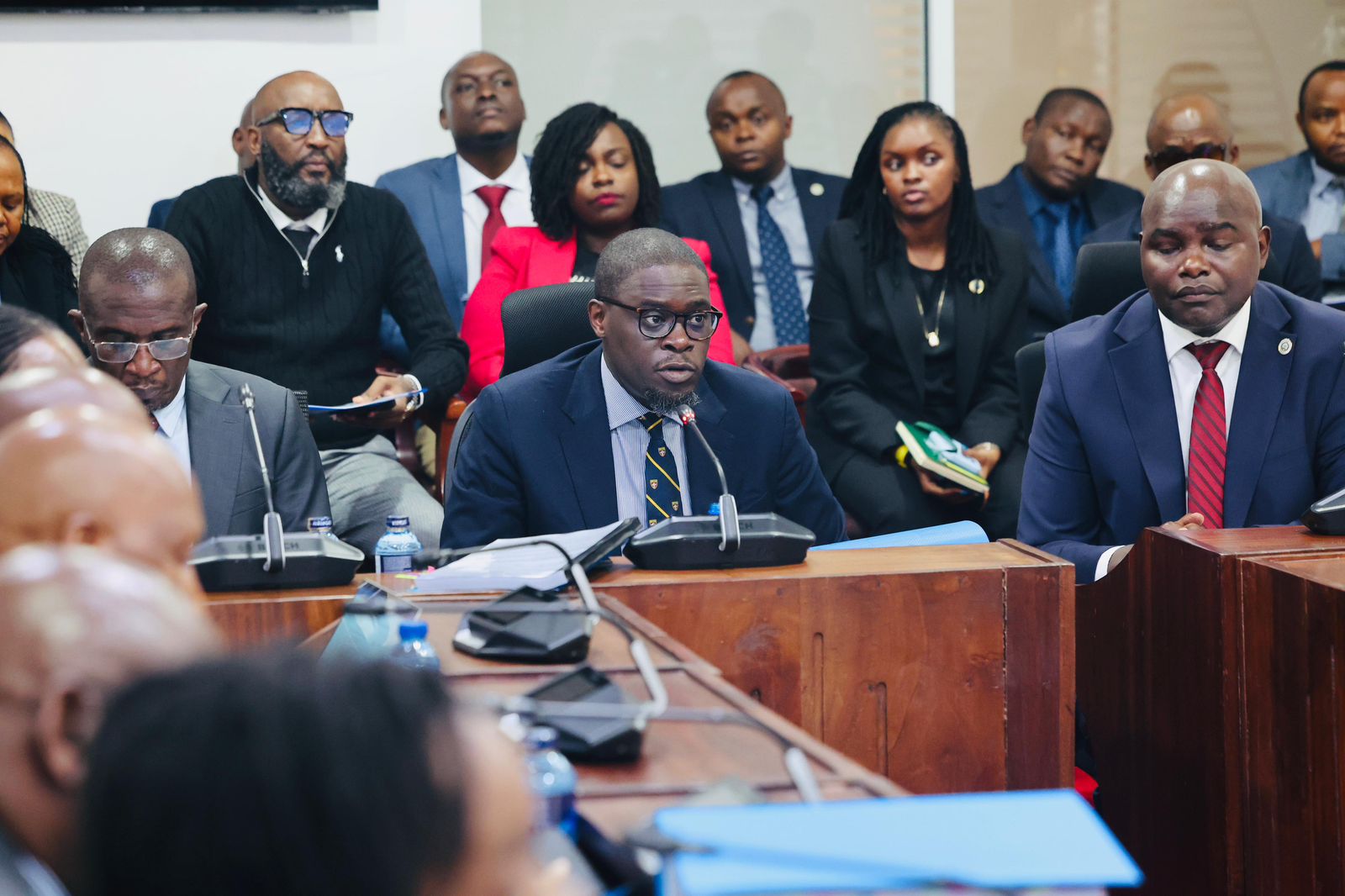
In March 2026, Nairobi Governor Johnson Sakaja outlined how an additional Sh80 billion development fund for the capital will be spent under the Nairobi Rising agenda . The funds come from a cooperation agreement between the national government and Nairobi City County, and the breakdown tells you exactly where the work is.
The Numbers That Matter
Let us start with the headline. Sh80 billion is not loose change. It is a committed, budgeted investment in the city’s physical infrastructure. And unlike some development pledges that remain vague, this one comes with a detailed line‑by‑line breakdown.
| Sector | Allocation | Key Projects |
|---|---|---|
| Sewerage and sanitation | Sh33 billion | Two parallel 27‑kilometre trunk sewer lines along the Nairobi River corridor; a new sewer treatment plant processing 60,000 cubic litres daily; expanded last‑mile sewer connections |
| Long‑term sewer expansion | Sh15 billion | Phased expansion of sewer network to underserved areas |
| Roads, bridges, and drainage | Sh8.7 billion | Sh2 billion to fast‑track roads under Kenya Urban Roads Authority; bridges and drainage improvements |
| Energy and lighting | Sh8.5 billion | Sh3.7 billion for 50,000 new street lights; Sh1.5 billion for transformers and last‑mile connections; Sh3.3 billion for prepaid metering and lighting in informal settlements |
| Water supply | Sh5.1 billion | Upgrades at Ng’ethu Water Treatment Plant; Gigiri–Shauri Moyo water evacuation corridor |
| Solid waste management | Sh6 billion | Combined national and county funds for waste collection, transfer stations, and disposal |
These numbers are not aspirations. They are approved allocations. The tenders are coming.
What This Means for Different Contractors
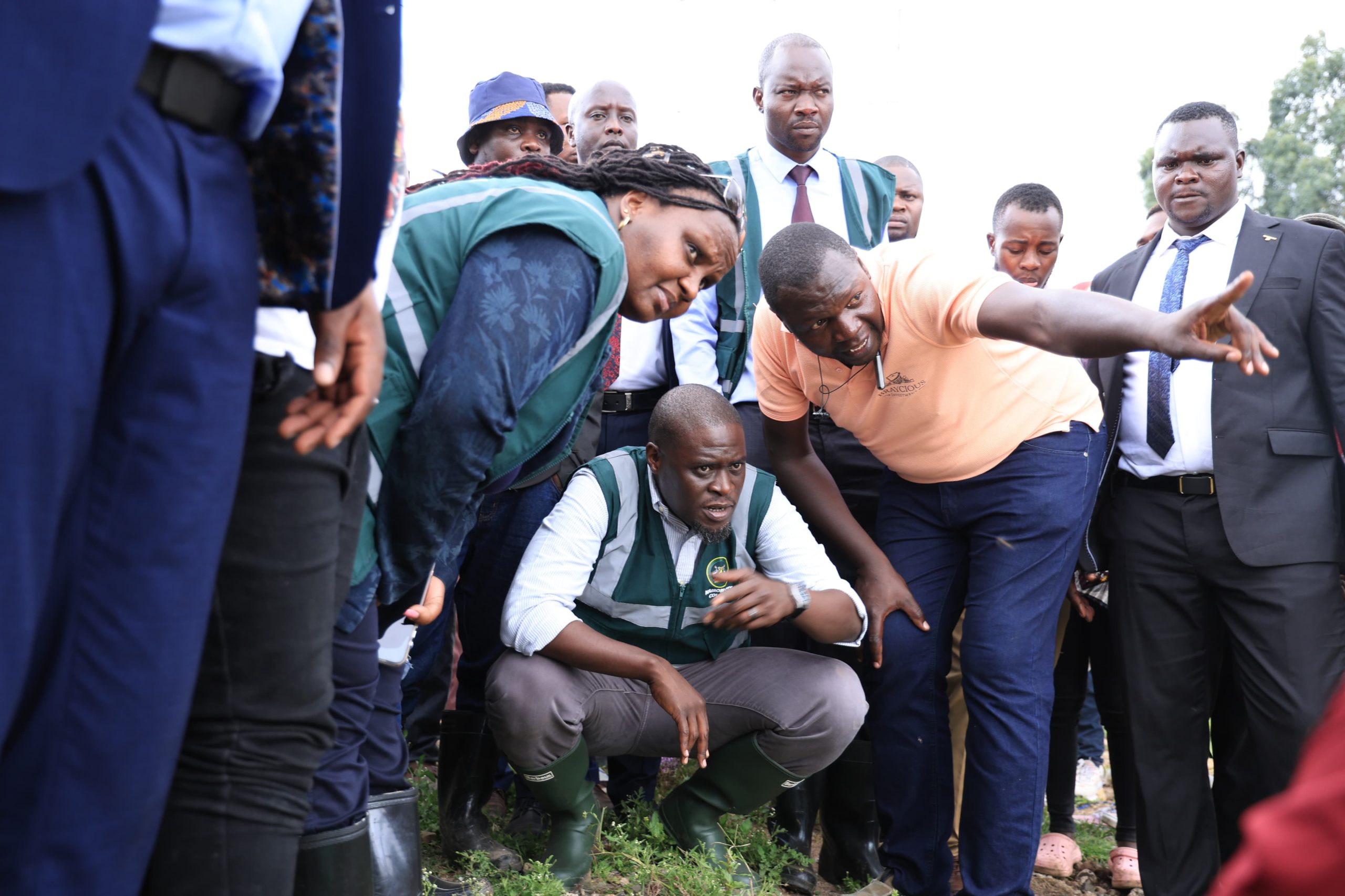
The scale of this investment means opportunities across the construction sector. Let us break it down by contractor type.
For civil engineering contractors: The Sh33 billion sewer package is the largest single item. Two 27‑kilometre trunk lines along the Nairobi River corridor is a major earthworks and pipeline installation project. The new sewer treatment plant is a significant concrete structure with mechanical and electrical components. If you have experience in water and sewer infrastructure, your skills are directly relevant.
For road construction contractors: Sh8.7 billion for roads, bridges, and drainage. The Sh2 billion fast‑track component under Kenya Urban Roads Authority means quick‑mobilisation projects. These are not multi‑year mega‑highways. They are targeted urban road upgrades designed to deliver visible results quickly. Firms that can mobilise fast and deliver quality work will find opportunities.
For electrical contractors: Sh8.5 billion for energy and lighting. Fifty thousand new street lights is a massive installation programme. It requires procurement, installation, and maintenance capacity. The transformer and last‑mile connections component adds electrical distribution work. The Sh3.3 billion for prepaid metering and lighting in informal settlements is a specialised but substantial package.
For mechanical and plumbing contractors: The water supply upgrades at Ng’ethu Water Treatment Plant and the Gigiri–Shauri Moyo water evacuation corridor involve pumps, pipes, valves, and treatment equipment. The sewer treatment plant similarly requires mechanical and electrical expertise.
For waste management firms: Sh6 billion for solid waste management. This is not traditional construction, but it involves building transfer stations, upgrading disposal sites, and procuring equipment. Firms in the environmental and civil space should be watching.
The Nairobi River Sewer Project: A Closer Look
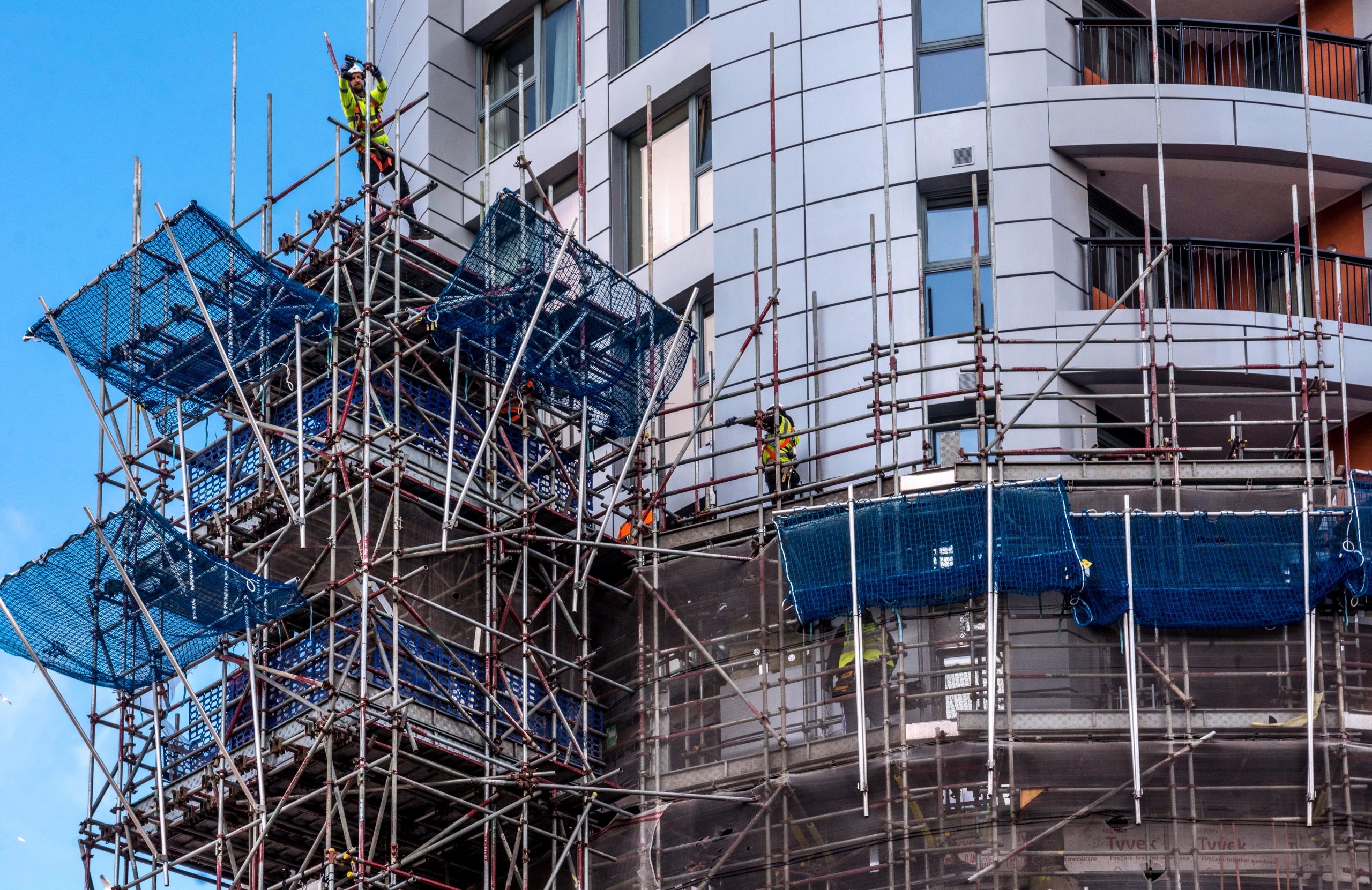
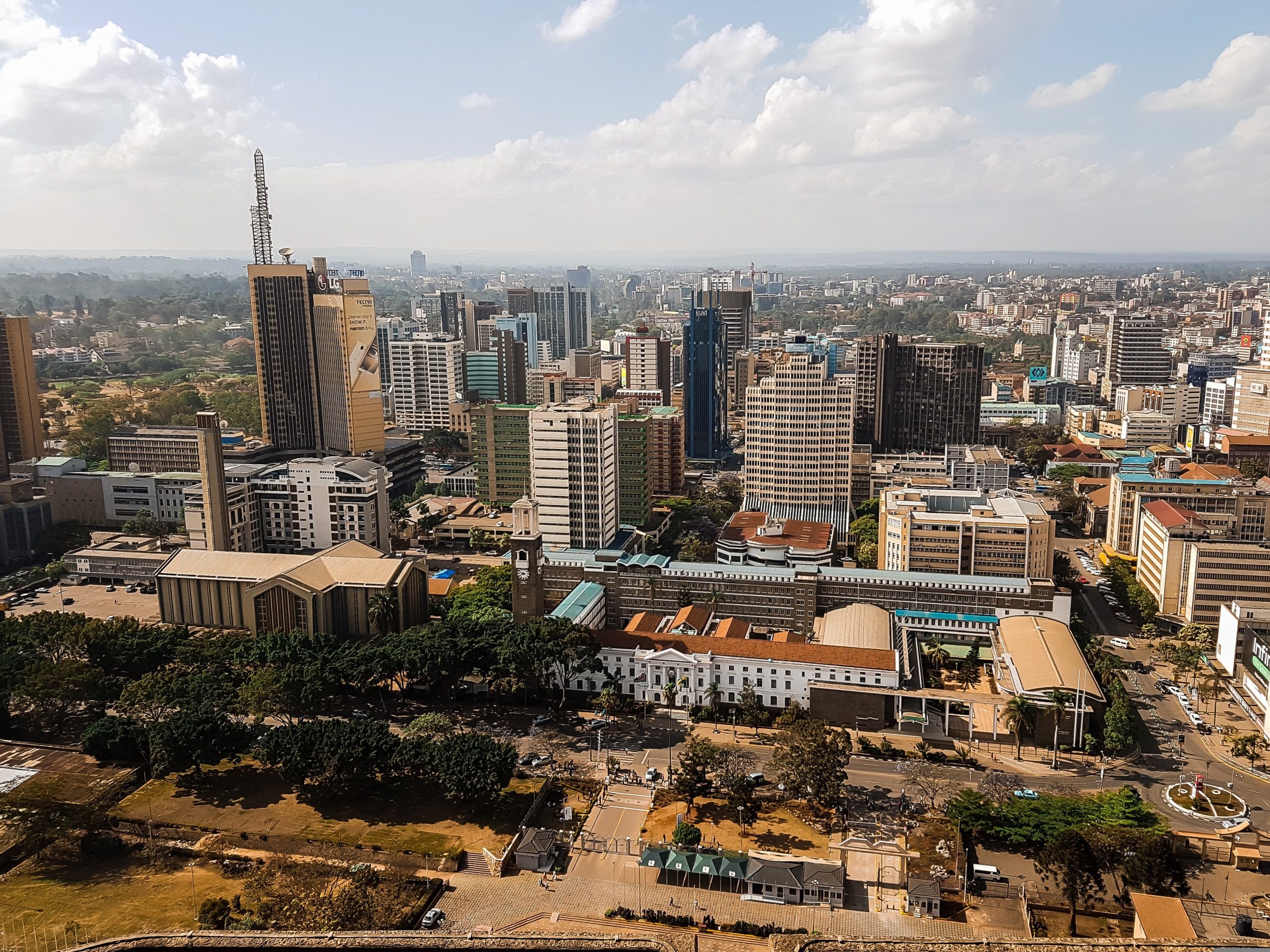
The largest single allocation—Sh33 billion for sewerage and sanitation—deserves special attention. The centrepiece is two parallel 27‑kilometre trunk sewer lines along the Nairobi River corridor .
This is a challenging project. The Nairobi River corridor is densely populated, environmentally sensitive, and logistically complex. But it is also where the city’s oldest sewer infrastructure sits. Replacing it with modern, high‑capacity lines will transform sanitation for hundreds of thousands of residents.
The project also includes a new sewer treatment plant processing 60,000 cubic litres daily . That is a major concrete and mechanical installation. And the expanded last‑mile sewer connections mean getting pipes from the trunk lines into individual households and businesses—a distribution network that creates work for smaller contractors.
The Roads Component: Fast‑Tracked and Targeted
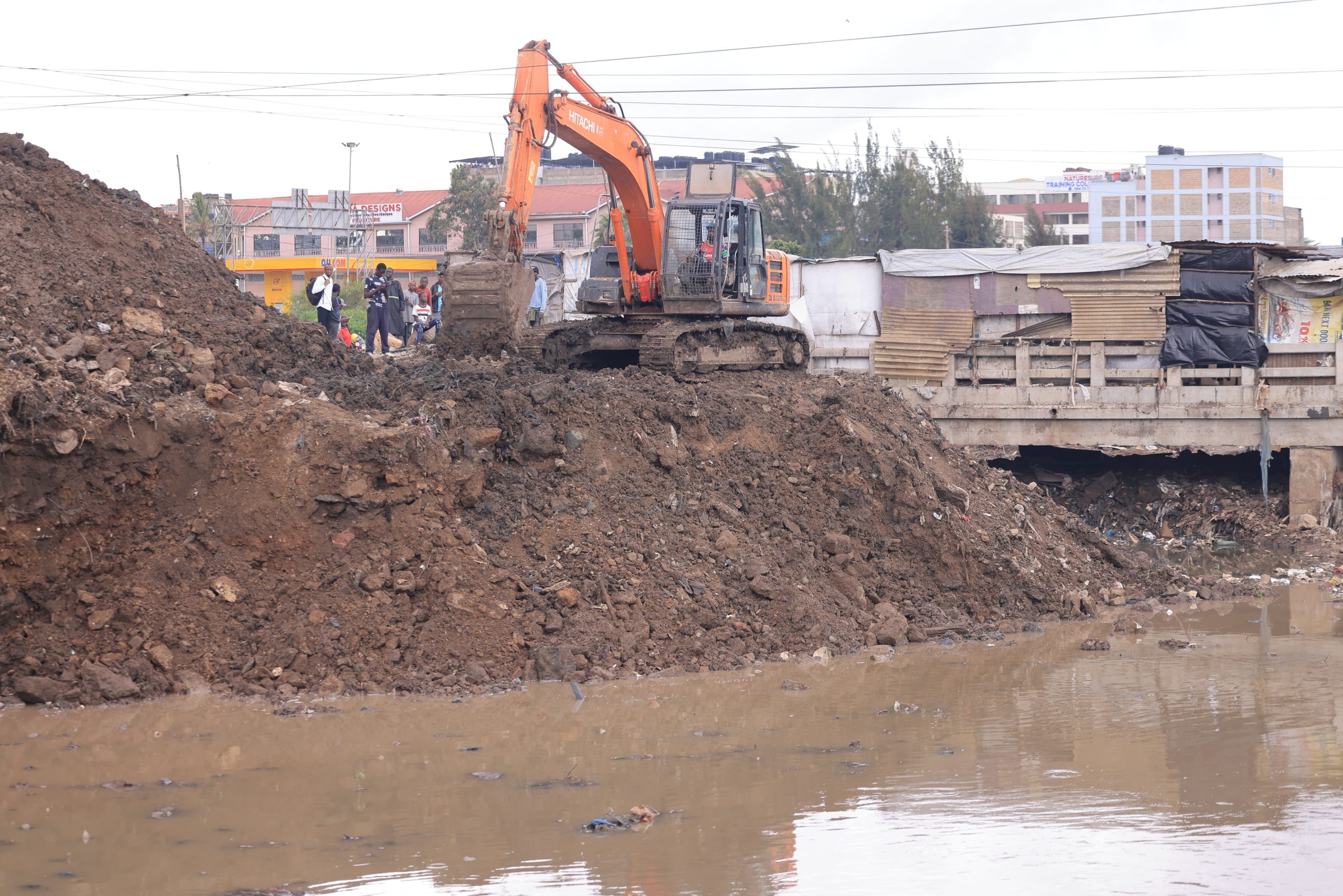
The Sh2 billion fast‑track component under Kenya Urban Roads Authority is structured differently from typical road contracts. These are projects designed to be completed quickly—often within months rather than years.
For contractors, this means:
- Shorter project timelines
- Faster payment cycles
- Lower risk of cost escalation
- High visibility for successful delivery
The trade‑off is that these projects require firms that can mobilise immediately, manage resources efficiently, and deliver quality work under tight schedules. If your firm has a track record of on‑time delivery, these contracts are worth pursuing.
The Lighting Programme: Scale and Reach
Fifty thousand new street lights is a city‑wide programme. It covers not just the central business district but also residential areas, informal settlements, and peripheral neighbourhoods.
For electrical contractors, this scale creates opportunities for both large packages and smaller sub‑contracts. The Sh3.7 billion allocation for the lighting component suggests a substantial per‑unit cost that includes not just the lights but also poles, wiring, and installation.
The Sh3.3 billion for prepaid metering and lighting in informal settlements is a separate but related opportunity. Informal settlements are often off‑grid or poorly served by existing power infrastructure. Installing metering and lighting requires technical expertise, community engagement, and careful planning.

What Contractors Need to Do Now
If you are a contractor looking to participate in this Sh80 billion programme, here is what you should be doing in 2026.
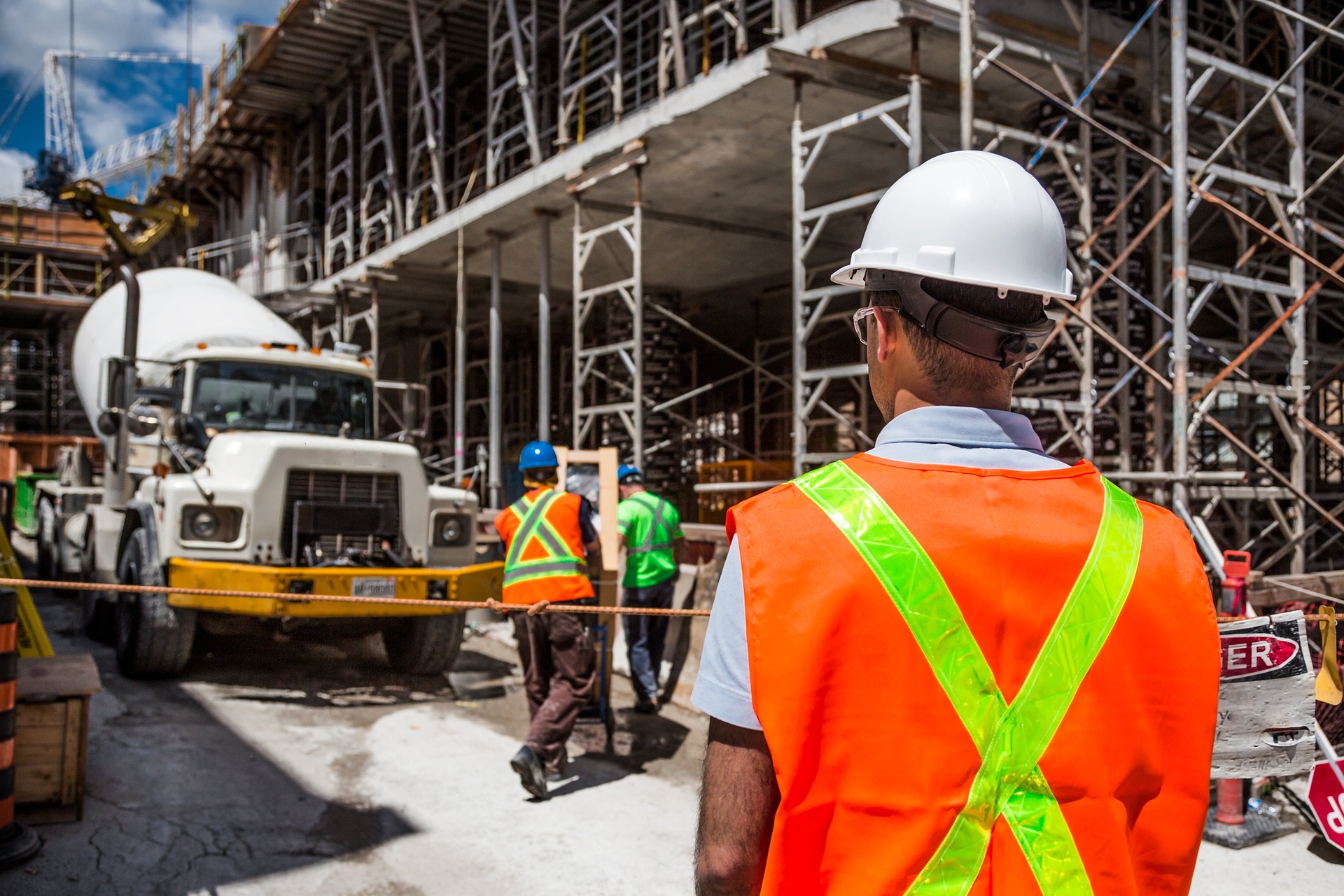
First, ensure your registrations are current. Nairobi City County has its own procurement systems. The National Construction Authority registration is also essential. If your firm is not registered, start the process now.
Second, understand the procurement pipelines. The allocations are announced, but the tenders will roll out over time. Follow the county’s procurement portal. Attend pre‑tender briefings. Build relationships with the relevant departments—Water, Roads, Energy, Environment.
Third, consider joint ventures or sub‑contracting. Some packages will be too large for medium‑sized contractors to handle alone. Partnering with other firms—either as a lead or as a sub‑contractor—can give you access to work you might not qualify for on your own.
Fourth, prepare your documentation. Tenders for public contracts require extensive documentation: company profiles, audited accounts, past project lists, tax compliance certificates, and more. Have these ready before the tender is advertised, not after.
Fifth, invest in capacity. If you are a civil contractor eyeing the sewer project, do you have the equipment and expertise to lay 27 kilometres of large‑diameter pipe? If you are an electrical contractor, do you have the teams to install street lights across multiple wards? If not, start building that capacity now.
i
The Political and Economic Context
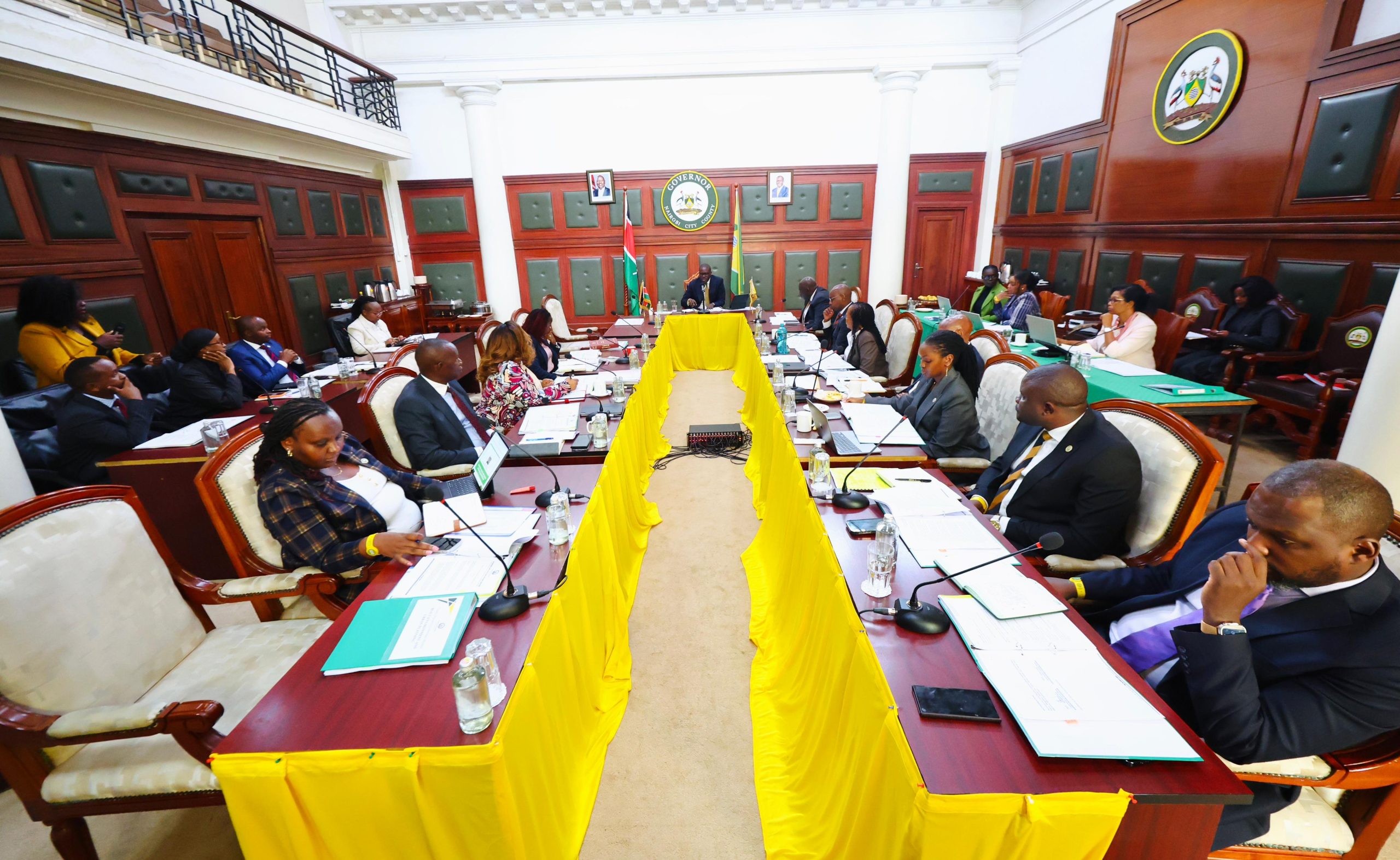
This Sh80 billion injection sits within a larger story about Nairobi’s development. Governor Sakaja’s “Nairobi Rising” agenda is his flagship programme. Delivering visible infrastructure improvements before the 2027 elections is a priority.
For contractors, this means two things. First, there is genuine momentum behind these projects. They are not theoretical. Second, timelines will be compressed. Projects that might normally take years will be fast‑tracked. Firms that can deliver quickly and reliably will be favoured.
The cooperation agreement with the national government also matters. It means funding is coming from both county and national sources, reducing the risk of budget shortfalls that have plagued some county projects in the past.

What Comes After These Projects
Stepping back, the Sh80 billion package is not a one‑off. It is part of a sustained push to upgrade Nairobi’s infrastructure. The sewer programme, for example, includes a Sh15 billion long‑term expansion component that will continue beyond the current projects.
The roads and lighting programmes create templates for future phases. If the fast‑track roads model works, it will be repeated. If the 50,000 street lights programme delivers, there will be demand for more.
For contractors, this means that winning work now positions you for future work. Relationships built with county departments today become pipelines for tomorrow. Successful project delivery builds a reputation that opens doors.
The Bottom Line
Sh80 billion is the largest single infrastructure investment Nairobi has seen in years. It is broken down by sector, allocated to specific projects, and backed by both county and national government.
For contractors, the question is not whether the work exists. It is whether you are positioned to compete for it.
The tenders will come. The projects will be built. Some contractors will grow their businesses significantly over the next two years. Others will watch from the side.
The difference will be preparation, positioning, and performance.