Walk onto most construction sites in Kenya, and you’ll see it: piles of off-cut timber, broken bricks, excess concrete hardening in corners, plastic packaging tangled in shrubs. It’s so common, many consider it just “part of the process.”
But what if that waste isn’t inevitable? What if it’s actually a sign of poor planning—not industry norm?
At Lanny Builders Limited, we’ve rethought waste from the ground up. Not as a disposal problem, but as a design and logistics opportunity. Over recent projects—from mid-rise apartments in Ruiru to custom homes in Karen—we’ve consistently reduced material waste by more than 60%. And no, we didn’t slow down or inflate budgets to do it.
Here’s how circular thinking is quietly reshaping smarter construction in Kenya.

Waste Starts in the Office—Not on Site
Most waste is baked in long before the first delivery truck arrives. Over-ordering “just in case.” Using standard dimensions that don’t match local material sizes. Ignoring how much gets lost in cutting, handling, or weather damage.
We begin with precision planning:
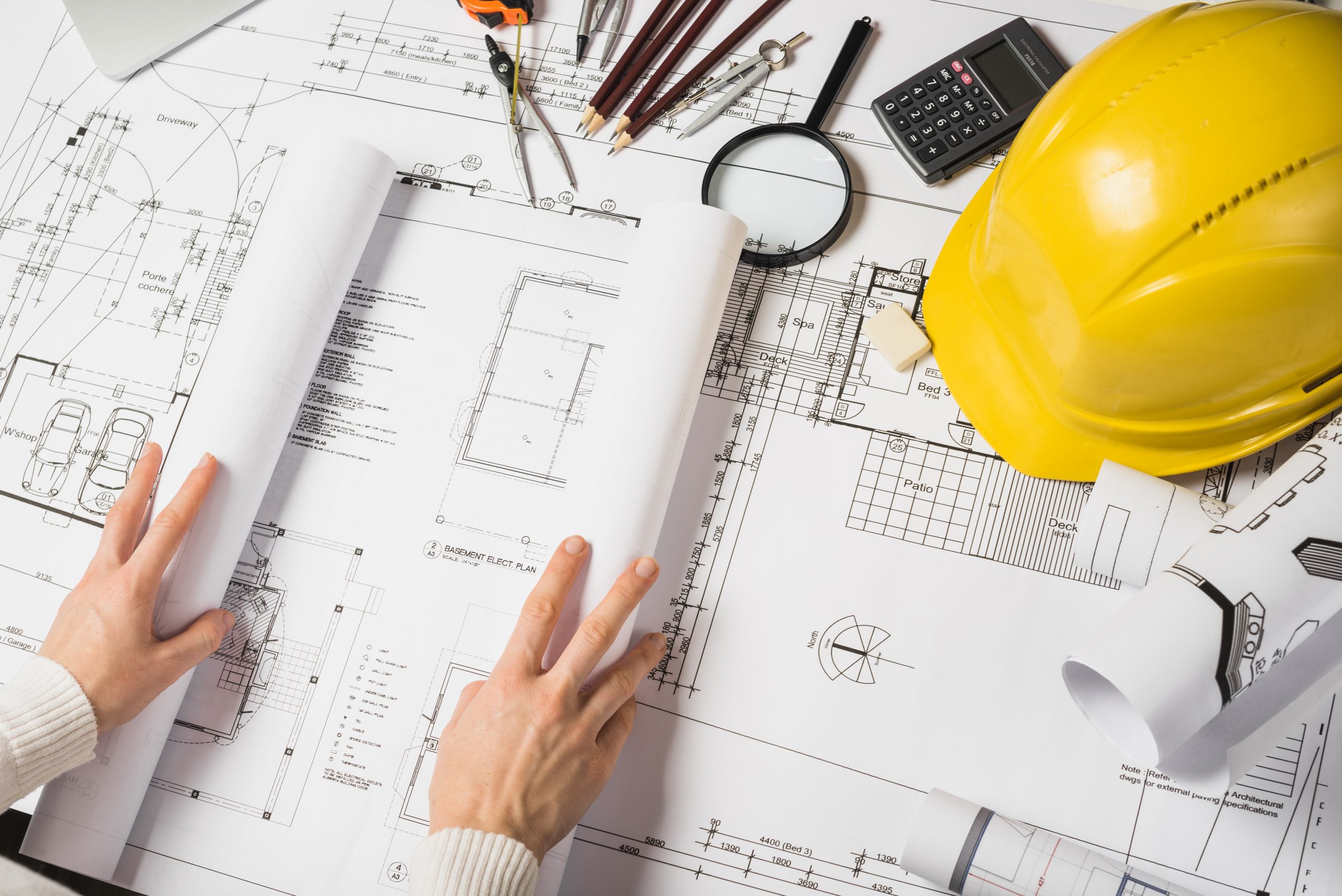
- Using digital takeoffs to calculate exact material needs
- Designing around standard Kenyan block and sheet sizes (e.g., 9-inch blocks, 8x4ft boards) to minimize off-cuts
- Specifying modular elements where repetition reduces errors and scrap
It’s not high-tech magic—it’s disciplined design.
Concrete Isn’t Just Poured—It’s Accounted For
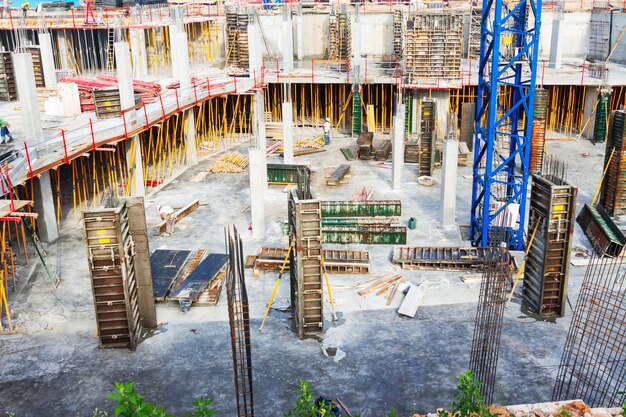
Concrete waste is one of the biggest hidden costs on site. Leftover mix, formwork leaks, over-excavation—all add up. Worse, wasted concrete means wasted cement, which has a heavy carbon footprint.
We’ve adopted a simple rule: measure twice, pour once.
- We batch-mix based on real-time slab volumes, not estimates
- Use reusable formwork systems that fit tightly and last multiple cycles
- Repurpose unavoidable concrete slurry as base fill or site pathways—never as landfill
One recent foundation pour in Thika? Zero concrete hauled away as waste.
Wood, Steel, and Packaging—Nothing “Disposable”
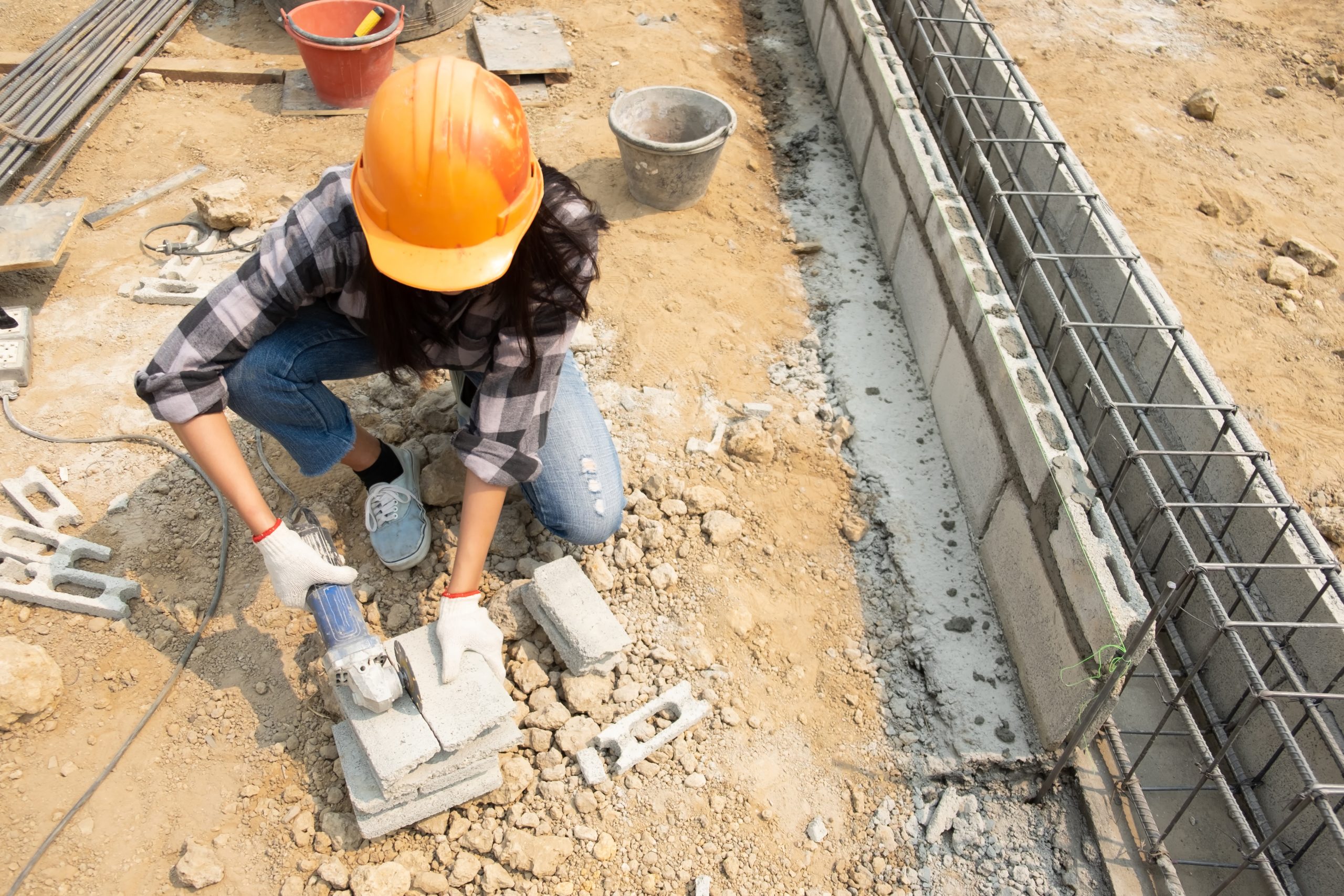
Timber off-cuts become temporary bracing or site signage. Rebar scraps are bundled and returned to suppliers who recycle them. Even plastic wrapping from cement or tiles is collected and handed to local recyclers in Nairobi’s growing circular economy.
We enforce a “waste segregation at source” rule on every site:
- Separate bins for metal, wood, plastic, and inert debris
- Daily audits by site supervisors
- Incentives for crews who innovate reuse (like using tile boxes as plaster molds)
It’s not just eco-friendly—it keeps sites cleaner, safer, and more organized.
Designing for Deconstruction—Not Just Construction
Most buildings aren’t designed to be taken apart. But what if materials could be recovered when a structure reaches its end of life?
We’re starting to integrate reversible connections, standardized fixtures, and material labeling—even on mid-range projects. Why? Because today’s waste is tomorrow’s resource. And clients increasingly care about long-term impact, not just upfront cost.
The Real Win? Trust, Timing, and Total Value
Clients notice when a site runs cleanly. When deliveries match need. When there’s no last-minute rush to order “just 10 more bags” because earlier ones were ruined by rain.
Waste reduction isn’t about being green for PR. It’s about operational excellence. Fewer delays. Fewer reorders. Fewer disputes over material shortfalls.
And yes—it lowers your total project cost. Not through cheap materials, but through intelligent use of every resource you pay for.

Final Thought
In an industry where “that’s how it’s always been done” still echoes on too many sites, choosing precision over padding is a quiet act of leadership.
At Lanny Builders Limited, we don’t see waste as unavoidable. We see it as a signal: that someone stopped thinking too soon.
And we never do.
Building smarter isn’t a slogan—it’s our standard.
Lanny Builders Limited delivers high-quality construction with precision planning, material integrity, and zero tolerance for unnecessary waste.
Get in touch to discuss a more efficient, responsible build for your next project.