Every rainy season, the same scenes play out across Nairobi. Streets become rivers. Homes fill with muddy water. Cars are submerged. Families wade through waist‑deep floods, clutching belongings above their heads. Businesses close. Commuters are stranded. The city grinds to a halt.
The cost is not just inconvenience. It is lost livelihoods, damaged property, and in the worst cases, lost lives. The March–May 2024 rains alone claimed over 200 lives across the country and displaced tens of thousands.
For years, Nairobians have been told that solutions are coming. That drainage will be fixed. That rivers will be dredged. That the city will finally be resilient.
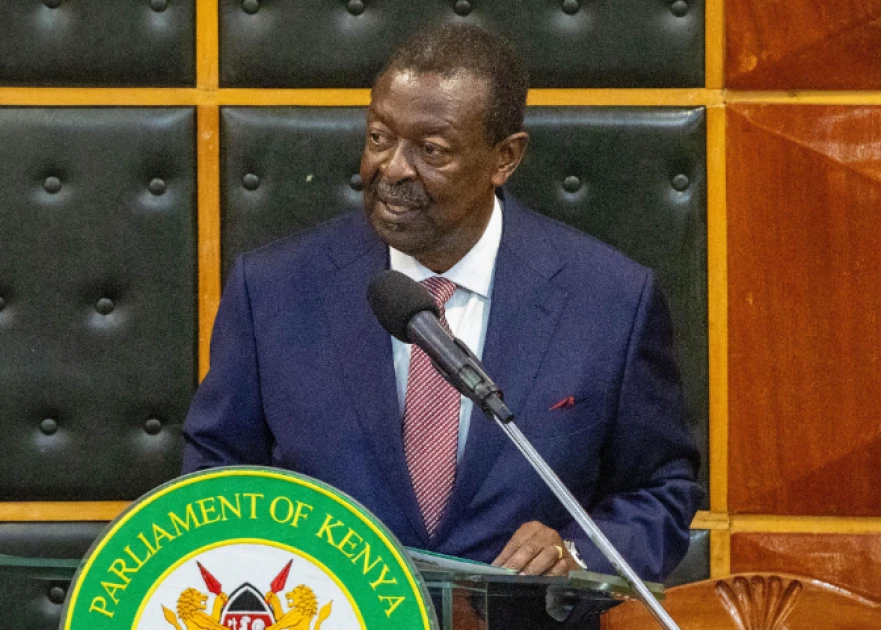
Those promises have now been turned into a budget line. A Sh47.2 billion flood resilience masterplan for Nairobi has been unveiled under the Ruto‑Sakaja cooperation agreement between the national government and Nairobi City County.
For civil engineering contractors, this is not just another announcement. It is a multi‑year pipeline of underground construction work – drainage, sewerage, water, and flood control – that is funded, urgent, and non‑negotiable.
The Problem That Will Not Wait
Nairobi’s drainage infrastructure was designed for a much smaller city. Most of it was built in the 1960s and 1970s, when the population was a fraction of its current size. Since then, the city has sprawled. Pavement has replaced soil. Rivers have been encroached upon. Solid waste has clogged channels.
The result is a system that cannot cope. Even moderate rains overwhelm the drains. Water backs up onto roads. Rivers burst their banks. Informal settlements built on wetlands and riparian reserves are hit hardest.
Climate change is making the problem worse. Rainfall intensity is increasing. Droughts are longer, but when the rain comes, it comes harder. The old infrastructure cannot handle the new weather patterns.
The Sh47.2 billion masterplan is designed to address this mismatch, systematically and over time.
The Two Phases of the Masterplan
The resilience plan is structured in two phases, each with distinct objectives and timelines.
Phase I (2026) – Emergency Stabilisation
This phase focuses on immediate, visible interventions to reduce flood risk quickly. It includes:
- Rapid rehabilitation of critical drainage systems – clearing clogged channels, repairing broken culverts, and stabilising vulnerable sections.
- Flood early warning mechanisms – installing sensors and communication systems to alert residents before water levels rise.
- Flood risk mapping – identifying the most vulnerable areas so resources can be targeted effectively.
- Strengthened emergency response – prepositioning pumps, rescue equipment, and trained personnel.
These are not long‑term structural fixes. They are the equivalent of stopping the bleeding before performing surgery. But they will save lives and reduce disruption while the larger projects are planned and funded.
Phase II (2026–2028) – Major Infrastructure Upgrades
This is where the real construction work begins. Phase II will deliver:
- Water and sanitation infrastructure upgrades – expanding and rehabilitating the pipes, treatment plants, and pumping stations that serve the city.
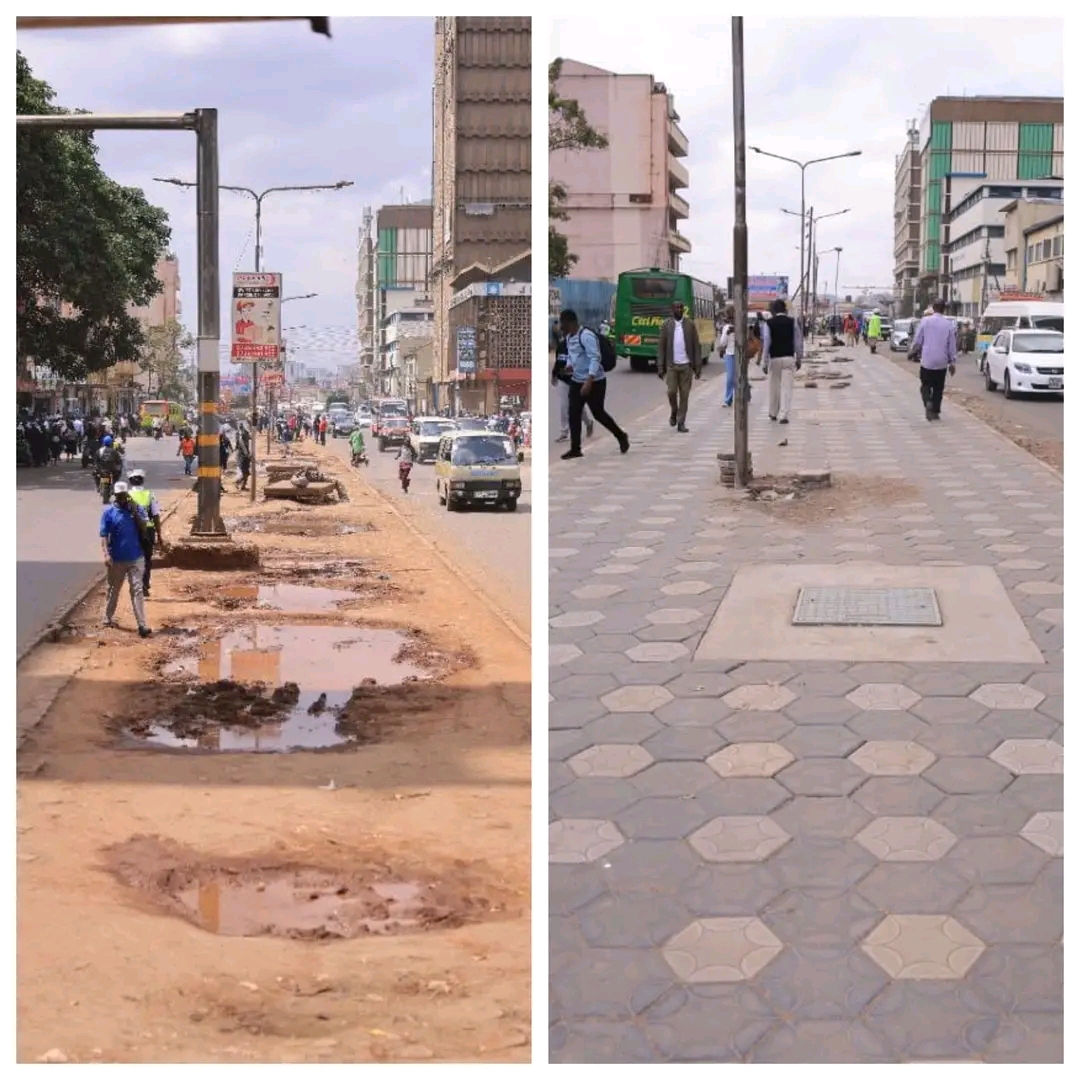
- Drainage channel improvements – widening, deepening, and lining existing channels to increase capacity.
- Retention basins and detention ponds – creating temporary storage areas for stormwater so it does not flood roads and homes.
- Riverbank stabilisation and dredging – preventing erosion and increasing the flow capacity of the Nairobi, Ngong, and Mathare rivers.
- Integrated stormwater management systems – connecting drainage to green infrastructure like parks and permeable surfaces.
The work is not limited to one part of the city. The masterplan covers all major flood‑prone areas, including informal settlements that have never seen formal drainage.
Why This Is Underground Construction Gold
For civil engineering contractors, the flood resilience plan is particularly attractive because most of the work is underground.
Drainage channels, sewers, water mains, retention basins – these are not glamorous projects. They do not produce shiny towers or ribbon‑cutting ceremonies. But they pay. And they are essential.
The underground nature of the work also means less competition from general contractors who focus on buildings. Civil works specialists – firms with experience in trenching, pipe laying, shoring, and earthmoving – will have a natural advantage.
The scale is also significant. Sh47.2 billion spread over three years is roughly Sh15‑16 billion per year. That is enough to keep several medium or large civil contractors busy full‑time.

The Funding Is Real
One of the biggest risks with infrastructure projects is funding. Promises are made. Budgets are allocated. Then the money never arrives, or it arrives late.
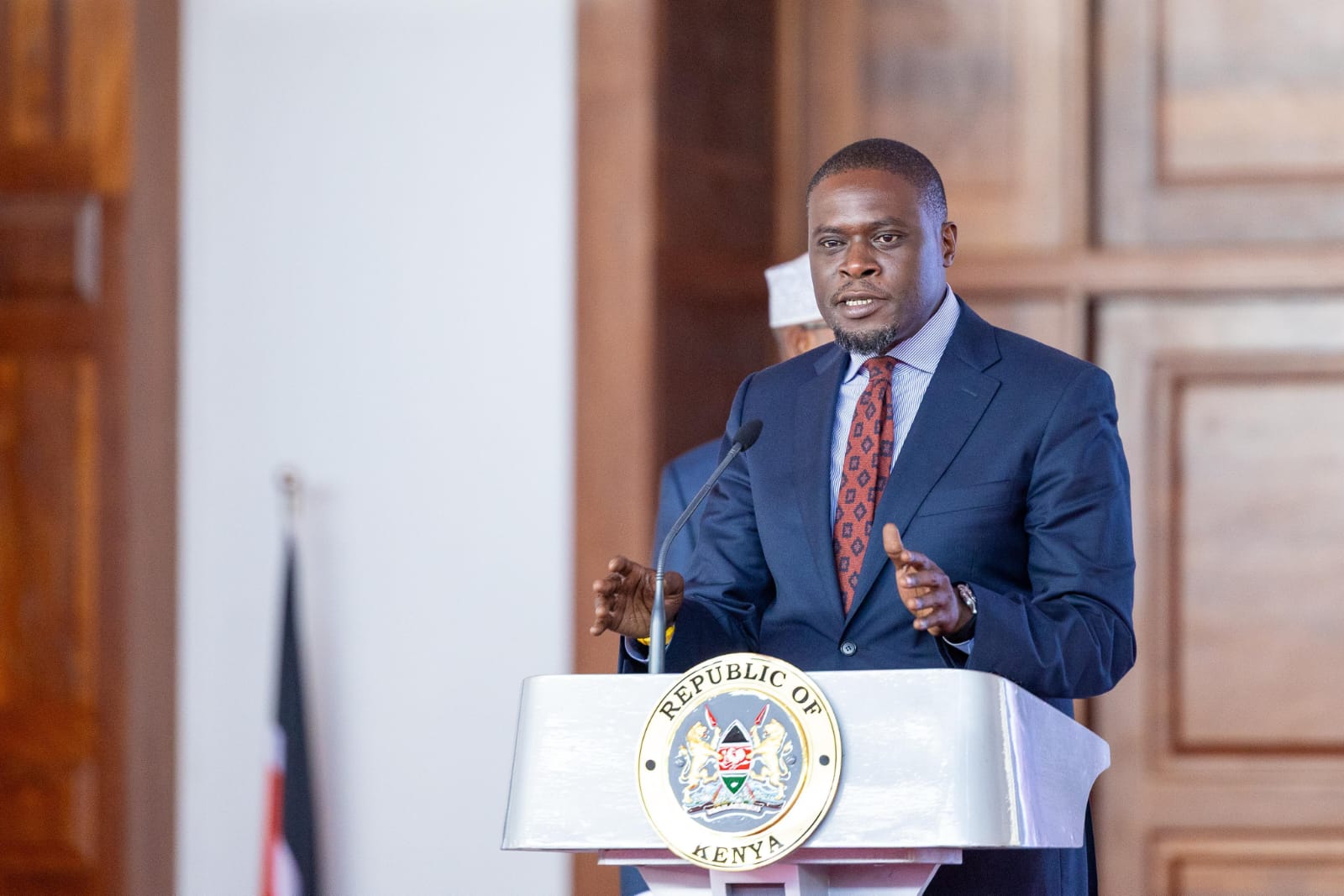
The flood resilience plan is different because it sits under the Ruto‑Sakaja cooperation agreement, a formal partnership between the national government and Nairobi City County. Both levels of government have committed resources, reducing the risk of one‑sided funding gaps.
The national government has already demonstrated its willingness to fund urban infrastructure through programmes like the Kenya Urban Support Programme (Sh13.4 billion) and KISIP II (Sh7.2 billion). The flood resilience plan is an extension of that commitment, targeted specifically at Nairobi.
Additionally, the urgency of the problem creates political pressure. Every rainy season that brings flooding is a reminder of what has not been done. The government cannot afford to delay.
What This Means for Contractors
For builders and civil works contractors, the flood resilience plan creates a clear set of opportunities.
First, drainage rehabilitation is immediate. Phase I includes rapid repairs to critical drainage systems. This is work that can start quickly, with relatively smaller contract values, ideal for medium‑sized contractors.
Second, major infrastructure contracts will be larger. Phase II includes multi‑kilometre drainage channels, retention basins, and river works. These are substantial contracts suited for larger firms or joint ventures.
Third, specialisation matters. Contractors with experience in pipe jacking, micro‑tunnelling, shoring, and working in waterlogged conditions will have an edge. These are not skills that every general contractor possesses.
Fourth, partnerships may be necessary. Some of the larger contracts may exceed the capacity of individual firms. Forming consortia with complementary capabilities – one firm handling earthworks, another handling pipe laying, another handling mechanical installations – can increase competitiveness.
Fifth, equipment requirements are significant. Excavators, dump trucks, compactors, pumps, and dewatering equipment will be in high demand. Contractors who own their own fleets, or have strong rental relationships, will be better positioned.
The Social Dimension
The flood resilience plan is not just about concrete and pipes. It is about people.
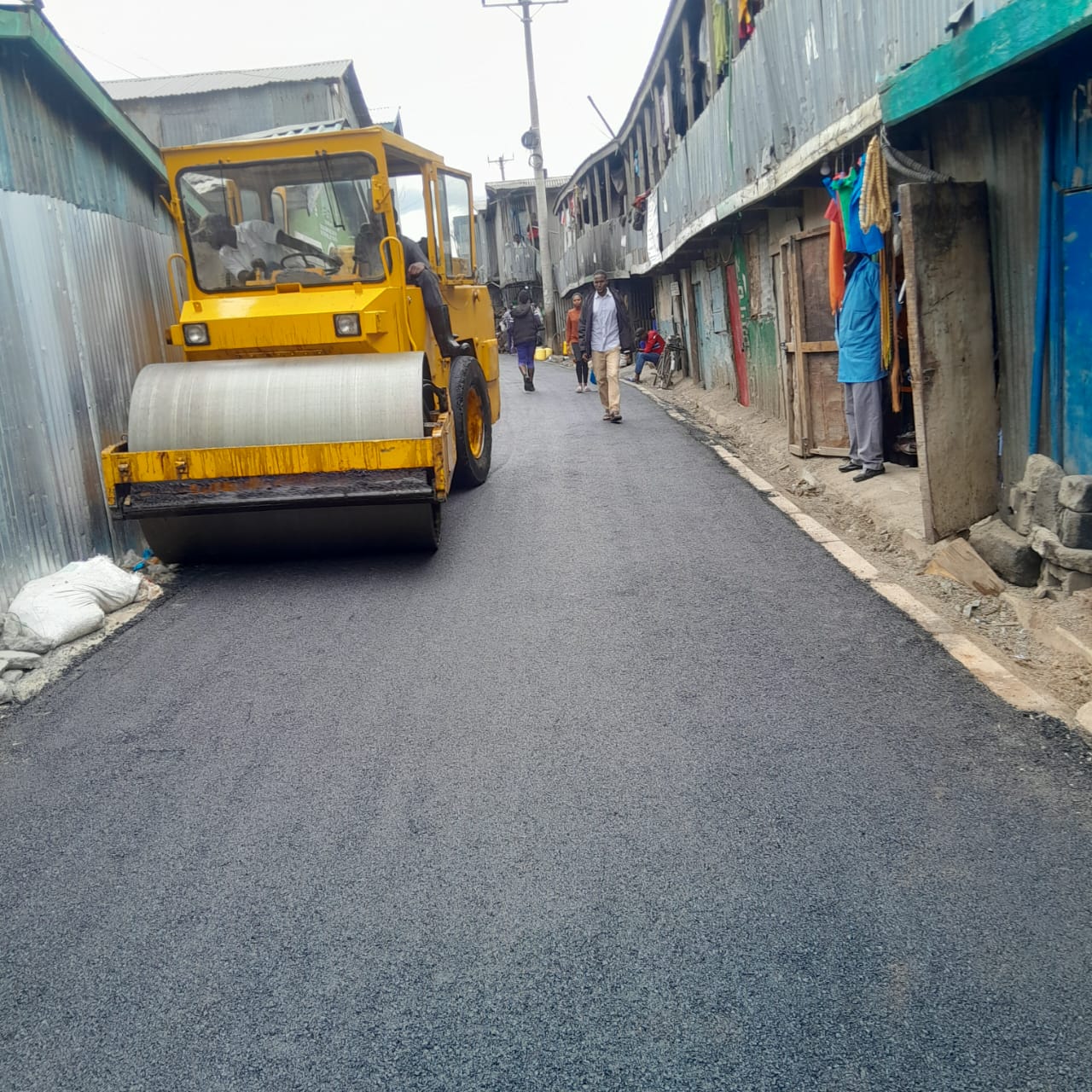
The areas most affected by flooding are often informal settlements – Mathare, Kibera, Mukuru, Korogocho. These communities have been neglected for decades. They lack formal drainage, solid waste collection, and flood protection.
When the plan includes drainage upgrades in these areas, it must also include community engagement. Residents need to understand what is being built, why, and how it will affect their daily lives. Access roads may need to be maintained during construction. Water and sanitation services may need temporary alternatives.
Contractors who approach these projects with sensitivity – who hire locally, communicate transparently, and minimise disruption – will build trust and goodwill. Those who bulldoze through communities will face resistance, delays, and reputational damage.
The Construction Timeline
The plan is ambitious but realistic.
- 2026 – Phase I emergency stabilisation, plus planning and design for Phase II.
- 2027 – Phase II construction ramps up. Major drainage channels and retention basins.
- 2028 – Completion of most major infrastructure, with ongoing maintenance and monitoring.
For contractors, this means a three‑year pipeline of work. Not a single project, but a sustained programme. Finishing one contract positions you for the next.
The Bottom Line
Flooding is not a new problem in Nairobi. It has been ignored for decades. But the Sh47.2 billion masterplan signals a shift. The city is finally investing in the underground infrastructure that will keep it dry.
For civil engineering contractors, this is a rare opportunity. Funded, urgent, multi‑year work that does not depend on speculative real estate markets or fickle private clients. Drainage channels, retention basins, water mains, sewer lines – the work is essential, and it is coming.
The rain will fall again. The question is whether Nairobi will be ready. And whether you will be the contractor building that readiness.