Another building collapses. Another worker dies. Another investigation promises answers that never come.
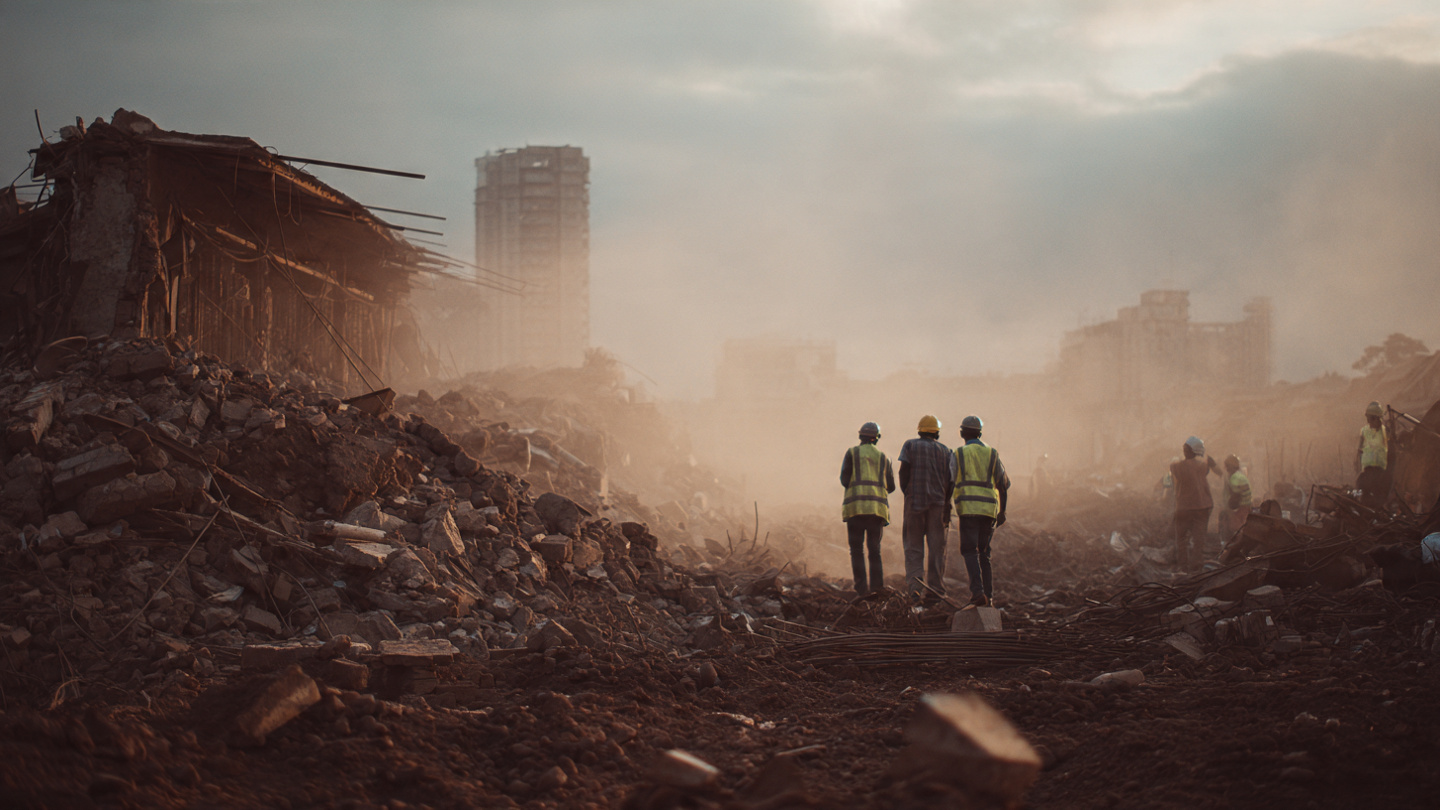
On April 9, 2026, at least three people were killed when a demolition site collapsed in Nairobi’s South C area . The building, which was being torn down, gave way suddenly. Workers were buried under debris before they could escape.
Just weeks earlier, on March 18, 2026, separate incidents in Westlands, Nairobi and Kericho left at least two dead and several injured . In Westlands, a formwork failure during concrete casting caused a partial collapse. In Kericho, inadequate propping and insufficient structural reinforcement led to another accident.
These are not isolated events. They are symptoms of a deeper problem that the Kenyan construction industry has refused to confront.
The Pattern That Keeps Repeating
Let us look at what happened in South C because it tells us everything about how this industry operates.
The building being demolished was in poor condition before work even started. Neighbours had complained. The site was unstable. Yet the demolition proceeded.
Here is the part that should outrage every responsible contractor: stop orders issued by both the National Construction Authority (NCA) and Nairobi County Government were ignored . Enforcement actions had been taken at the South C site in May, July, and December 2025 . Officials had visited. Orders had been issued. Yet construction and demolition continued until the day of the collapse.
This is not a failure of regulation. The regulations exist. NCA and county governments have the authority to issue stop orders, demand corrections, and prosecute violators. The problem is not the rulebook. It is the enforcement.

Why Demolition Is More Dangerous Than New Construction
Most people assume demolition is just construction in reverse. It is not. It is fundamentally more dangerous.
When you build, materials are placed deliberately. Connections are inspected. Load paths are verified. When you demolish, everything is unknown. The building may have hidden weaknesses. Corrosion may have eaten away reinforcement. Previous modifications may have compromised structural integrity. And the act of demolition itself creates instability that is difficult to predict.
Demolition workers are often the lowest-paid, least-trained people on a site. They are given sledgehammers, jackhammers, and excavators, told to bring the building down, and left to figure out the safest way on their own.
The result is predictable. Walls collapse in unexpected directions. Floor slabs give way underfoot. Workers are crushed, buried, or thrown.

The South C Timeline: A Case Study in Failure
Let us reconstruct the South C timeline because it matters.
- May 2025: NCA and Nairobi County inspect the site, issue stop orders.
- July 2025: Follow-up inspection. Work still ongoing. Second stop order issued.
- December 2025: Third inspection, third stop order. County officials note “flagrant disregard” for orders.
- April 9, 2026: Building collapses. Three workers dead.
Between the first stop order and the collapse, nearly a full year passed. A year in which regulators knew the site was dangerous. A year in which the developer or contractor continued working. A year in which multiple warnings were issued and ignored.
What enforcement action was taken between December and April? According to reports, none. The county had issued stop orders but lacked the political will or capacity to physically shut down the site, impound equipment, or arrest those responsible.
This is not an isolated failure. It is a systemic one.
The Formwork Failure in Westlands
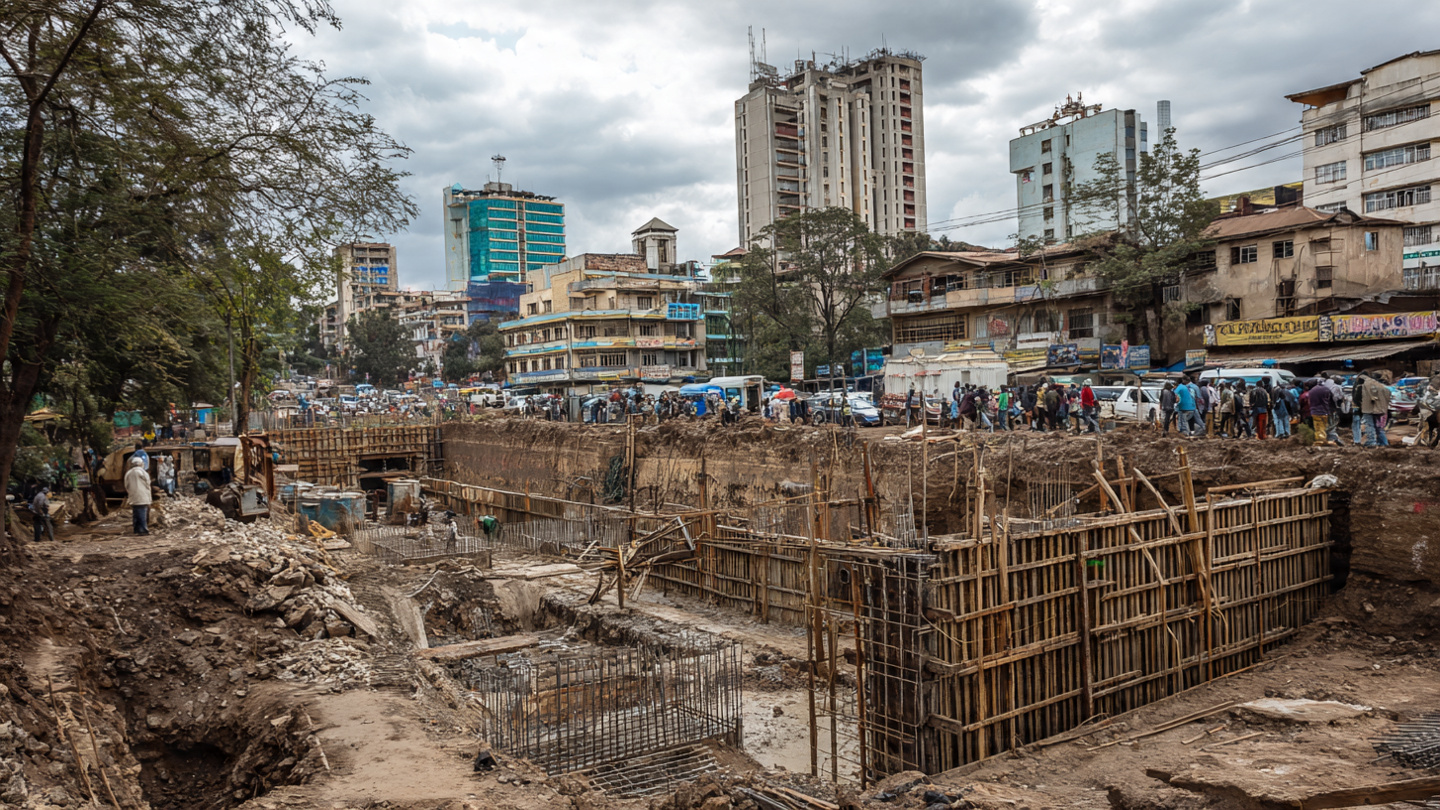
The March 18 incident in Westlands tells a different but equally troubling story. During concrete casting, a formwork system collapsed. Formwork is the temporary mould into which wet concrete is poured. It is designed to support the weight of the concrete until it hardens.
When formwork fails, it is almost always due to one of three causes: inadequate design, poor materials, or rushed assembly. In the Westlands case, preliminary reports suggest the formwork was not properly propped and the structural reinforcement was insufficient for the load being placed.
Concrete is heavy. A cubic metre weighs about 2.4 tonnes. When a formwork system fails during a pour, there is no warning. The concrete falls. Workers below are buried before they can move.
The Kericho incident, also on March 18, involved inadequate propping. The building under construction could not support its own weight, even temporarily. Sections collapsed, injuring workers.
The Kericho Incident: Inadequate Propping
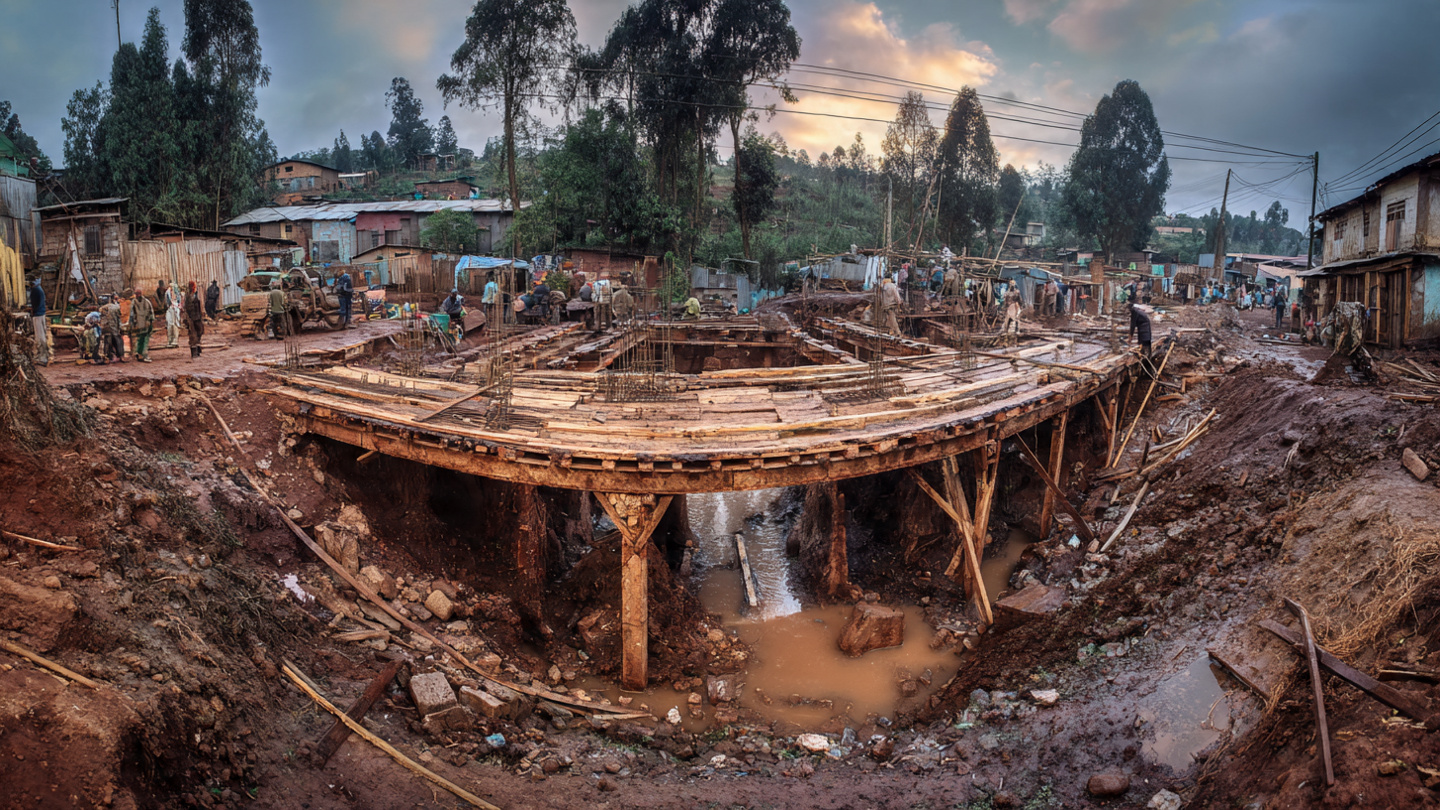
In Kericho, the failure was structural. A building under construction gave way because the propping systems—temporary supports used to hold formwork and partially completed structures in place—were insufficient.
Propping is not a luxury. It is essential. Until concrete cures, until steel connections are welded, until load paths are complete, a building is not stable. Propping provides that stability during the vulnerable period between placement and full strength.
When contractors skip or reduce propping to save money, they are not saving time. They are gambling with lives. The Kericho incident shows what happens when that gamble fails.
The Role of NCA and County Governments
The National Construction Authority was established to regulate the construction industry, register contractors, inspect sites, and enforce standards. County governments have their own building departments responsible for approvals and inspections.
In theory, this dual oversight should catch unsafe sites. In practice, it often means no one feels fully responsible.
NCA can issue stop orders but cannot physically shut down sites without county support. Counties have enforcement powers but lack the staff, equipment, or political courage to use them. Contractors know this. They calculate that the risk of getting caught is lower than the cost of compliance. And they are often right.
The South C site was inspected multiple times. Stop orders were issued. Nothing happened. That is not a failure of regulation. It is a failure of will.

What the Law Actually Requires
Kenya’s building regulations are not silent on demolition. The National Building Code and NCA guidelines require:
- Detailed demolition plans submitted and approved before work begins
- Structural assessments of buildings to be demolished
- Engineered shoring and bracing during demolition
- Sequential demolition procedures that maintain stability
- Worker training on demolition hazards
- Site safety plans with emergency procedures
These requirements are reasonable. They are based on international best practices. They would prevent most of the deaths that occur on Kenyan demolition sites.
But they are only effective if they are enforced. And enforcement, as the South C case shows, is weak.

The Economic Pressure
There is a reason contractors cut corners on demolition. It is the same reason they cut corners on formwork and propping. Money.
Proper demolition requires engineering, planning, and careful execution. It takes time. Time costs money. A contractor who demolishes a building in three days instead of three weeks saves on labour, equipment rental, and supervision. If they can do so without being penalised, the financial incentive is overwhelming.
The same logic applies to formwork and propping. Quality materials, proper design, and careful assembly cost more upfront. But they prevent collapses that cost lives, lawsuits, and reputations.
The problem is that the market does not reward safety. Clients choose the lowest bidder. Lowest bidders cut corners. Regulators fail to catch them. Unsafe contractors win work. Safe contractors lose.
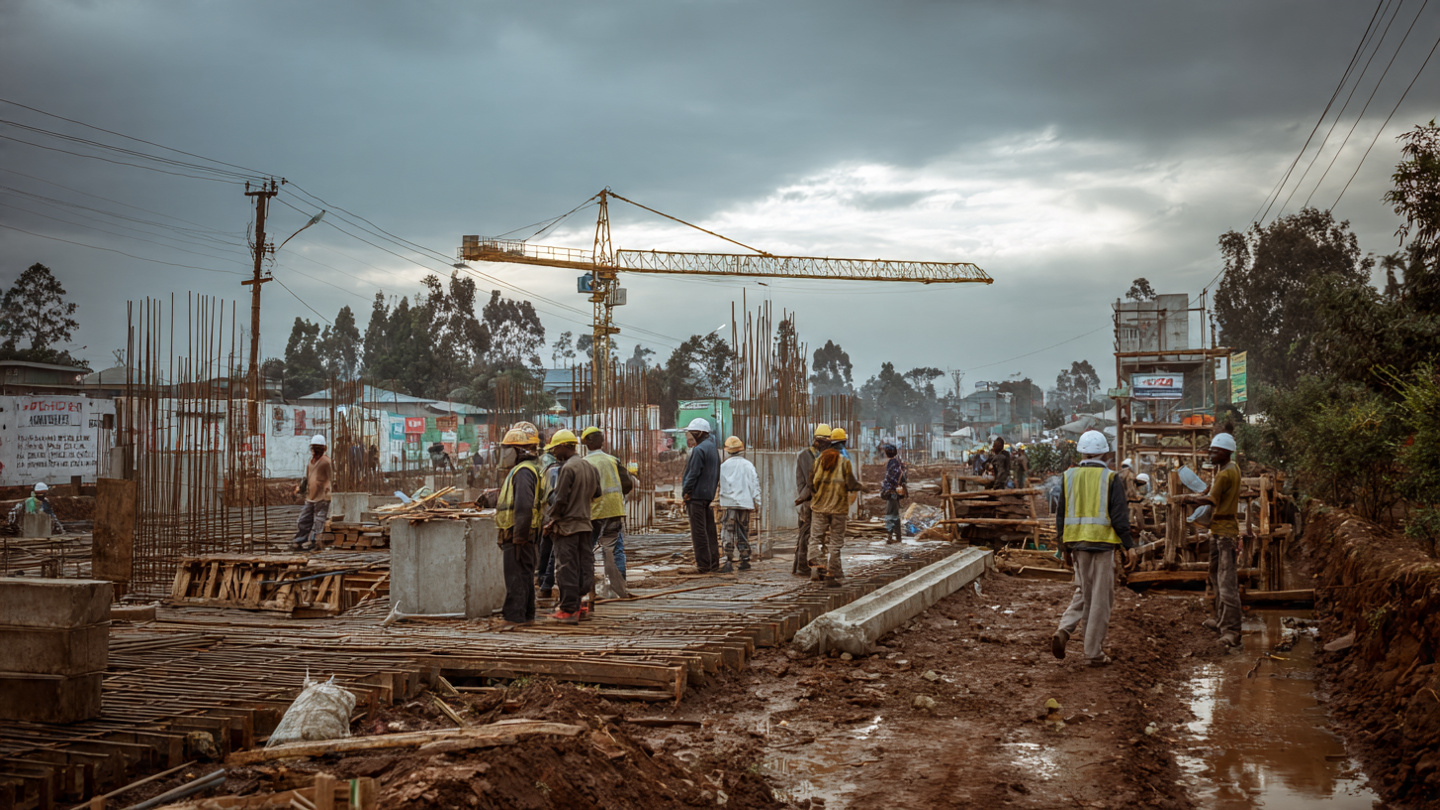
What This Means for Responsible Contractors
For builders who take safety seriously, the current environment is frustrating. You are competing against contractors who are willing to risk lives to save money. And you are operating in a regulatory system that does not effectively punish those risks.
What can you do?
Document everything. Every safety briefing. Every inspection. Every stop order notice. When something goes wrong, your documentation is your defence.
Refuse unsafe work. If a client pressures you to skip propping, rush a demolition, or cut corners on formwork, say no. It is better to lose a contract than to lose a worker.
Report violations. When you see unsafe practices on other sites, report them to NCA and the county. The system only works if responsible contractors help enforce it.
Invest in training. Your workers are your most valuable asset. Train them to recognise hazards, refuse unsafe tasks, and respond to emergencies.
Price safety into your bids. Do not compete with unsafe contractors on price alone. Compete on quality, reliability, and safety record. Educate clients about why your bids are higher and what they are buying.
Join industry associations. Collective voices are louder than individual ones. Work with associations like the Kenya Building and Construction Contractors Association (KBCCA) to push for stronger enforcement and stiffer penalties.

What Needs to Change
The current system is not working. Three preventable deaths in a single month. Multiple stop orders ignored. Repeat violations without consequences.
Here is what needs to change:
First, counties must actually enforce. Stop orders must be backed by physical action. Equipment impoundment. Site sealing. Arrests. Without consequences, stop orders are just paper.
Second, penalties must be meaningful. The new building code imposes stricter penalties, but they must be applied consistently and publicly. A fine that is less than the cost of compliance is not a penalty. It is a fee.
Third, blacklisting must be used. Contractors who repeatedly violate safety rules should be barred from public tenders and private work. The NCA maintains a register. It should be used actively.
Fourth, whistleblowers must be protected. Workers who report unsafe conditions need protection from retaliation. Without this, unsafe practices continue in silence.
Fifth, client education is essential. Developers and property owners must understand that lowest price often means lowest safety. Industry associations and regulators should publish safety ratings for contractors, making visible those who cut corners.

The 2026 Reality
The deaths in South C, Westlands, and Kericho should have been preventable. They were not. The system failed the workers, and the workers paid the price.
For responsible contractors, this is a moment of reckoning. The industry cannot continue to tolerate unsafe practices. Regulators cannot continue to issue paper stop orders that are ignored. Clients cannot continue to choose contractors based only on price.
The next collapse will happen. The next worker will die. The only question is whether it will happen on a site you control.