On almost a daily scale, somewhere in Kenya especially the capital… Nairobi, an engineer opens a set of architectural drawings for a thirty‑storey tower. Glass curtain walls. Post‑tensioned concrete slabs. Deep basement excavations that go four levels down. High‑speed lifts. Complex fire suppression systems. Smart building controls.
Then that same engineer turns to the building code that governs how this tower should be approved, inspected, and certified. And they find themselves working with rules that were written for two‑storey commercial buildings from a different century.
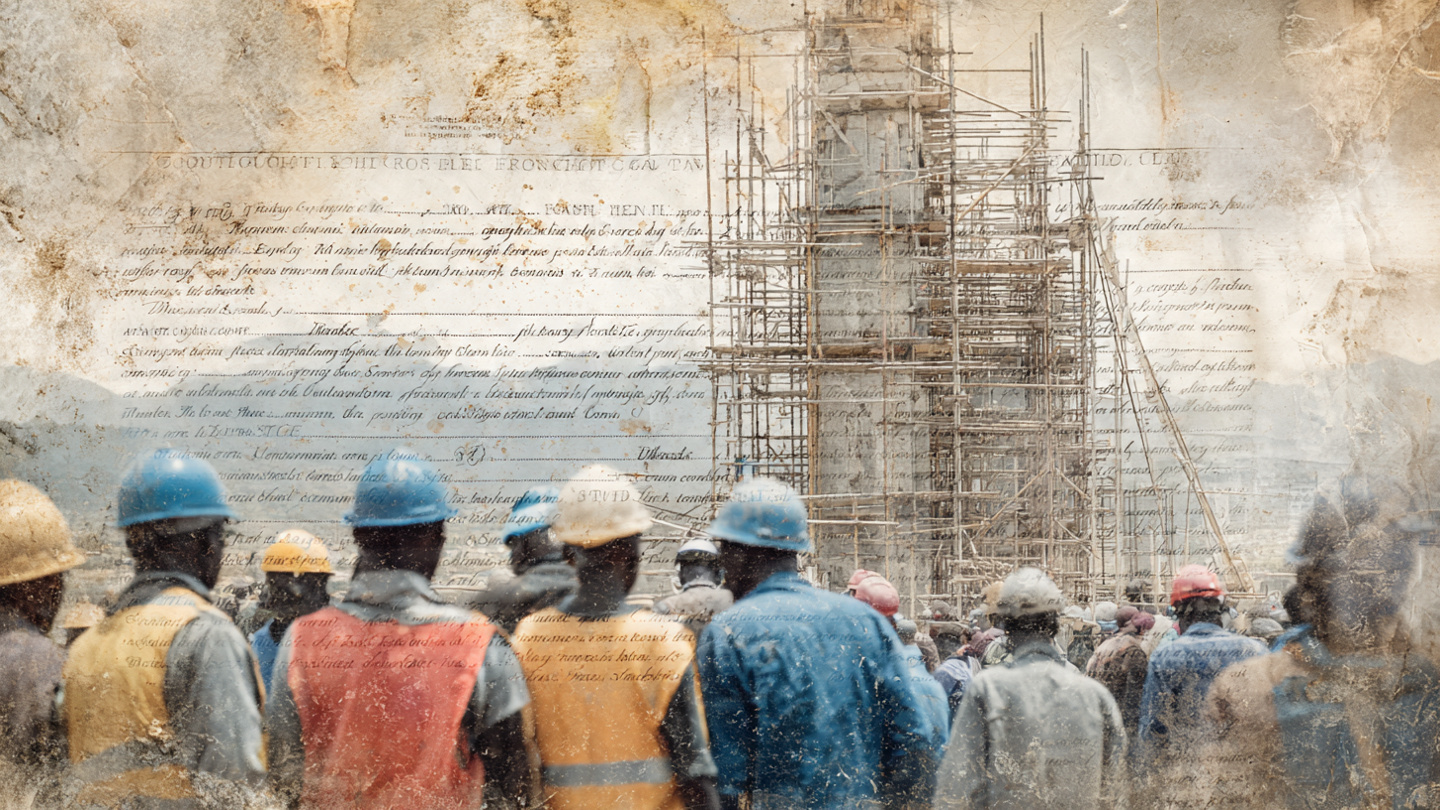
Kenya’s building code is a derivative of British building regulations inherited at independence, updated in patches but never systematically overhauled. It was not written for the kinds of buildings that now define Nairobi’s skyline. And the gap between what is being built and what the code addresses is growing.
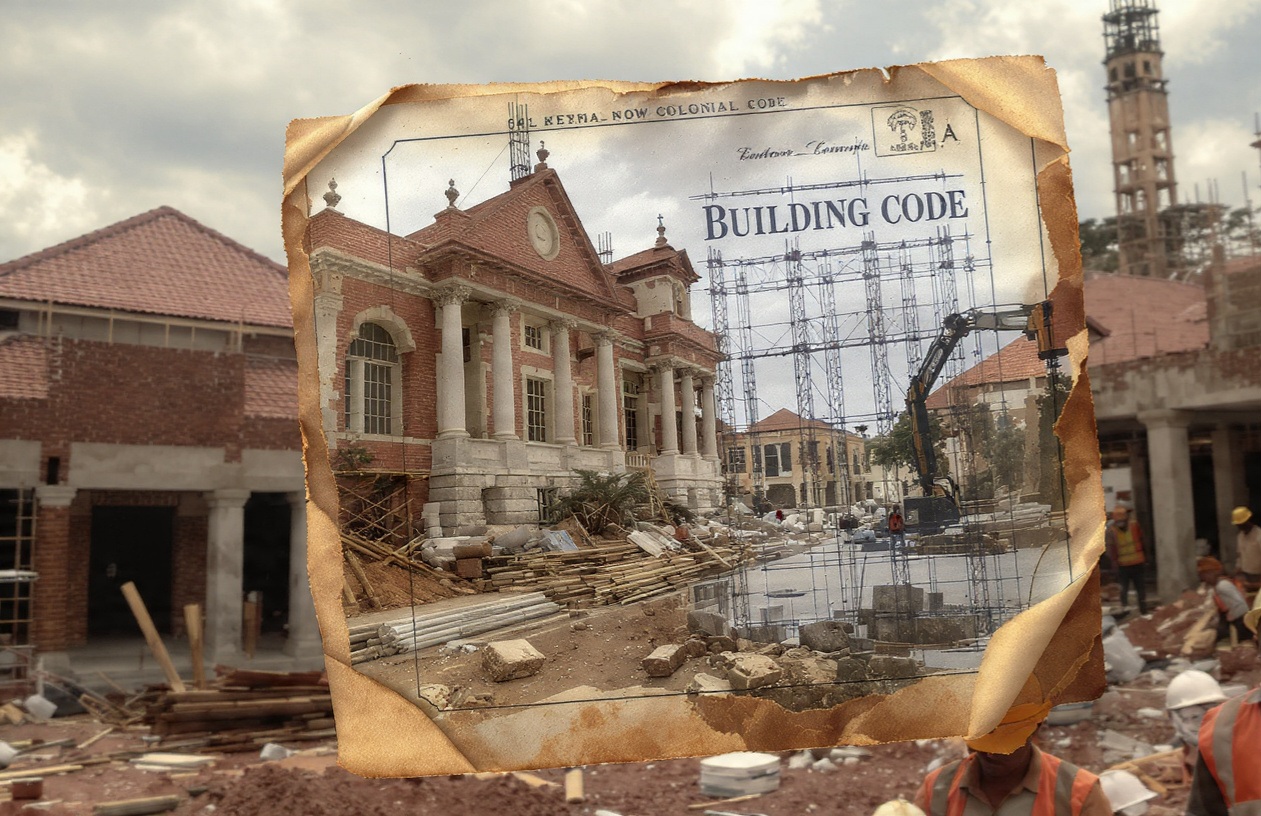
The Colonial Inheritance
When Kenya gained independence in 1963, it inherited a legal and regulatory framework designed by the British for a very different country. Small towns. Low‑rise buildings. Limited industrial activity. The building code reflected that reality.
Decades passed. Kenya urbanised. Nairobi became a regional hub. Towers rose – the Britam Tower at 200 metres, the UAP Old Mutual Tower at 163 metres, and dozens of others. New materials arrived. New construction methods emerged. But the code remained largely static, updated in fragments rather than reimagined as a whole.
The result is a regulatory system that forces architects, engineers, and contractors to navigate a patchwork. They use international best practices for structural design, fire safety, and material specifications. Then they try to fit those designs into approval processes that do not fully recognise them. The mismatch creates delays, confusion, and sometimes dangerous compromises.
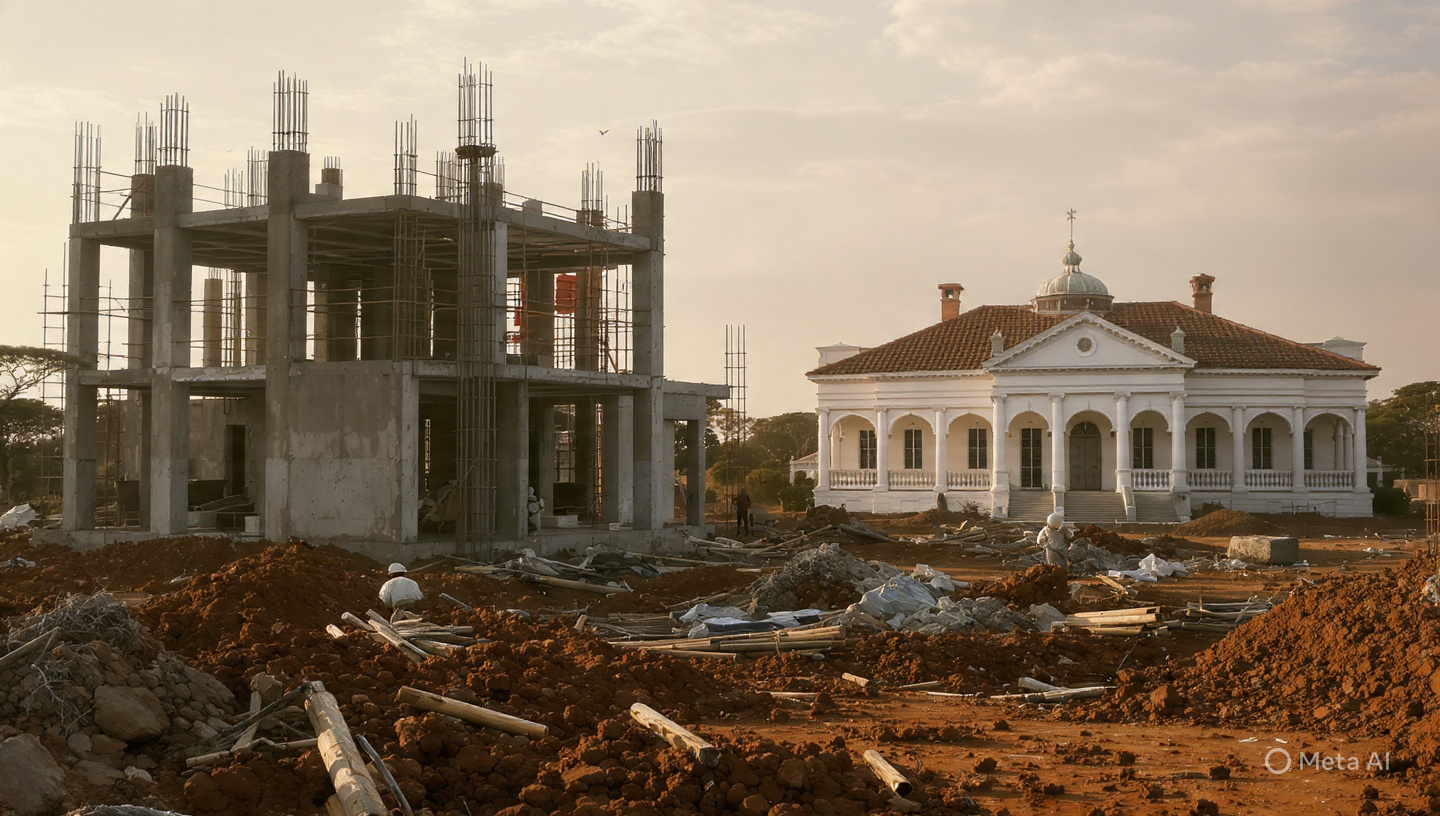
What the New Code Changes
The National Construction Authority (NCA) has introduced a new building code that replaces the 1968 rules and imposes stricter penalties for violations. This is progress. But the gap between what is being built and what the rules address is still significant.
The new code introduces:
- Stricter penalties for non‑compliance, including higher fines and potential imprisonment for serious violations
- Updated fire safety requirements that better reflect modern building materials and occupancy loads
- Accessibility standards for persons with disabilities, aligning with Kenya’s constitutional commitments
- Energy efficiency provisions that begin to address the carbon footprint of buildings
However, the code remains largely prescriptive rather than performance‑based. It tells you how to build – what thickness of wall, what size of beam – rather than what performance you must achieve. This is the colonial legacy: a rulebook that assumes every building looks the same.
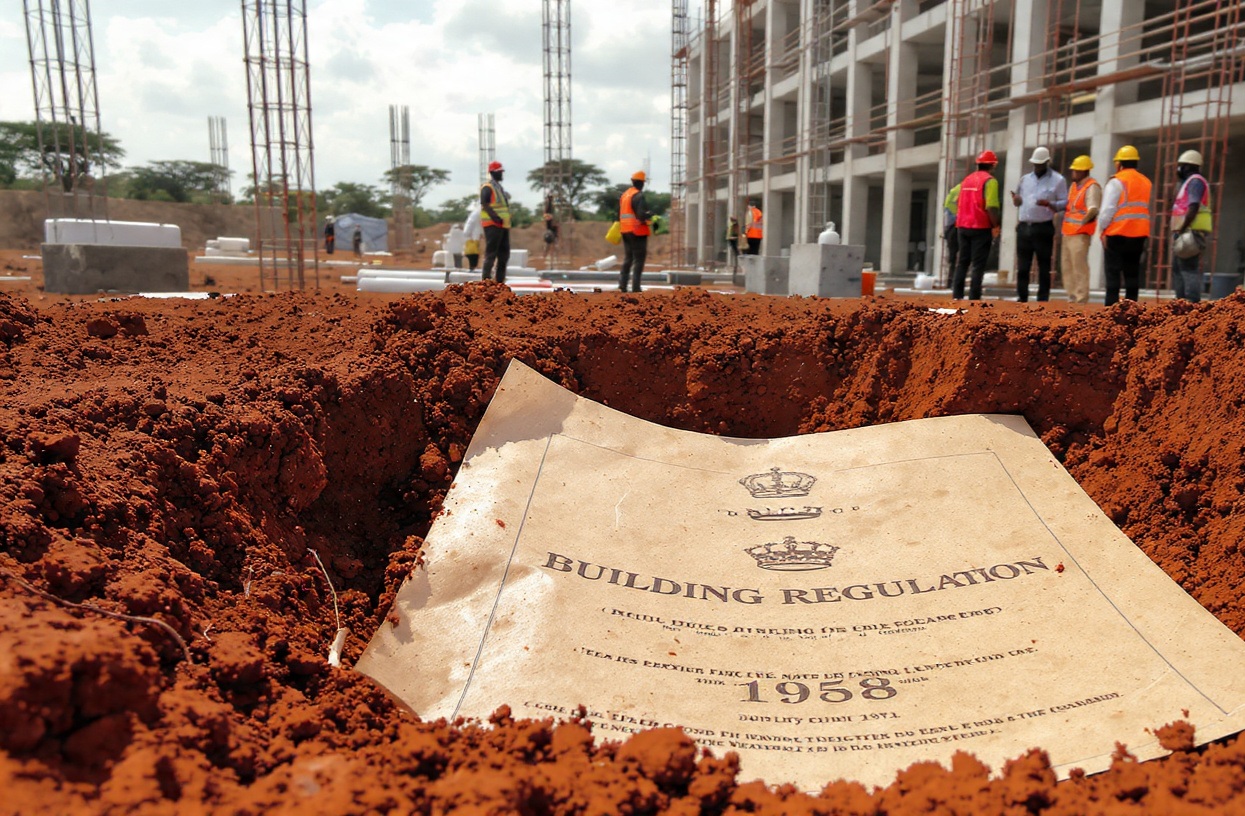
The Practical Problems
For contractors working on complex modern buildings, the gaps in the code create real challenges.
Structural systems: Post‑tensioned concrete, composite steel‑concrete decks, and advanced foundation systems are common in Nairobi’s high‑rises. The old code does not address them. Engineers must rely on international standards (Eurocodes, British Standards, American codes) and then convince local regulators to accept them. This takes time and often requires expensive consultants to produce justification reports.
Fire engineering: Modern buildings use active fire suppression (sprinklers, smoke extraction) and passive systems (fire‑rated glazing, compartmentation). The old code focuses on prescriptive measures like stair widths and distances to exits – valuable but insufficient for complex atriums, underground parking, or mixed‑use towers. Fire engineers must develop performance‑based designs and then negotiate approval.
Basement and excavation: Nairobi’s newer buildings go deep. Four levels of basement parking are common. Excavation shoring, ground water control, and adjacent building protection are critical. The code has limited guidance. Contractors must rely on geotechnical specialists and international practice, then hope that county inspectors accept unfamiliar methods.
Facade systems: Glass curtain walls, ventilated rainscreens, and aluminium composite panels are standard. The code has little to say about their structural integrity, fire spread, or thermal performance. Each project becomes a bespoke negotiation.
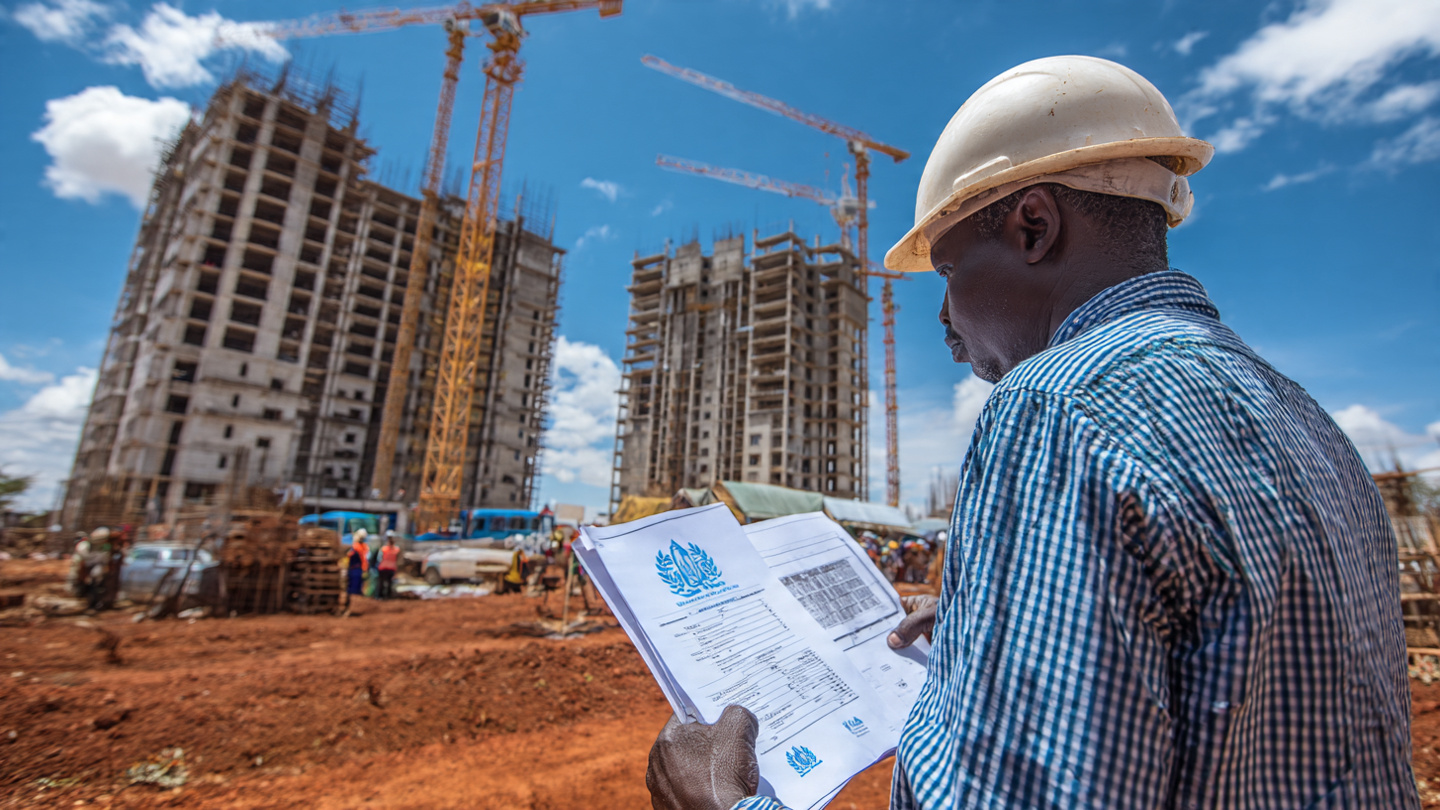
The Enforcement Gap
A code is only as good as its enforcement. Studies show that laws are only as strong as their enforcement. Stop orders issued by both NCA and Nairobi County Government have been ignored. At the South C demolition site that collapsed in April 2026, enforcement actions were taken in May, July, and December 2025 – yet construction continued until the day of collapse, killing at least three people.
This is not just a code problem. It is a capacity and accountability problem. County inspectors are understaffed, underpaid, and sometimes subject to pressure. The NCA has limited reach. Meanwhile, contractors who ignore the rules may face little consequence – until something fails catastrophically.
The new code imposes stricter penalties, but penalties only matter if they are applied. The construction sector is watching to see whether the NCA and counties will actually enforce them.
What This Means for Contractors
For builders and contractors, the current state of the code creates both risks and opportunities.
Risk: Liability. If you build according to the old code but a modern system fails, you may be held responsible – even if the code was silent. Courts and clients expect best practice, not just legal minimums. Contractors must know more than the code. They must know what is actually safe and durable.
Risk: Delays. Projects that require code variances or special approvals face extended timelines. County officers may not understand modern systems and may demand unnecessary tests or redesigns. Build these delays into your schedule and budget.
Risk: Inconsistent enforcement. What is approved in one county may be rejected in another. What is accepted by one inspector may be flagged by another. This unpredictability makes planning difficult.
Opportunity: Expertise as a differentiator. Contractors who truly understand modern building systems – who can explain them clearly to regulators and justify their safety – will win work. Developers want partners who can navigate the approval maze without getting stuck.
Opportunity: Influence. The NCA is updating the code. Contractors with practical experience have a voice. Industry associations, professional bodies, and public comment periods are channels to shape the rules. Contractors who engage can help write a code that works for the buildings Kenya is actually building.

The Way Forward
Kenya does not need to reinvent the wheel. Many countries have moved to performance‑based building codes that state what a building must achieve (fire resistance, structural stability, energy efficiency) rather than how to achieve it. This allows innovation while maintaining safety.
The new National Building Code is a step, but it is not yet that performance‑based system. It is an update to a prescriptive code. That is fine for simple buildings. For the complex towers, hospitals, schools, and factories that Kenya needs, more is required.
In the meantime, responsible contractors will:
- Use international standards as the baseline, not the old code
- Document everything – every design decision, every material test, every inspection
- Engage regulators early and transparently
- Invest in training to understand modern systems
- Push for clearer, more consistent enforcement
The colonial code still rules Kenya’s building sites – but it does not have to rule forever. Until it changes, contractors must build not just to the letter of the law, but to the spirit of safety, quality, and durability that the law was meant to ensure.