For years, the story of retail in Nairobi was about the big malls. Two Rivers. Garden City. The Hub. These destinations dominated headlines, drew international brands, and seemed to define where the city was headed.
But something quieter has been happening beneath the surface. While the mega-malls struggled to fill space, a different kind of retail has been thriving. Smaller. Closer to home. Built for daily life rather than weekend outings.
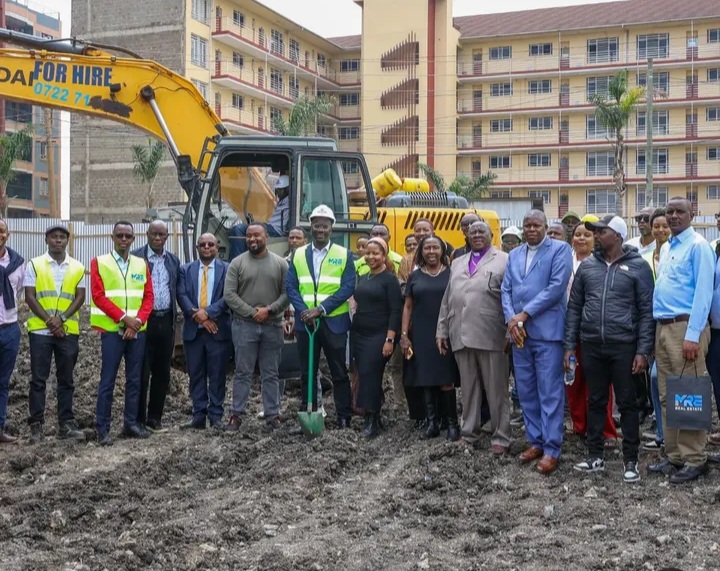
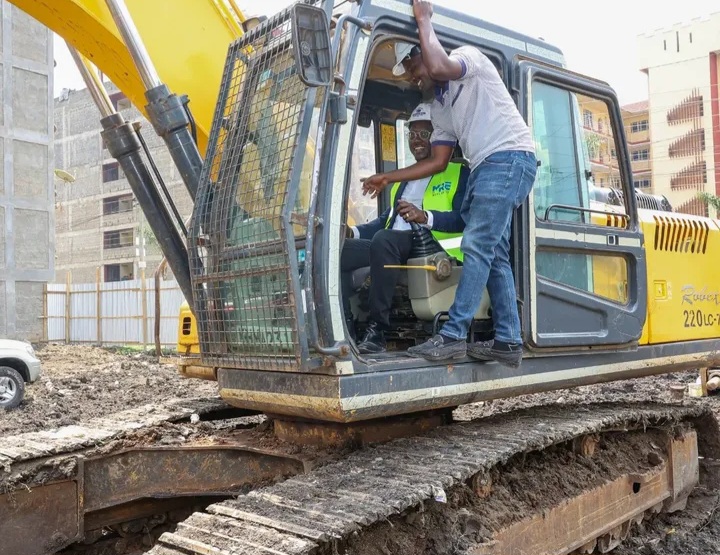
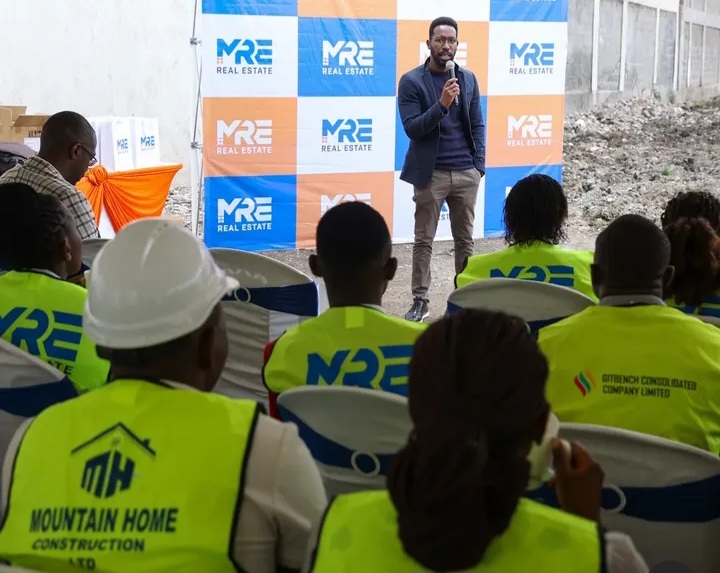
In February 2026, that story got a very public confirmation. MRE Real Estate broke ground on Manyanja Mall, a KSh 400 million mixed-use commercial development in Eastlands, Nairobi . The project is not enormous by mall standards. But it represents something significant: a bet on neighbourhood retail, anchored by established tenants, designed for the way people actually shop.
What Manyanja Mall Tells Us
Let us look at what is being built. The mall will anchor:
- A Quickmart supermarket
- A Rubis petrol station
- Goodlife Pharmacy
- Food outlets
- Flexible SME retail spaces
This is not a speculative project hoping to attract tenants later. The anchors are already committed. The model is deliberate: cluster complementary services that generate sustained daily traffic. A supermarket draws regular shoppers. A pharmacy brings in repeat customers. A petrol station captures commuters. Food outlets keep people on site.
This is the opposite of the “build it and they will come” approach that left some regional malls with vacancy rates that never recovered.
The Numbers Behind the Shift
The Manyanja Mall investment sits within a broader trend. Knight Frank reports that more than 230,000 square feet of retail space entered the market in 2025, largely in the neighbourhood and community mall category .
The big supermarket chains are driving this growth:
- Naivas surpassed 113 stores
- Carrefour grew to 34 outlets
- Quickmart opened its 63rd branch in Ruaka
These are not destination retailers. They are convenience retailers. They succeed by being where people live, not where people drive to once a month.
Why Eastlands?
Eastlands is Nairobi’s most densely populated area. Hundreds of thousands of residents live in estates like Buru Buru, Umoja, Donholm, and Komarock. For years, retail in these areas was dominated by open-air markets, small kiosks, and the occasional standalone supermarket.
The demand for modern, formal retail space in high-density areas has been building for years. Residents want the convenience of a supermarket near home, the reliability of a pharmacy, the predictability of a food court. They do not want to travel to Westlands or Karen for a decent shopping experience.
Manyanja Mall is positioned to serve exactly this demand. It is not trying to attract shoppers from across the city. It is serving the immediate neighbourhood—thousands of households who live within walking distance or a short matatu ride.
The Format That Works
What makes neighbourhood retail different from regional malls?
| Feature | Regional Mall | Neighbourhood Centre |
|---|---|---|
| Size | 200,000+ sq ft | 20,000–80,000 sq ft |
| Catchment | City-wide or regional | 1–3 km radius |
| Anchor | Multiple large retailers | Single supermarket or grocery |
| Tenant mix | Fashion, entertainment, dining | Convenience, pharmacy, quick service food |
| Traffic pattern | Weekend, evening | Daily, high frequency |
| Resilience | Vulnerable to oversupply | Stable, demand-driven |
The Manyanja Mall fits the neighbourhood centre profile. Its success will depend on serving the daily needs of nearby residents, not on attracting destination shoppers.
What This Means for Builders
For contractors and builders, the shift toward neighbourhood retail creates steady, predictable work.
First, the projects are manageable. A KSh 400 million development is significant but not overwhelming. It is within reach for medium-sized contractors who have experience in commercial construction. The timelines are shorter, the complexity lower, and the financing often more certain than for speculative mega-projects.
Second, the demand is diversified. The supermarket chains expanding across Nairobi—Naivas, Quickmart, Carrefour—have their own development pipelines. They are not waiting for developers to approach them. They are actively seeking sites and partners. A contractor who builds a good relationship with a chain can get repeat work across multiple locations.
Third, the model is replicable. Eastlands is not the only high-density area underserved by formal retail. Similar opportunities exist in Embakasi, Ruiru, Kangemi, Kayole, and other densely populated neighbourhoods. Once the Manyanja Mall proves successful, developers will look for the next site.

The Retail Recovery Context
The neighbourhood retail surge comes at a time when the broader retail sector is showing signs of recovery, but unevenly. Knight Frank notes that limited new retail supply and stronger demand for convenience-led formats have helped stabilise occupancy levels across quality retail stock .
Large regional malls that opened in the previous decade still carry vacancy, and developers are cautious about new projects in that category. But neighbourhood centres—especially those anchored by a committed supermarket—are finding financing and tenants.
This is a market that has learned from past mistakes. The overbuilding of large malls in the mid-2010s left scars. Developers now want pre-committed anchors before breaking ground. Lenders want proven formats. Tenants want locations with demonstrated traffic.
What Contractors Should Watch
If you are a contractor eyeing this segment, here is what to pay attention to.
Anchor tenants are key. The Manyanja Mall project secured Quickmart, Rubis, and Goodlife before construction began. This de-risks the project for the developer and for you as a contractor. When evaluating potential projects, ask: are the anchors signed? If not, proceed with caution.
Mixed-use is the norm. Manyanja Mall is mixed-use—retail plus petrol station. Other neighbourhood centres may include office space, medical clinics, or residential units. Contractors with experience across different building types will be better positioned.
Speed matters. Developers of neighbourhood centres often want fast construction to start generating rental income. Your ability to mobilise quickly and deliver on schedule is a competitive advantage.
Local knowledge is valuable. Eastlands has its own logistical challenges: narrow roads, heavy traffic, informal settlements nearby. Contractors who understand these conditions—who know how to manage deliveries, security, and community relations—will win work.

The Bigger Picture
The Manyanja Mall ground-breaking is one project. But it sits within a larger shift in Kenyan retail. The era of the big regional mall may not be over, but it is maturing. The growth now is in neighbourhood centres, convenience formats, and mixed-use developments that serve daily life rather than aspirational shopping.
For builders, this is good news. It means steady, diversified work. It means projects that are sized for medium-sized contractors. It means repeat opportunities with expanding supermarket chains. It means building things that people actually use every day, not just on weekends.
The KSh 400 million bet on Eastlands is a bet on the way Nairobi actually lives. It is a bet that residents of high-density neighbourhoods want and deserve modern retail close to home. And it is a bet that the contractors who build these centres will find themselves in demand for years to come.
Enjoy every single day