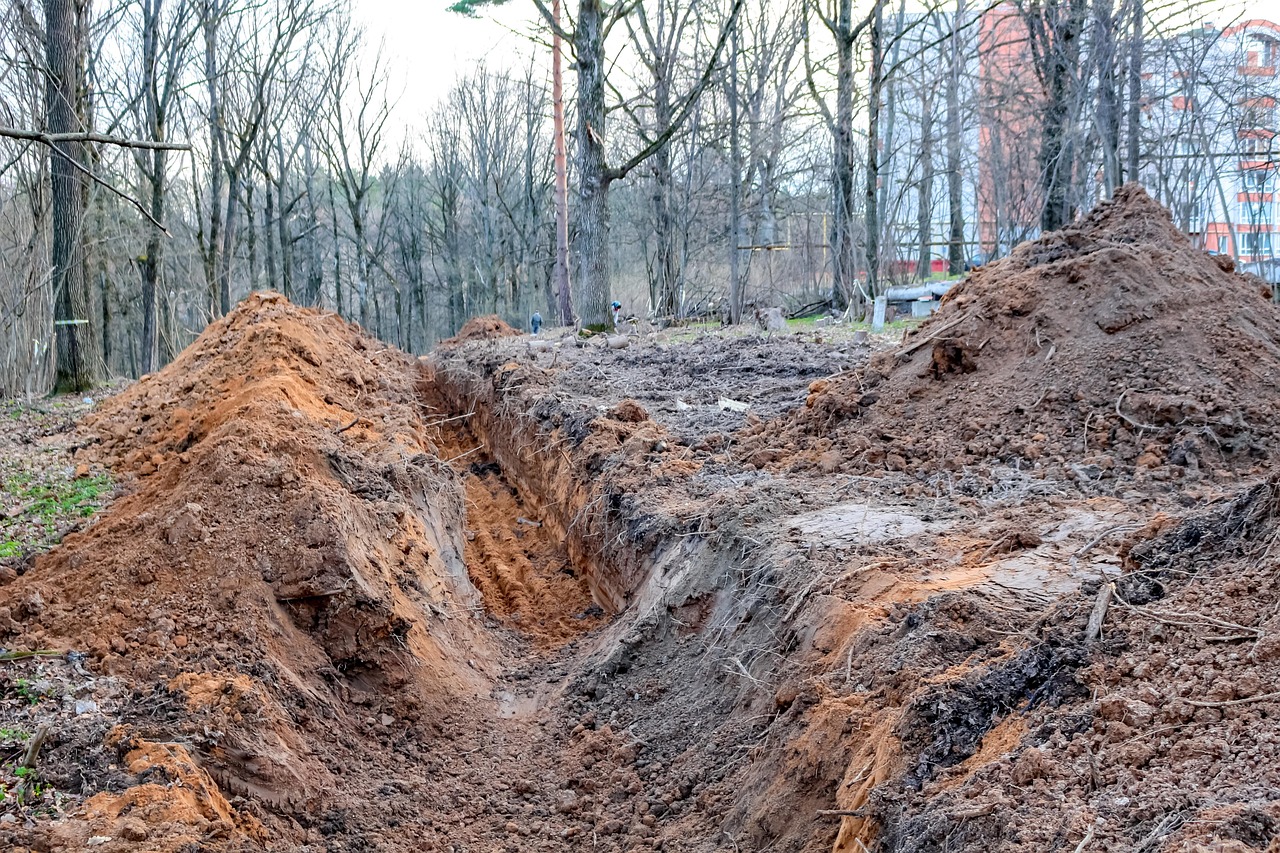
If you live in Nairobi, you know the drill. A water pipe bursts. The utility company arrives. They cordon off a section of road. Then the jackhammers start. For days or weeks, sometimes months, you navigate around trenches, dust, and detours. Businesses lose customers. Commuters lose time. Everyone loses patience.
That is about to change.
The Athi Water Works Development Agency (AWWDA) has unveiled a Ksh 1.6 billion pipeline project that will upgrade Nairobi’s ageing water network without tearing up a single metre of road .
No trenches. No traffic chaos. No complaints from businesses along the route.
The Technology That Makes It Possible
Engineers call it Horizontal Directional Drilling (HDD) . In plain language, it is a way of installing pipes underground without digging a continuous trench from start to finish.
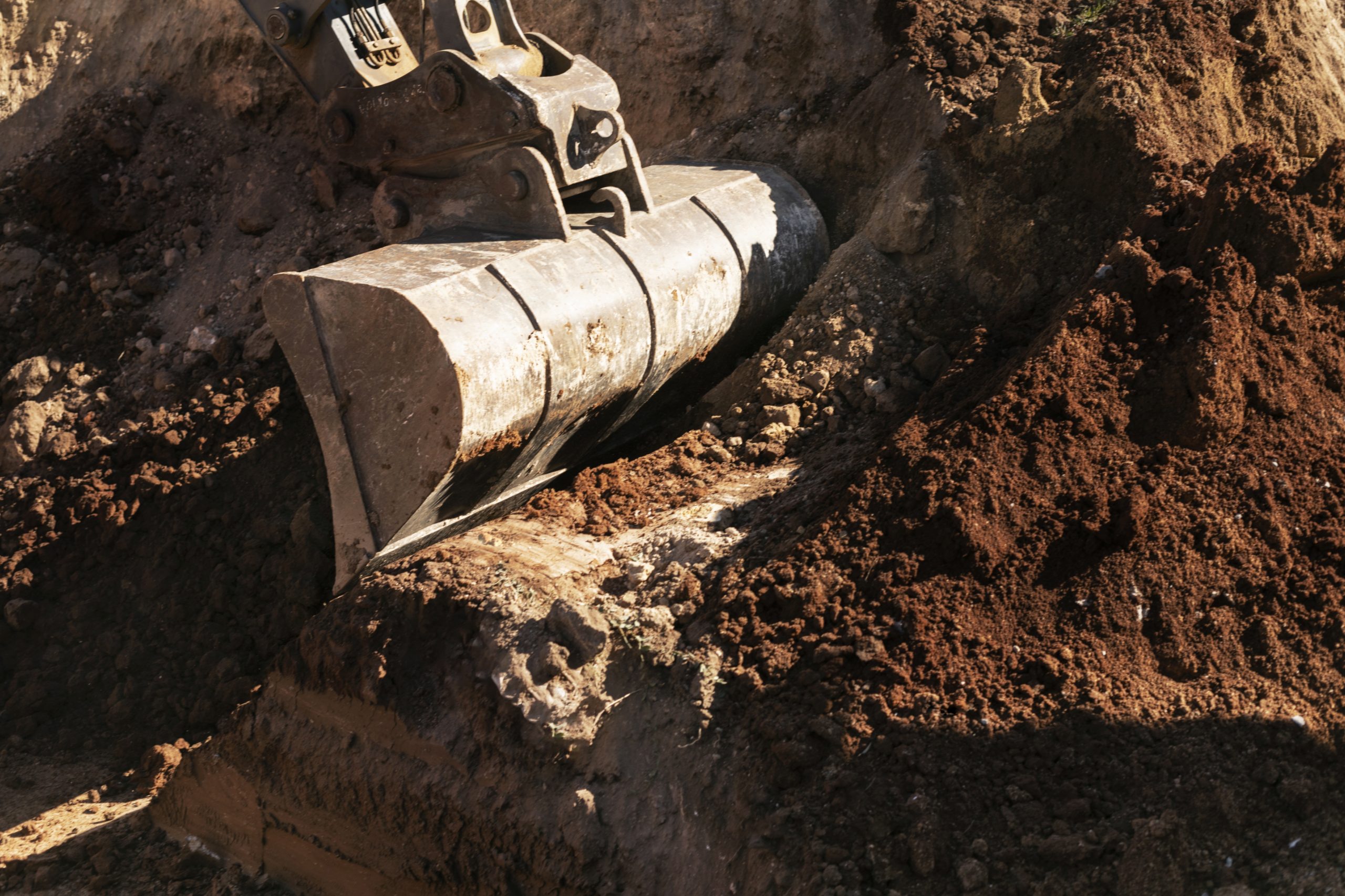
Think of it like this. Instead of cutting open a road from end to end, the crew digs two small holes—one at the entry point, one at the exit. A drilling rig then pushes a pilot bore underground along a precise path. Once that bore reaches the exit, it is gradually enlarged until it can accommodate the new pipe. Finally, the pipe is pulled back through the tunnel.
The surface stays intact. Traffic keeps moving. Businesses keep trading.
This technology has been widely adopted in Europe and North America for decades. In Kenya, it has been used occasionally for short crossings under roads or railways. But this project marks the first time it is being deployed at scale for a major urban water upgrade.
What the Project Actually Involves
The numbers tell the story. Ksh 1.6 billion. New high-density polyethylene (HDPE) pipes being installed beneath Nairobi’s streets. The work runs from February 2026 to November 2027, funded by the French Development Agency (AFD) .
The existing pipes in many parts of Nairobi are old. Some date back decades. They leak. They burst. They lose water before it ever reaches households. The new HDPE pipes are corrosion-resistant, flexible, and designed to last generations.
But the real innovation is not the pipe material. It is the installation method.
AWWDA Sociologist Mohammed Koech put it memorably. He described the project as “keyhole surgery for the city. The diseased arteries are replaced without open-heart surgery. The surface stays intact. Life continues, only with greater reliability” .
Why This Matters Beyond the Water Sector
For residents along the project route, the benefit is obvious. Fewer disruptions. Better water supply. No months-long excavation outside their homes or businesses.
But for Nairobi’s construction industry, this project signals something deeper.
First, it proves the technology works here. HDD has been available in Kenya for years, but mostly for small-scale applications. This project demonstrates that it can be deployed at city scale with international financing and oversight. That matters for future infrastructure projects.
Second, it raises questions about skills. Horizontal directional drilling requires specialised equipment and trained operators. Are Kenyan firms building this capability? Are training programmes keeping pace? The firms that invest in these skills now will be positioned for similar projects down the line.
Third, it changes how we think about urban infrastructure. Nairobi is dense. Roads are congested. Digging them up for every utility upgrade is increasingly untenable. Trenchless technologies offer a way to maintain and upgrade buried infrastructure without paralysing the city above it.

The Human Element the Engineers Don’t Talk About
One detail in the project announcement caught my attention. Alongside the technical specifications, AWWDA included a Livelihoods Restoration Plan .
Why? Because when you dig trenches through a city, you do not just disrupt traffic. You disrupt people whose livelihoods depend on the street. The food vendor outside the construction site. The shopkeeper whose customers cannot park. The hawker whose pitch becomes inaccessible.
Trenchless construction avoids most of this. But some disruption is inevitable—site entry points, equipment staging areas, temporary access changes. The Livelihoods Restoration Plan exists to support informal traders and small businesses during construction, ensuring they are not left worse off .
Mohammed Koech, the same sociologist who used the keyhole surgery analogy, is responsible for this side of the project. It is a reminder that infrastructure is not just engineering. It is people.
What This Means for Different Players
| Who | What This Project Means for Them |
|---|---|
| Civil engineering contractors | HDD capability is becoming a competitive advantage. Firms without it may find themselves excluded from future urban infrastructure tenders. |
| Utility companies | The success of this project will influence how other utilities—sewer, power, fibre—approach network upgrades in dense areas. |
| Local authorities | Approving trenchless projects becomes easier when there is a proven local precedent. Expect more councillors and county officials to ask “Why can’t we do it like the water project?” |
| Small businesses along project routes | Fewer months of disruption. Better communication. Formal support if disruption occurs. A template for how infrastructure should be delivered in future. |
| Residents | Faster project completion. Less dust and noise. Better water supply at the end. |
The Larger Pattern
This project is not happening in isolation. It sits within a broader shift toward minimally invasive urban infrastructure globally and, increasingly, in Kenya.
Look at what else is happening:
- Fibre optic installations increasingly use trenchless methods to avoid digging up roads.
- Power utilities are exploring directional drilling for cable crossings under highways and railways.
- The proposed Nairobi sewer upgrades mentioned in Governor Sakaja’s Sh80 billion plan could benefit from similar approaches .
Each project builds experience. Each project trains more operators. Each project makes the technology more accessible and affordable for the next one.
The Question for Builders
For construction firms reading this, the question is straightforward.
Do you understand Horizontal Directional Drilling? Do you have access to the equipment? Do you have trained operators? Do you know how to price a trenchless project versus a traditional open-cut project?
If the answer is no, consider whether that needs to change.
This project will not be the last of its kind. It is a demonstration. A proof of concept. When it succeeds—and all signs suggest it will—other agencies will follow. Other utilities will follow. Other counties will follow.
The firms ready to deliver trenchless projects will have work. The firms still relying solely on open-cut methods will find themselves competing for a shrinking slice of the market.
The Bottom Line
Ksh 1.6 billion is real money. Eighteen months is a real timeline. New pipes beneath Nairobi’s streets are real infrastructure.
But the most important thing being installed is not the pipes. It is a new way of thinking about how we build in dense, live cities.
The jackhammers will still sound elsewhere. But along this project route, they will be silent. Traffic will flow. Businesses will trade. And when the work is done, residents will have better water without ever having cursed the construction that brought it.
That is the kind of infrastructure every city deserves.