If you have walked onto a construction site in Kenya recently, you may have noticed something different. Among the seasoned foremen and experienced artisans, there are younger faces. They carry notebooks. They ask questions. They are learning.
They are part of something deliberate.
In January 2026, President William Ruto hosted 5,500 graduate interns at State House—architects, engineers, quantity surveyors, and other construction professionals beginning one-year attachments under the Affordable Housing Programme . This was not a photo opportunity. It was the public launch of a quiet transformation in how Kenyan construction sites operate.

Who These Interns Are
These are not school leavers looking for casual experience. They are university and technical college graduates who have completed their degrees and diplomas. They are qualified architects, structural engineers, mechanical and electrical engineers, quantity surveyors, and construction project managers.
They have been placed across more than 240 consulting firms and 800 local companies involved in the Affordable Housing Programme . At project sites in Kikuyu, Limuru, and Ngong, each site hosts at least 30 interns, absorbing daily site operations, project management, reporting, and coordination .
For the firms hosting them, this is not charity. It is structured workforce development with government coordination.

Why This Matters for Site Dynamics
The arrival of 5,500 trained professionals onto active construction sites changes things. Not overnight, but noticeably. Here is how.
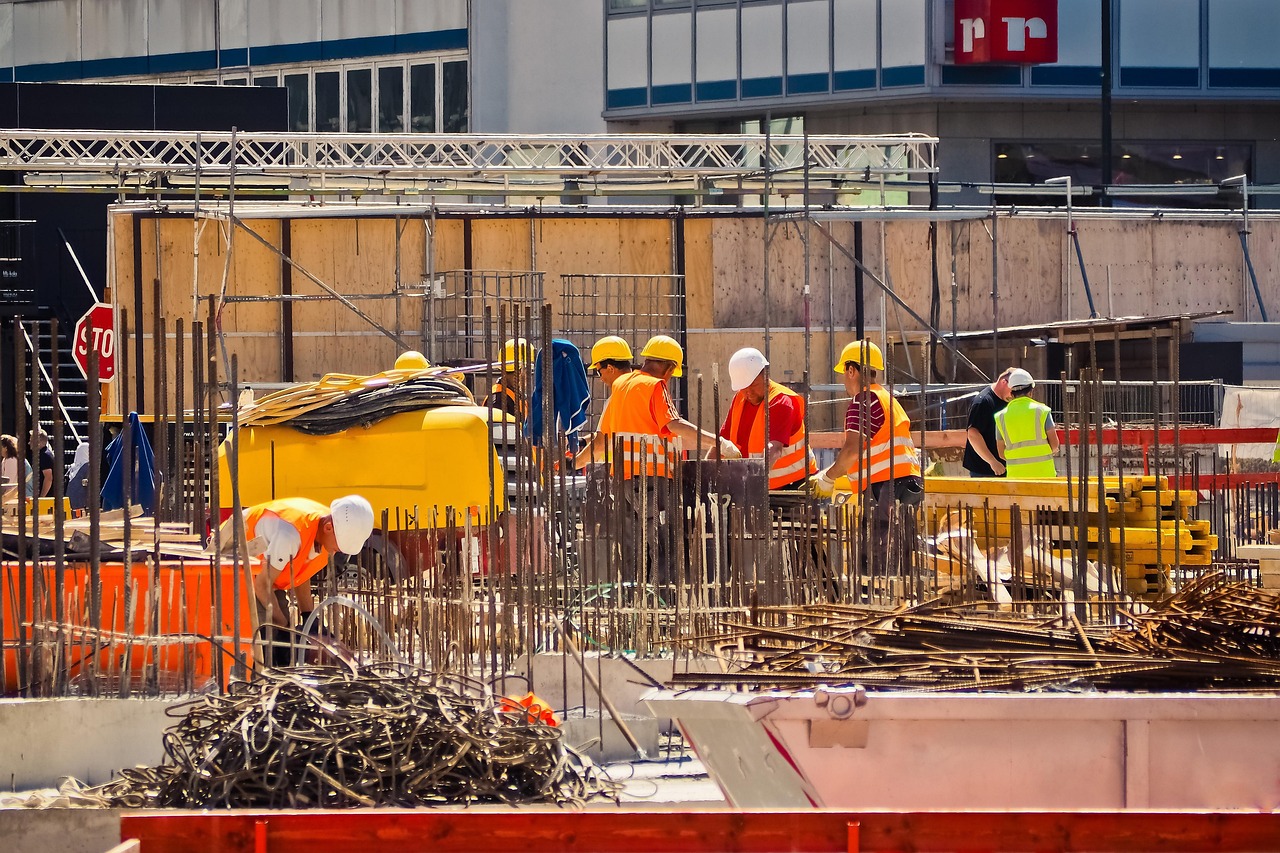
First, sites gain additional capacity. A project running with 30 interns has 30 extra pairs of eyes. Measurements can be double-checked. Reports can be prepared more thoroughly. Coordination between trades can be managed more closely. For supervising engineers stretched across multiple responsibilities, this support is tangible.
Second, digital fluency enters the site. These interns have grown up with technology. They are comfortable with project management software, digital measurement tools, and mobile reporting. They bring practices that older workers may not have adopted simply because no one introduced them. The knowledge transfer is not one-way.
Third, structured learning becomes part of daily work. When interns are present, explanations happen more often. Senior staff must articulate why things are done a certain way. This benefits everyone. The act of teaching reinforces the teacher’s own understanding.
Fourth, succession planning begins. The construction industry has long worried about an aging workforce and a skills gap. Here is the gap being filled, deliberately and at scale. The foremen of 2036 are on site today, learning from the foremen of 2026.
The Government’s Framing
President Ruto framed the programme explicitly in terms of economic transformation. His words are worth quoting directly:
“Philippines created six and a half million jobs using investment in public infrastructure. What we are doing in Kenya is not an invention. It is what is tested, what is tried and what works” .
The logic is straightforward. Public infrastructure investment creates jobs directly—on sites, in supply chains, in supporting services. But it also creates a trained workforce capable of sustaining the industry long after specific projects complete.
The Affordable Housing Programme has already created over 500,000 jobs for young people and women . The internship programme adds a layer of professional development on top of that basic employment.

What This Means for Consulting Firms
Participation in the programme came with adjustments. Consulting firms initially had to reduce their fees to 2 percent from the usual 8 to 14 percent . The government has since raised this to 3 percent in recognition of their contribution .
For firms that took on interns, the economics required recalibration. Lower fees but additional staff. The trade-off was access to young talent and alignment with a national priority.
For builders and contractors, the presence of these interns means working alongside consulting firm staff who may themselves be learning on the job. This requires patience and clear communication. The senior engineer on site remains responsible. The intern assists, learns, and gradually takes on more.
The Management Challenge
Hosting 30 interns is not passive. It requires:
- Supervision capacity. Someone must coordinate their activities, assign tasks, and ensure they are learning rather than standing idle.
- Structured rotation. Interns need exposure to different aspects of the project—site surveys, material testing, progress reporting, quality checks.
- Mentorship time. Senior staff must be available to explain, demonstrate, and review.
- Safety induction. Every new person on site needs basic safety training. Thirty at once is a significant induction exercise.
Builders who treat interns as free labour will find them ineffective. Builders who treat them as developing professionals will gain capable assistants and build loyalty for the future.

The Retention Opportunity
Here is a question worth asking: what happens when the one-year attachment ends?
The best interns will be employable. They will have spent a year on active sites, working alongside experienced professionals, building networks, and accumulating practical knowledge. They will be attractive to other employers.
For the firms hosting them, there is an opportunity. If you have invested a year in someone’s development, letting them walk away is wasted investment. Forward-thinking builders are already identifying which interns they want to retain and planning how to bring them on permanently.
This is how you build a young, skilled, loyal workforce—not by hiring strangers, but by growing your own talent.

What 2026 Looks Like for Builders
Stepping back, here is what this skills pipeline means for a Kenyan construction firm operating in 2026.
Your site has more people on it. Accept this as the new normal. Plan for it. Induction, supervision, safety—factor these into your site management from day one.
You have an opportunity to shape the next generation. The interns on your site will remember how they were treated. They will remember what they learned. They will become the engineers, architects, and managers you work with in future years. Treat them well.
Your experienced staff matter more than ever. They are the ones doing the teaching. Their knowledge is the curriculum. Acknowledge this. Value them. They are not just building projects; they are building the industry.
Retention is a competitive advantage. The firms that convert interns into employees will build stronger teams than those that start from scratch every time. Start thinking now about who you want to keep.
The Bigger Picture
Five thousand five hundred interns in one cohort. Over 500,000 jobs created. Two hundred and forty consulting firms involved. Eight hundred local companies participating.
These numbers represent a deliberate, sustained investment in Kenya’s construction workforce.
For decades, the industry has complained about a skills gap. Here is the gap being filled—not by waiting for things to improve, but by putting 5,500 trained young professionals onto active sites and letting them learn from the best.
The foremen of the future are on site today. The question is whether you are helping to build them.