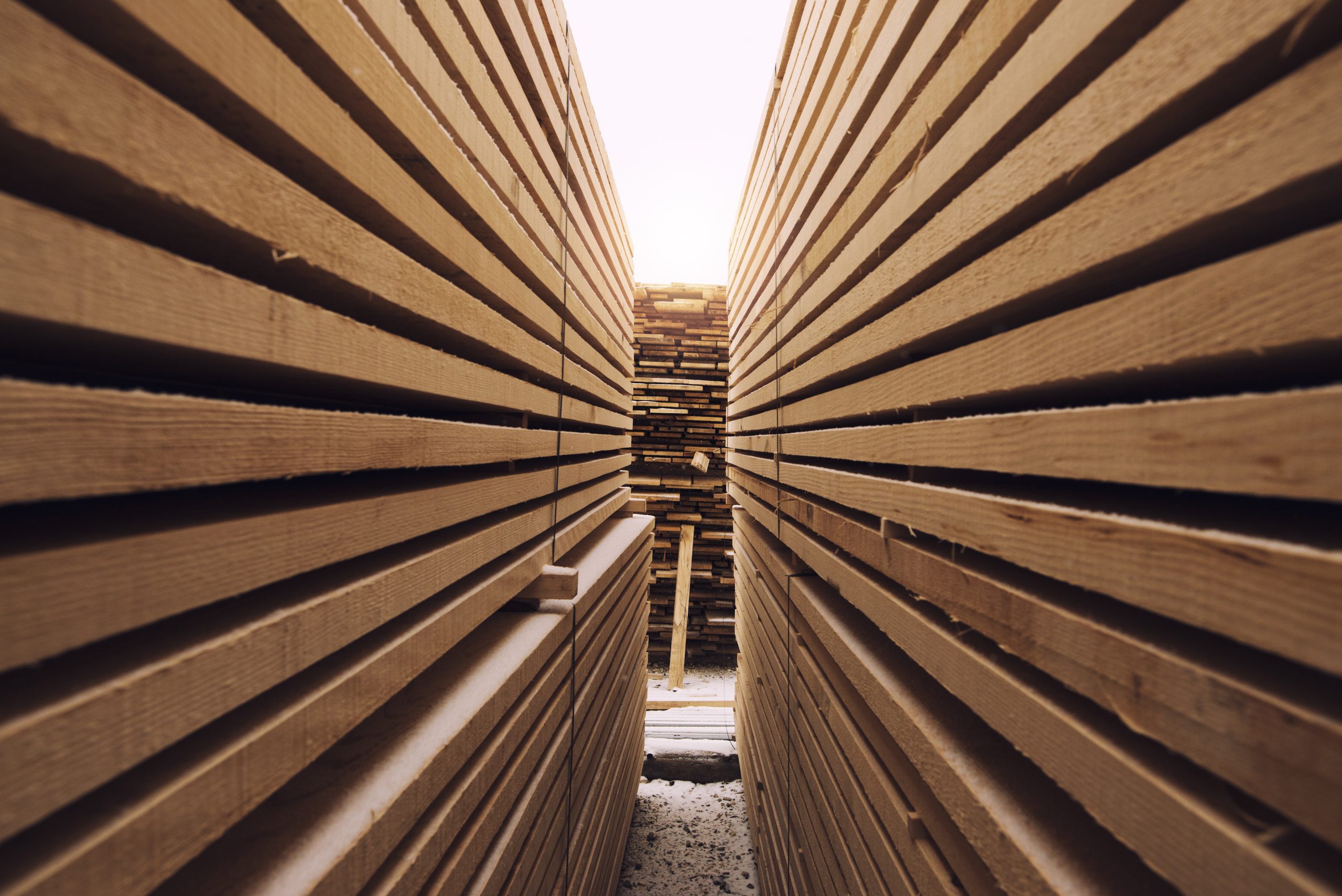
For decades, timber in Kenyan construction has played a supporting role. Formwork during pouring. Roof trusses hidden from view. Interior finishes applied last. It has been useful, yes, but never central to the conversation about structural materials.
That is changing.
In late 2025, the government unveiled the Industrial Wood Sector Vision 2050, a comprehensive roadmap that positions timber not as a secondary character, but as a serious structural contender for Kenya’s built environment . This is not environmental sentiment dressed up as policy. It is a hard-nosed industrial strategy with specific targets, regulatory backing, and economic implications that every builder and developer should understand.
Here is a number that stops you mid-thought: Kenya’s industrial wood sector currently contributes about Sh5 billion annually to GDP, yet it meets less than 10 percent of national demand . That gap—the 90 percent we are not producing—represents either a problem or an opportunity, depending on whether you see it coming.
Currently, about half of Kenya’s wood needs are met through imports . That is timber from elsewhere satisfying demand that local supply cannot touch. It means jobs elsewhere, value addition elsewhere, economic multiplier effects elsewhere.
The Vision 2050 aims to flip this completely.
By 2050, the government targets:
These are not abstract aspirations. They are quantified, tracked, and backed by regulatory reform.
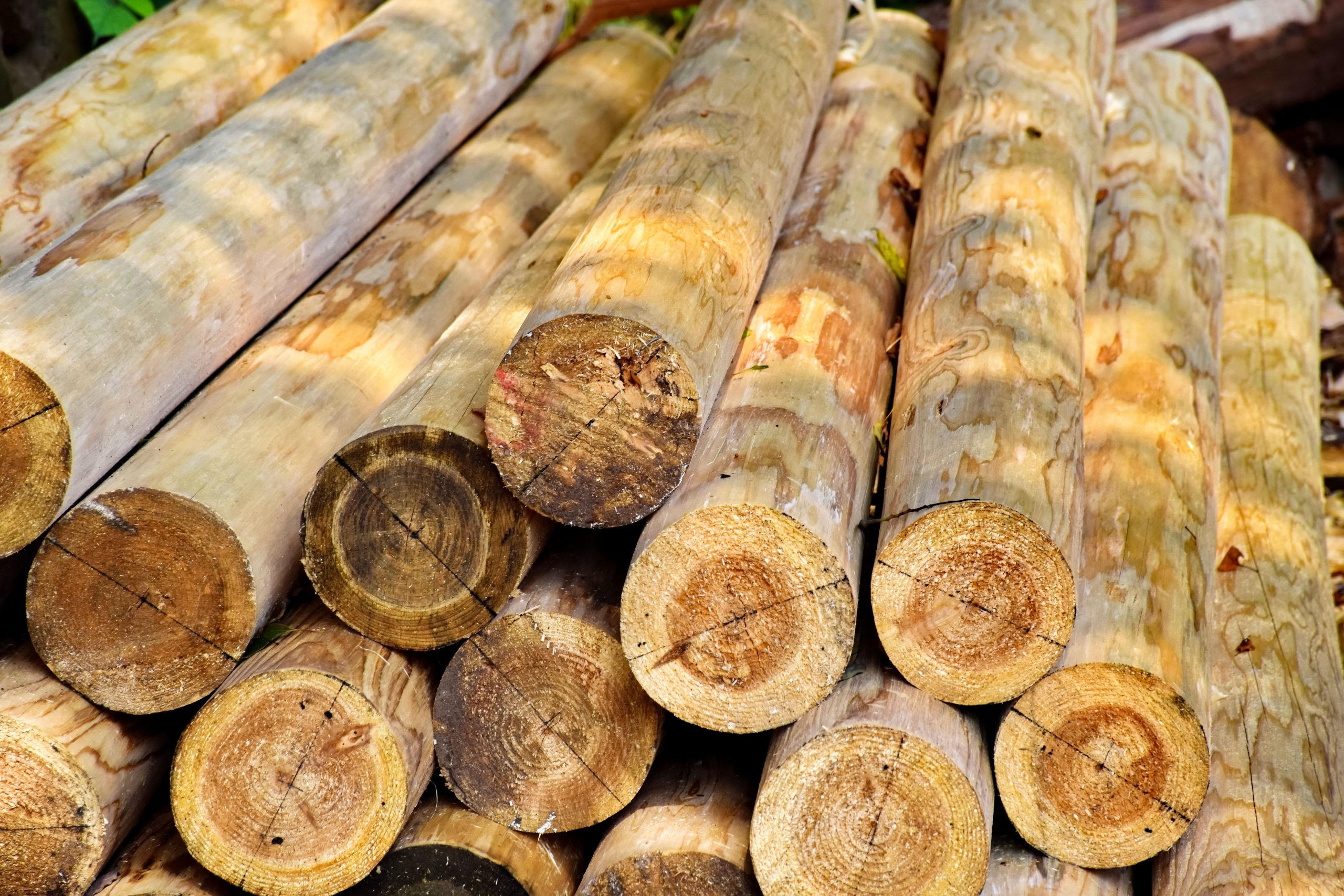
The question is legitimate. Why is the government betting on timber in 2026?
Three reasons converge.
First, construction materials carry a significant carbon footprint. The building sector generates an estimated 32 percent of Kenya’s carbon emissions . Cement and steel are essential, but they are also carbon-intensive. Timber, sustainably sourced, stores carbon rather than emitting it. Under Kenya’s COP28 commitments, the government has committed to developing standards for wood-based construction . This is not optional. It is treaty-level obligation.
Second, the economics of tree farming are compelling. Principal Secretary for Forestry Gitonga Mugambi illustrated it simply: a single tree purchased from a farmer at Sh5,000 can generate up to Sh30,000 once processed into furniture . That is six times the value staying in the local economy. Multiply that across millions of trees, and you begin to see the scale of transformation.
Third, moratoriums and supply uncertainty have historically crippled the sector. Past bans on logging, while environmentally necessary, created business closures and job losses . The Vision 2050 replaces ad-hoc moratoriums with regulated, sustainable harvesting frameworks. Predictability replaces uncertainty.
Vision documents are useful. Regulations are what matter. And here, the government is moving.
Cabinet Secretary for Environment, Climate Change and Forestry, Dr. Deborah Barasa, confirmed that eight regulations under the Forest Conservation and Management Act 2016 are being finalized . These include:
For builders, this means that using timber structurally will soon operate within a clear, enforceable framework. You will know what certified timber looks like. You will know where it comes from. You will know it is legal.
This matters because the crackdown on illegal timber is already affecting supply. The government’s enforcement efforts are projected to contribute to rising timber prices—some estimates suggest processed wood costs could double as the formal market replaces the informal one . Builders who rely on informal supply chains will feel this acutely. Those who transition to certified, sustainable sources will adapt.
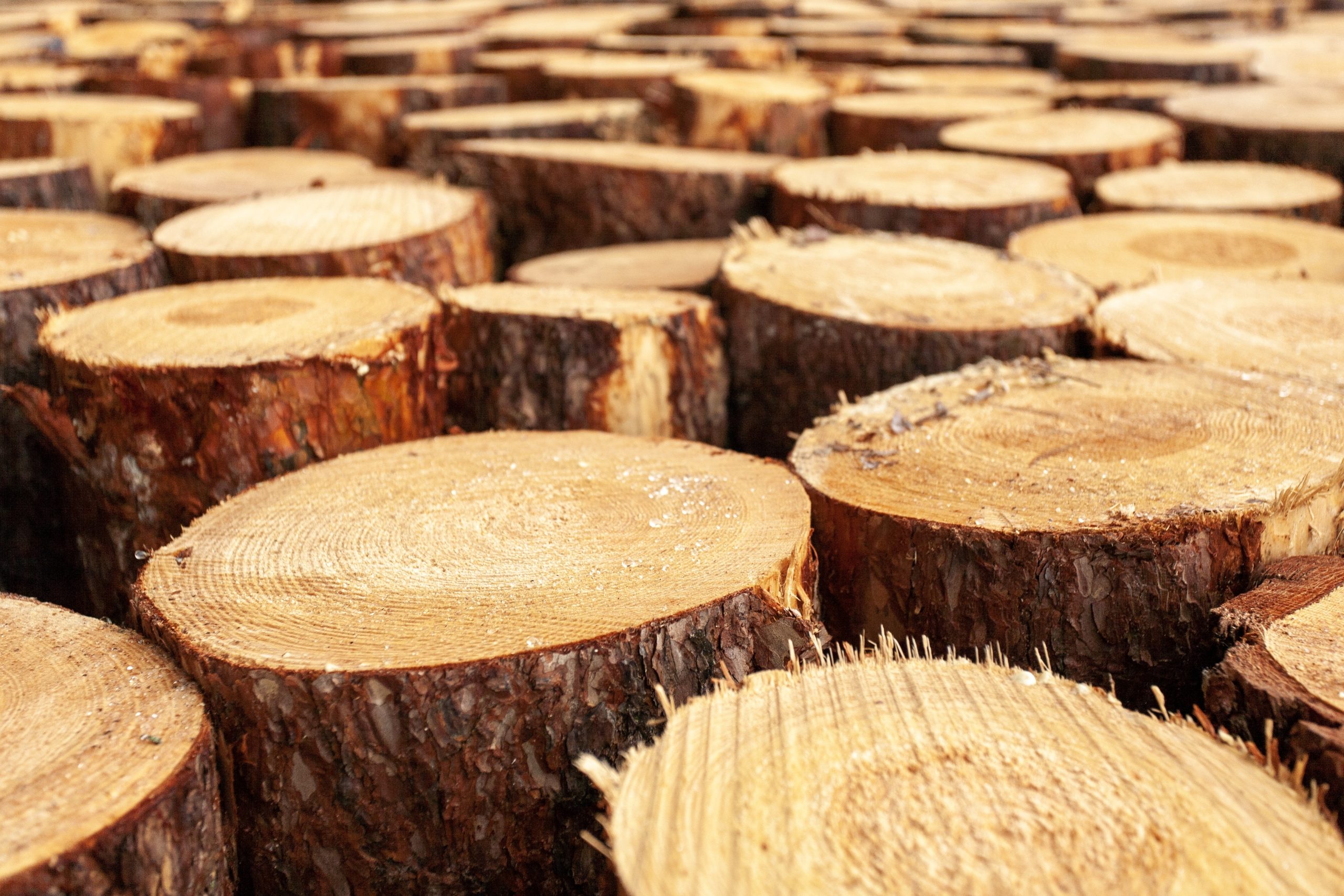
Let us move from policy to practice. How does this affect a builder in 2026?
Material costs will shift. Currently, timber in Kenya is often cheaper than it should be because a portion of supply bypasses regulation. As traceability tightens and sustainable harvesting becomes the norm, prices will adjust upward to reflect true production costs. Budget accordingly.
Design possibilities expand. Engineered wood products—glulam, cross-laminated timber, mass timber panels—are not yet common in Kenya. The Vision 2050 explicitly aims to develop standards for wood-based construction . That opens the door for architects and builders to specify timber for structural applications previously reserved for concrete and steel.
Supply chains will formalize. Smallholder farmers currently grow much of Kenya’s trees, often without reliable buyers . The Vision targets increasing grower participation from 2.7 million to 7.5 million households . More growers mean more supply. More supply, with clear standards, means builders can source confidently rather than hunting for material project by project.
Skills become an advantage. Working with timber structurally requires different knowledge than working with concrete. Joints, load paths, moisture management, fire protection—these are understood disciplines globally but less common locally. Builders who invest in understanding timber engineering now will have a head start when clients begin asking for sustainable, timber-focused designs.
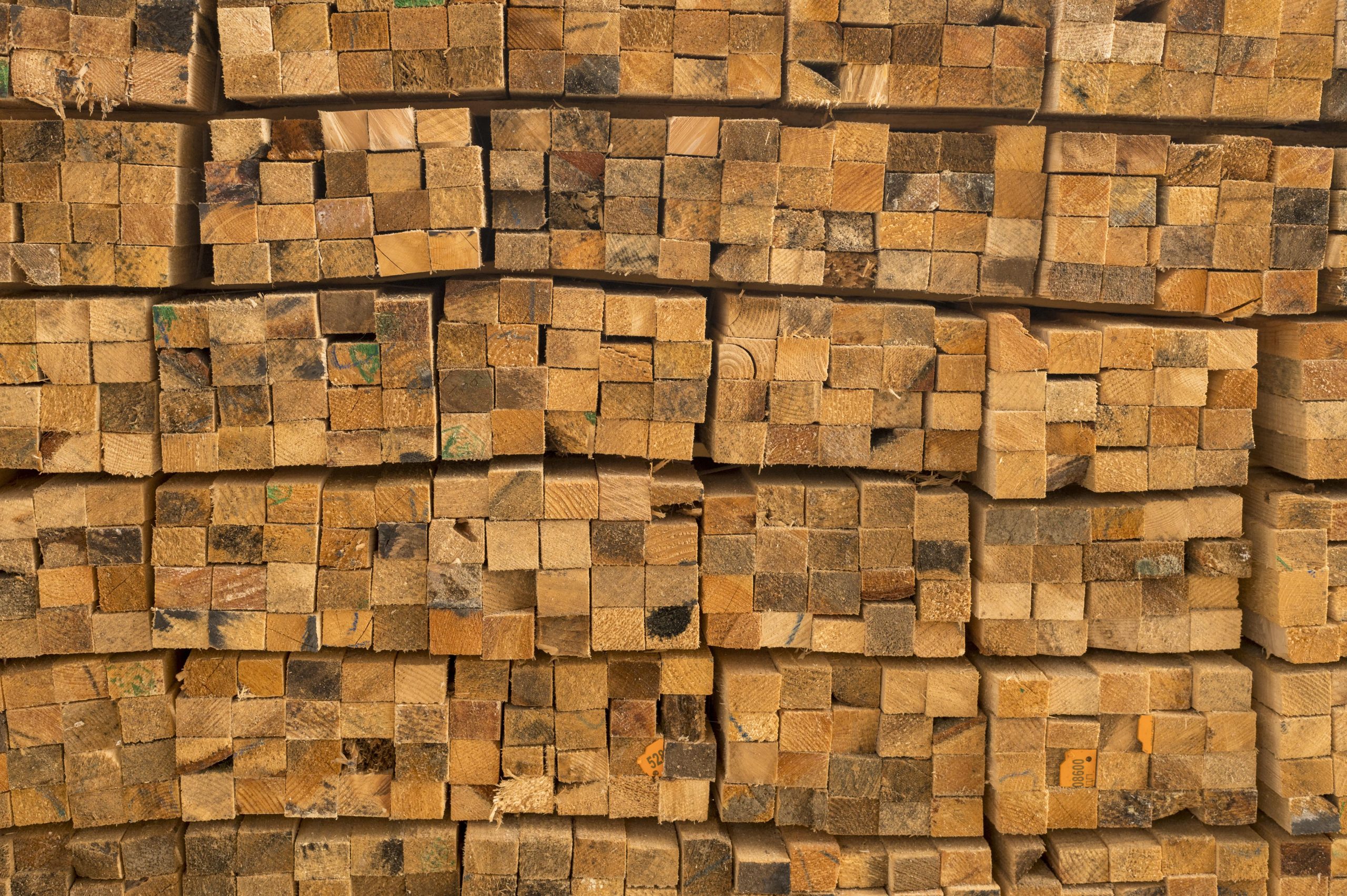
The Vision 2050 is not government-imposed. It is government-enabled, with private sector participation built into its core.
The launch event at the 3rd Woodtech Africa International Exhibition brought together furniture manufacturers, interior designers, architects, real estate developers, timber merchants, and industry players . Radeecal Communications, which organized the event in partnership with government, positioned it as a continental platform for investment, networking, and knowledge-sharing .
This matters because it signals that the shift toward timber is not top-down. It is collaborative. Industry stakeholders are shaping the regulations, standards, and market structures that will govern timber construction for decades.
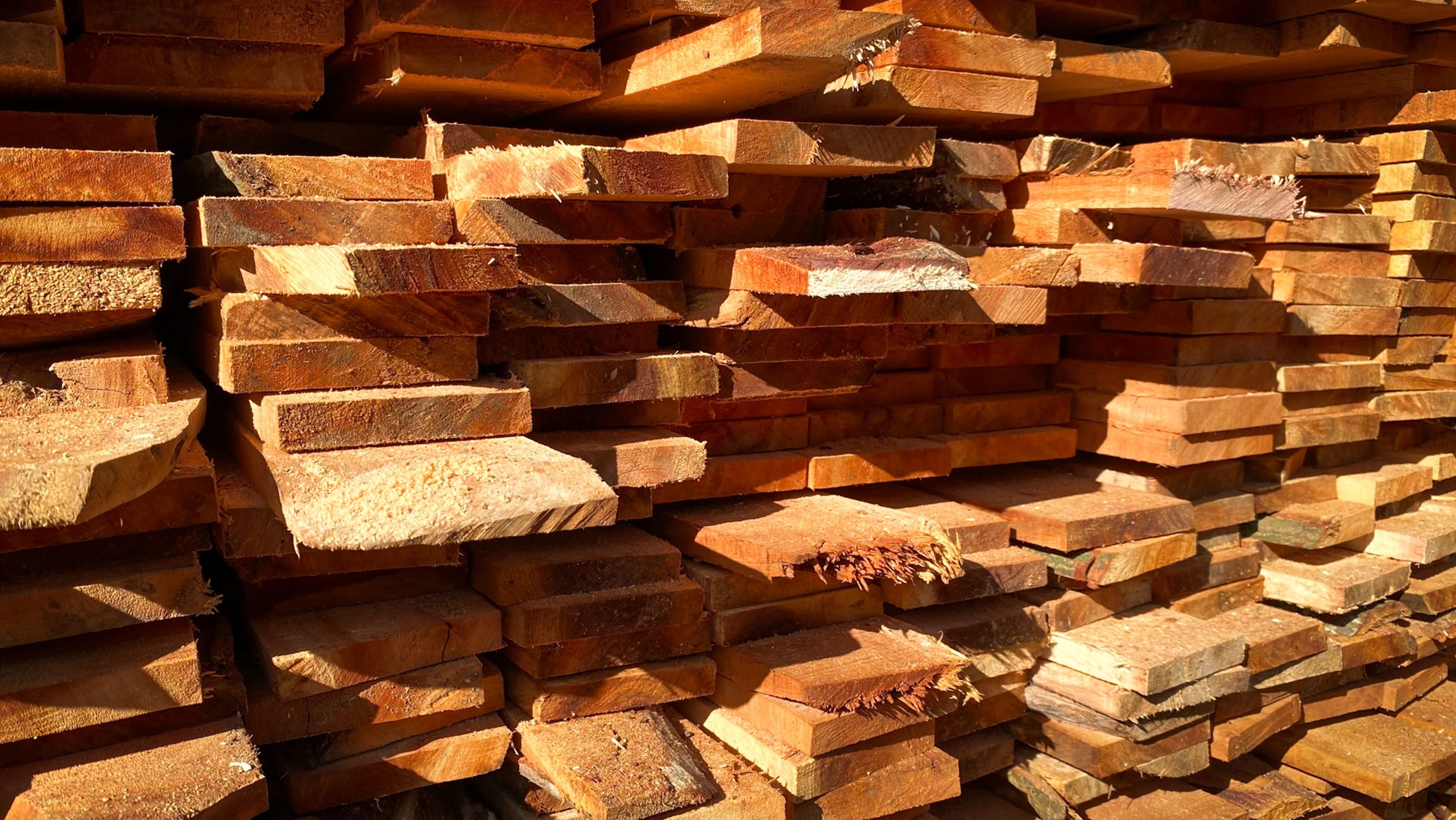
Stepping back, the Industrial Wood Sector Vision 2050 aligns with several national frameworks: the Bottom-Up Economic Transformation Agenda, the National Forest Policy 2023, the Green Economy Strategy, and the 15 billion tree-growing programme targeting 30 percent tree cover by 2032 .
These are not separate initiatives. They are interconnected.
The wood sector cannot thrive without the ecosystems that sustain it. The tree-growing programme cannot succeed without a vibrant wood industry that gives economic value to the trees planted . Builders cannot specify timber without reliable supply. Supply cannot grow without builders specifying timber.
It is a circle, and the Vision 2050 is designed to close it.
For builders reading this in 2026, the question is not whether timber becomes a structural material in Kenya. It is how quickly, and who benefits.
The numbers are too large to ignore. Sh5 billion today, Sh137 billion by 2050. Fifteen thousand jobs today, eighty-five thousand by 2050. Meeting less than 10 percent of demand today, multiple increases in supply over the coming decades .
These are not incremental changes. They are structural shifts.
Builders who understand timber—its properties, its possibilities, its supply chains, its economics—will be positioned to participate in that growth. Builders who wait for timber to prove itself before engaging will find themselves catching up.
The Vision 2050 is not a distant future. It is a present reality, unfolding now, with regulations being finalized, standards being developed, and supply chains being formalized.
Timber’s moment in Kenyan construction has arrived. The question is whether you are ready for it.