For years in Kenya’s construction industry, conversations about Environmental, Social, and Governance (ESG) often felt theoretical. Today, that conversation has moved from the boardroom to the building site. In 2026, ESG is no longer a niche concern or a marketing add-on—it’s becoming a core requirement for qualifying for and winning major tenders, securing financing, and building a resilient, future-proof business.
This shift is driven by a powerful convergence: financiers are adding green criteria to loans, government and corporate clients are demanding ethical and sustainable practices, and the market itself is maturing beyond price-only decisions toward long-term value and reliability.
The Practical Drivers: Why ESG Matters Now More Than Ever
The move toward ESG is not just about ethics; it’s a response to tangible market pressures reshaping the Kenyan construction landscape.
- Financing with Strings Attached: Access to capital is increasingly tied to demonstrable ESG performance. Local and international lenders, including development banks financing large infrastructure projects, are incorporating green and social criteria into their lending decisions. A clear ESG framework isn’t optional; it’s a key that unlocks critical funding.
- The Evolution of Procurement: As noted in analyses of the market, procurement behavior is evolving. Buyers—especially for large-scale, long-term projects—are prioritizing partners who can guarantee supply continuity, technical support, and a commitment to quality and safety standards over the lowest upfront bid. Your ESG plan is proof of this long-term reliability.
- A Competitive Market Advantage: In a recovering yet competitive market, differentiation is key. Firms that can showcase verified sustainable practices, community engagement, and transparent governance are not just checking a box. They are building trust and positioning themselves as leaders for the future of Kenyan construction.

Building Your ESG Framework: A Practical Guide for Kenyan Contractors
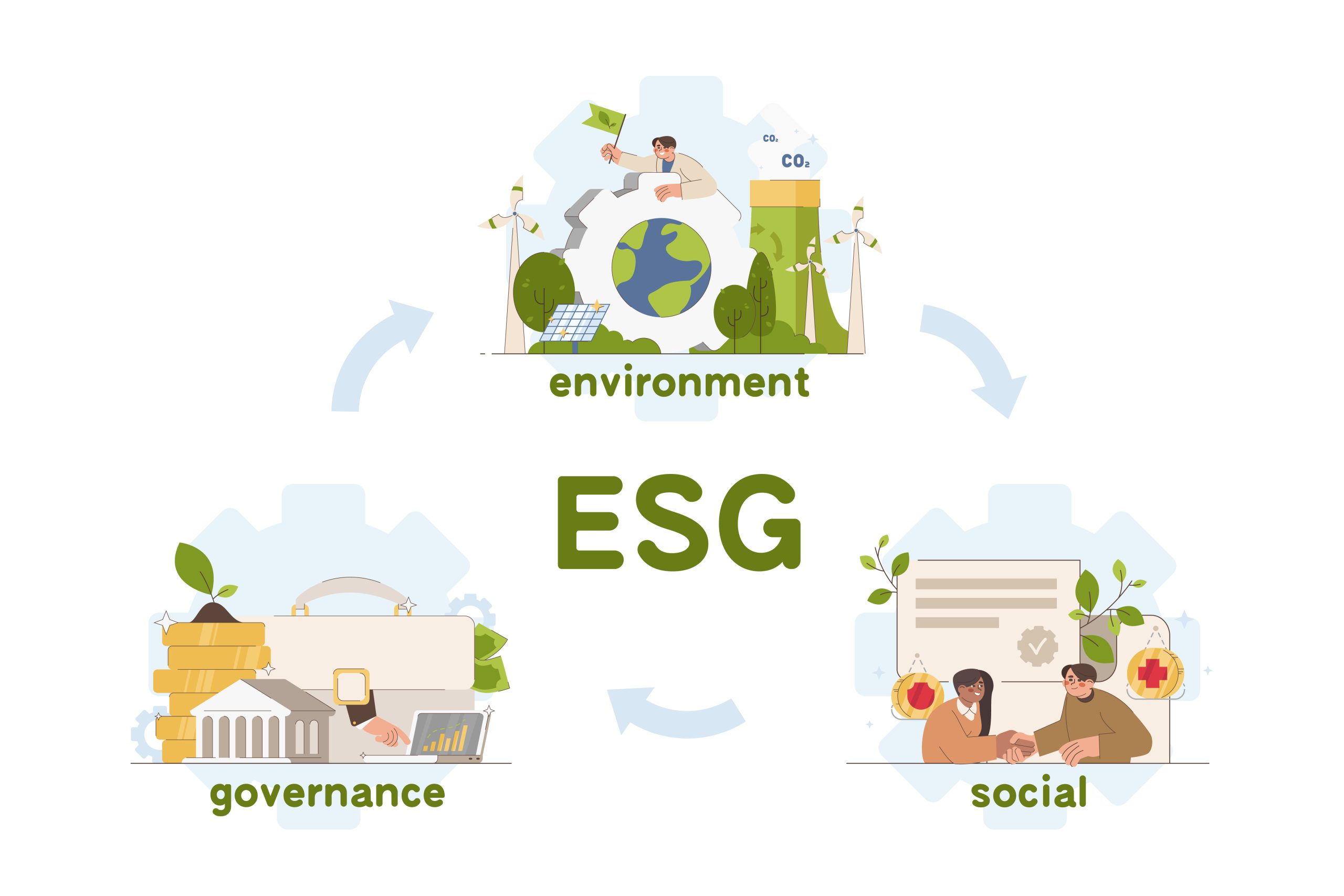
Implementing ESG doesn’t have to be an abstract or overwhelming process. For a construction firm, it’s about integrating clear, actionable practices into your daily operations and project lifecycle. The table below outlines practical steps across the three pillars of ESG.
| ESG Pillar | What It Means for Your Construction Firm | Practical Actions to Get Started |
|---|---|---|
| Environmental (E) | Minimizing the ecological impact of your projects and operations. | Track and reduce: Implement basic site waste management and recycling protocols. Choose smarter: Source certified, low-carbon materials where feasible and promote energy-efficient designs. Protect resources: Enforce siltation control and water management plans on-site. |
| Social (S) | Operating ethically, safely, and as a positive force for your workers and community. | Invest in people: Provide certified safety training and invest in upskilling programs for your workforce. Engage communities: Hold structured community liaison meetings for large projects and prioritize local hiring. Ensure well-being: Guarantee fair wages, safe working conditions, and zero tolerance for harassment. |
| Governance (G) | Running your business with integrity, transparency, and accountability. | Lead with ethics: Establish a clear anti-corruption policy and ensure transparent, competitive bidding processes. Manage risks: Implement robust project risk assessments and financial controls. Report openly: Start documenting your ESG efforts and performance for clients and stakeholders. |
The Tangible Benefits: More Than Just a Certificate
Building a strong ESG framework delivers real, bottom-line advantages that go beyond tender documents:
- Risk Mitigation: Proactive environmental management avoids fines and project delays. Strong safety protocols reduce costly accidents and downtime. Good governance shields your reputation.
- Operational Efficiency: Reducing material waste saves money. Investing in skilled labour improves productivity and reduces rework. Efficient site management lowers fuel and energy costs.
- Talent Attraction & Retention: A modern, ethical, and safe company attracts better talent. Showing commitment to employee development fosters loyalty in an industry facing skills gaps.

The Way Forward
Starting your ESG journey might begin with a single step: formalizing your site safety program, initiating a waste audit, or drafting a community engagement policy for your next project. The goal isn’t perfection from day one, but demonstrable progress and commitment.
In 2026, the most successful Kenyan construction firms will be those that recognize ESG not as a cost, but as an investment—in their projects, their people, their reputation, and their long-term license to operate in a market that increasingly values responsibility alongside results.
Ready to build your competitive edge on a foundation of strong ESG practices? Let’s discuss how to translate these principles into a concrete plan for your next project.
To further explore how specific trends are changing the industry, you might consider:
The real-world application of smart materials and green building technologies in local projects, moving from concept to common practice.
How modular and prefabricated construction techniques are being adopted in Kenya to address speed, cost, and quality challenges.