The Compound That Feels Right
In today’s article we’re gonna have to remember an estate or a gated community we once visited that just felt… different. The kids were outside playing, neighbours were chatting by a shaded bench, and there was a quiet, almost unnoticed sense of order. No one was yelling about parked cars, and the security guard wasn’t hiding in his booth. Now, think of another one. The one with the beautifully paved driveways that are always empty, where you hear dogs bark but never children laugh, and where the only communal space is a forgotten, sun-scorched patch of lawn.
What makes the first place thrive and the second feel sterile? It’s often not the size of the houses or the cost of the amenities. It’s something subtler. It’s about design that understands people.
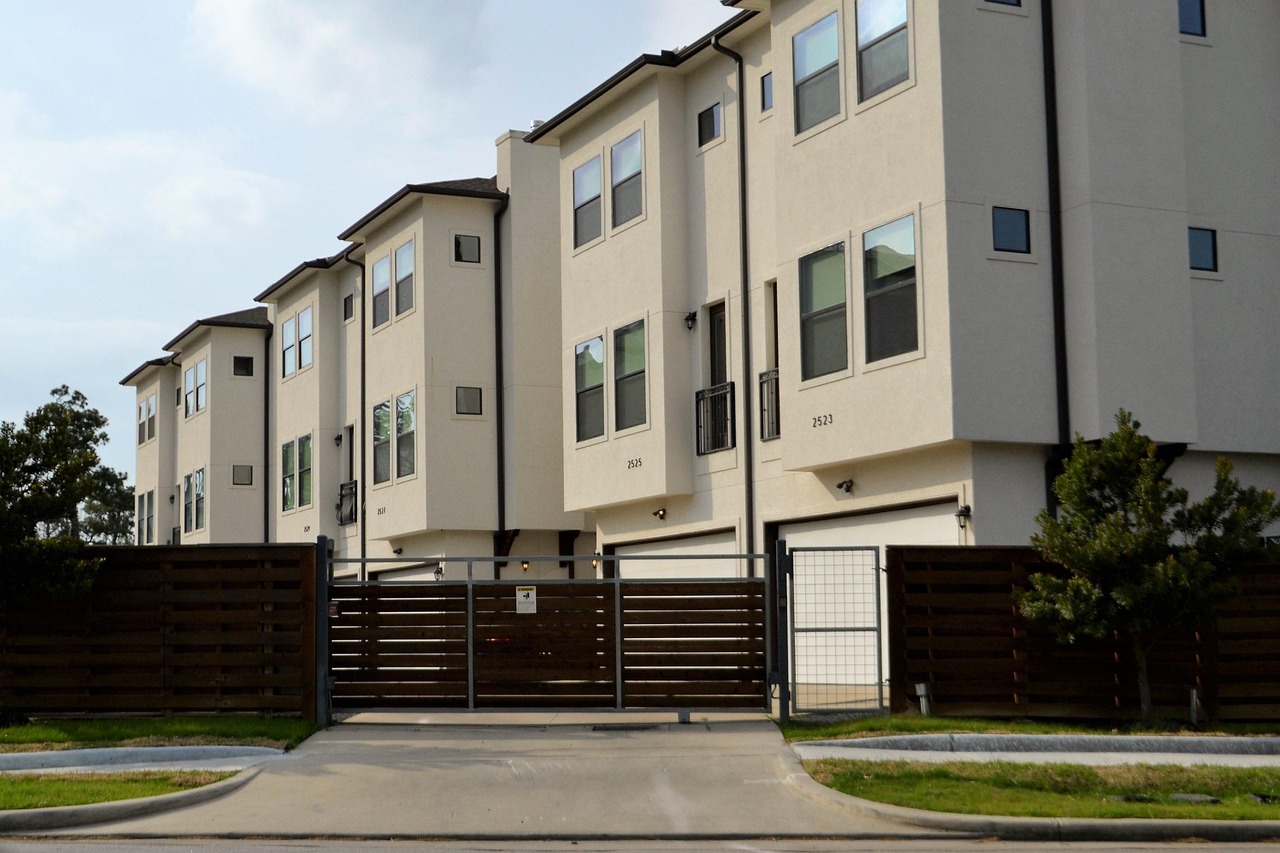
For years, we’ve built Kenyan homes and estates with rules: signs that say “Don’t Park Here,” fences that shout “Keep Out,” and gates that close off entire communities. We try to enforce good behaviour with warnings and restrictions. But what if our buildings and landscapes could gently guide behaviour instead? What if we could design spaces that make the better choice—the safer, more social, more harmonious choice—also the easiest and most natural one to make?
This is where architecture meets behavioural economics. It’s the simple, powerful idea that our environment shapes our decisions in predictable ways. By understanding these psychological “nudges,” we can design homes and compounds that don’t just house people, but help them build a better community, almost without thinking about it.
The Hidden Script of Our Spaces
Behavioural economics shows us that humans are not perfectly rational. We rely on mental shortcuts and are heavily influenced by our surroundings. Our brains are constantly reading our environment for cues on how to act. Every building, path, and public space writes a hidden script for the people who use it.
For example, a wide, welcoming paved path leading from the main gate to a vibrant central garden with seating invites people to walk through it and linger. A narrow, dark service road behind the houses suggests it’s only for bins and deliveries. One design fosters chance encounters; the other reinforces isolation. Neither has a sign, but both give clear instructions.
This principle moves us from being mere builders to being choice architects. We’re not just designing structures; we’re thoughtfully organizing the context in which people make daily decisions about security, community, and living well.
The Toolkit of the “Choice Architect”
So, how do we translate these ideas into brick, mortar, and landscaping for a Kenyan home or estate? Here are a few powerful applications:
1. The “Eyes on the Street” Verandah & The Welcoming Walkway
Jane Jacobs, the famous urbanist, championed the idea of “eyes on the street” as natural surveillance. We can design for this. Instead of blank compound walls facing the street, we can incorporate raised verandahs, Juliet balconies, or front sitting areas that slightly overlook the access road. When residents naturally use these spaces to take in the evening air or read the paper, they passively monitor the street. It’s not snooping; it’s a by-product of good design that makes the entire lane safer.
Similarly, the journey from the gate to the front door matters. A straight, featureless driveway says “drive in, close your gate, disappear.” But a gently curving walkway, lined with native flowering shrubs and leading past a shared post box area or a children’s play nook, slows people down. It creates moments where residents might see each other, exchange a nod, and build the first threads of recognition that are the foundation of a neighbourhood watch.

2. The “Default” Gathering Spot
One of the strongest findings in behavioural science is the power of defaults—we tend to stick with the pre-set option. Applied to design, this means creating a community space that is so attractive and easy to use, it becomes the default choice for relaxation.
Think beyond the mandatory “communal area.” Instead of a vast, empty lawn, create a series of smaller, defined “rooms” under existing trees: a circle of benches around a fire pit for evenings, a well-lit gazebo with plug points for someone working outside, a paved area with a football goal painted on a wall. By furnishing the space for specific, common activities, you make it easier for people to say, “Let’s go to the fire pit,” rather than, “Should we try to organize something on that big field?” You design for the default activity, and social connection follows.

3. The Security “Nudge”
Security in Kenya is paramount, but its design often creates fear and separation. A behavioural approach uses subtle cues to encourage vigilance without building a fortress.
- Lighting as a Guide: Instead of just putting bright floodlights on walls, use pathway lighting to naturally guide night-time movement along safe, visible routes. Light creates paths of safe travel.
- The “Ownership” Principle: People protect what they feel is theirs. Designing small, semi-private front gardens or entry courtyards for individual units within an estate gives each household a personal territory to care for and observe. This sense of ownership extends their watchful eye just beyond their front door.
- Clarity Over Barriers: A maze of identical, unmarked access roads is confusing for residents and visitors alike, which breeds insecurity. Clear, simple signage and distinct landscaping at junctions don’t just look nice; they reduce confusion and make unusual activity (like someone looking lost) more noticeable.

Building for the Kenyan Spirit of “Harambee”
Ultimately, this approach aligns beautifully with the Kenyan spirit of Harambee—pulling together. It recognises that a successful home isn’t just a private castle; it’s part of an ecosystem. By using design to reduce anonymity, increase casual contact, and make cooperative choices easier, we build more than houses. We build the scaffolding for community.
We move away from relying solely on rules and penalties, and start creating environments where being a good neighbour, a vigilant citizen, and a connected friend is simply the path of least resistance. It’s a quieter, smarter form of professionalism—one that builds not just with concrete, but with a deep understanding of the human heart and mind.
Ready to design a space that brings out the best in its community? Let’s talk about building with insight.
Lanny Builders Limited. Designing for How People Live.